


Woman Pays $4,600 for a Car on Facebook Marketplace After Test-Driving It. Two Days Later, the Transmission Dies and the Scammers Vanish
She did everything right but still lost.
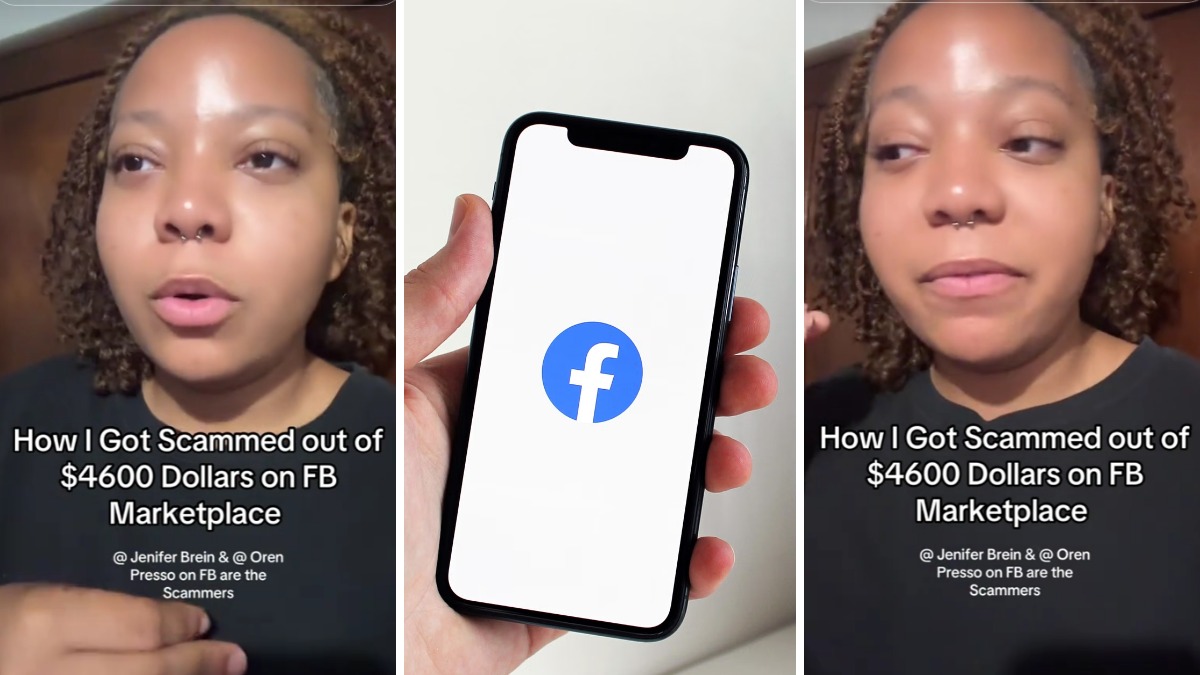
A 20-year-old woman just lost $4,600 after buying a used car on Facebook Marketplace that broke down two days later, and the scammers disappeared without a trace. Saniyah, @saniyahyolanda on TikTok, posted a raw, emotional video detailing how she was tricked into purchasing a 2018 Nissan Sentra that seemed completely legit – until the transmission failed and the sellers vanished.
Saniyah’s video has struck a nerve with thousands of viewers. In her clip, she explains how she did everything right – researching the car, test-driving it, and even taking it to two different mechanics for inspections – only to end up with a broken-down vehicle and no way to contact the sellers. The car passed every check, but the scammers had allegedly used a temporary fix, like truck oil, to mask the transmission issues just long enough to close the deal.
The worst part? The sellers’ Facebook page, which initially looked real, was wiped clean. The phone number turned out to be a Google Voice account, and their address was likely fake. Saniyah is now stuck with repair costs, registration fees, and insurance payments for a car she can’t even drive. She’s understandably frustrated, especially since she’s a young buyer navigating a tough market where used cars are in high demand and scammers are getting smarter.
Saniyah’s experience isn’t an isolated incident
With economic pressures pushing more people toward online marketplaces like Facebook for affordable used cars, fraudsters are exploiting the system with fake profiles, staged test drives, and temporary fixes to hide mechanical problems. Her story is a wake-up call for anyone shopping for a car online, especially first-time buyers who might not know the red flags to watch for.
In her video, Saniyah walks through the entire process, from spotting the listing to realizing she’d been scammed. She first saw the 2018 Nissan Sentra on Facebook Marketplace and reached out to the sellers, who appeared to be a couple. The listing looked legitimate, with real photos and a seemingly active Facebook profile. When she arrived to see the car in person, however, two men greeted her instead of the woman she’d been messaging.
The car seemed fine during the test drive, and even her mechanic gave it the green light after a thorough inspection. She also took it to AutoZone for a diagnostic scan, which didn’t flag any major issues. Confident in her due diligence, she bought the car and drove it home.
Everything was smooth until two days later, when the car started jerking and making strange noises during acceleration. At first, she thought it was a brake issue, but after replacing the brakes, the problem persisted. A second mechanic confirmed the worst: the transmission was failing.
That’s when Saniyah realized she’d been scammed
The sellers had likely used a temporary fix, like truck oil, to make the transmission run smoothly just long enough to pass inspections and the test drive. By the time the oil wore off, the damage was done, and the scammers were long gone. Saniyah’s video is a call to action for buyers to be extra vigilant. She admits she feels dumb for falling for the scam, even though she did everything she could to avoid it.
The reality is, scammers are getting better at what they do, and platforms like Facebook Marketplace aren’t doing enough to protect users. Her story has resonated with thousands of people who’ve left comments sharing their own experiences with online car scams. Some praised her for speaking out, while others warned that deals that seem too good to be true – like a 2018 Nissan Sentra for $4,600 – usually are.
One commenter wrote, “I bought a good car off Marketplace. Sorry this happened to you,” while another added, “2018 Nissan for $4600 sounds tooo good to be true tho.” Another shared a similar horror story: “My Fren got a car for 5k and it broke down days after and 4k to fix lmao on fb.” The responses highlight just how common these scams are, especially for young buyers who are already stretched thin by rising costs.
Saniyah’s video ends with a plea for advice. She’s not sure whether to pursue legal action, try to recoup her losses, or just cut her losses and move on. She’s also considering a Part 2 to her video, where she might dive deeper into the details of the scam and how others can avoid falling victim.
If you’re shopping for a used car online, use Saniyah’s story as a lesson
First, always meet sellers in person and verify their identity. Don’t just trust a Facebook profile or a phone number. Second, take the car to a trusted mechanic for a pre-purchase inspection, even if it seems fine during the test drive. Third, be wary of deals that seem too good to be true, especially if the seller is pressuring you to act fast. And finally, if something feels off, like a sudden change in who you’re dealing with, trust your gut and walk away.
The used car market is tough enough without having to worry about scammers. But as Saniyah’s story shows, it’s a risk that’s all too real. Her video is a powerful reminder that in the age of online marketplaces, buyers need to be more cautious than ever.
(Featured images: Saniyah @saniyahyolanda on TikTok and Anton on Pexels)
Have a tip we should know? [email protected]
Follow The Mary Sue:
