


Petting Zoo Nightmare: Rabid Baby Goats Expose Over 200 People in North Carolina
More than 200 people were recommended rabies treatment after potentially being exposed to infected baby goats from a traveling petting zoo.
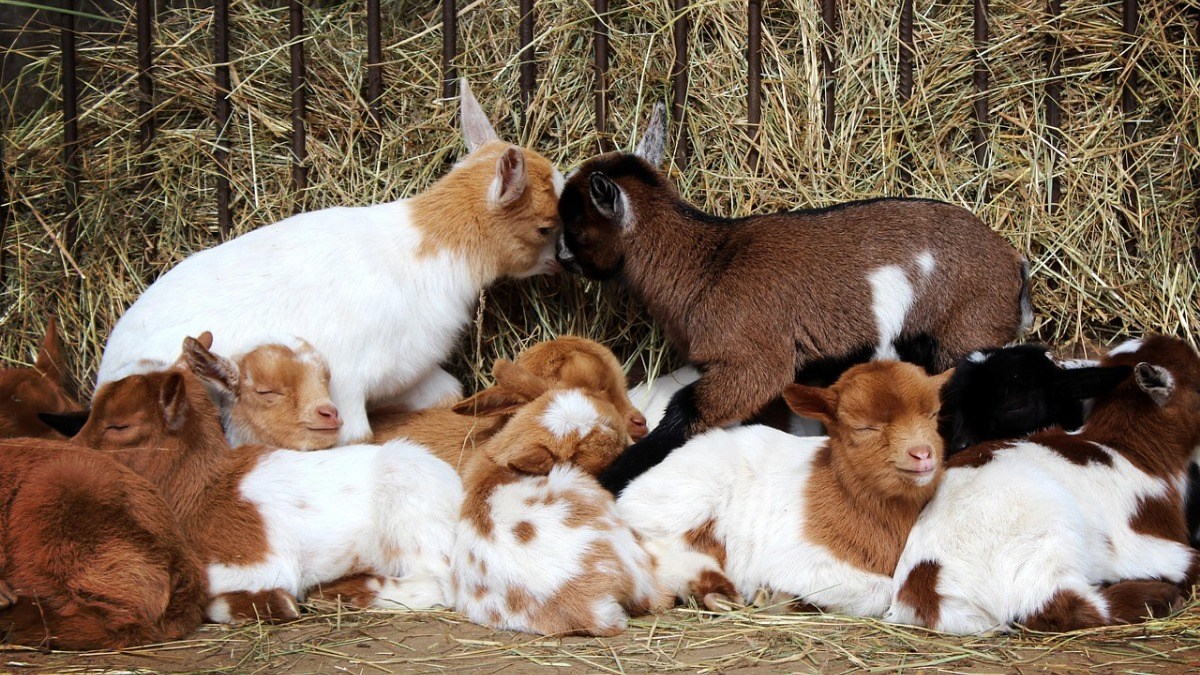
More than 200 people in North Carolina may have been exposed to rabies after interacting with baby goats from a traveling petting zoo. Health officials have now recommended rabies post-exposure treatment for 213 people connected to the animals, turning what should have been an adorable encounter into quite the petting zoo nightmare.
According to Queen City News, the North Carolina Department of Health and Human Services reported that local health departments had conducted 284 exposure risk assessments related to Farm Adventures petting zoo as of September 2. The assessments involve people potentially exposed during the mobile zoo’s events between July 28 and August 23.
The alarming situation emerged after officials reported multiple rabies cases among the petting zoo’s baby goats. Queen City News reported that Farm Adventures said the outbreak began after a rabid fox broke through a fence containing the animals. Unfortunately, cuteness can be dangerous too.
A Rabid Fox Apparently Started the Nightmare
Because Farm Adventures operates as a mobile petting zoo, the potentially infected goats didn’t remain in one location. The business traveled to public and private events across North Carolina, creating possible exposures in multiple parts of the state.
Health officials stressed that rabies transmission from livestock carries a lower risk than being bitten by an infected wild animal. Lower risk, however, doesn’t mean zero risk, as people can potentially encounter the virus through saliva from an infected animal.
That becomes particularly concerning in a petting zoo, where touching the animals is quite literally the point. An afternoon spent petting baby goats probably isn’t an activity most people expect to end with a call from the health department.
Over 200 People Were Recommended Rabies Treatment
NCDHHS said rabies post-exposure prophylaxis, commonly known as PEP, had been recommended for 213 people connected to the petting zoo’s events. Other potentially exposed people have also been evaluated by health care providers and hospitals.
The state is working with local health departments and health care systems to ensure treatment remains available for anyone who needs it. Officials said North Carolina has an adequate supply of PEP, which is at least one reassuring development in a story involving the words “rabid baby goats.”
Rabies and baby goats aren’t exactly two things anyone expects to find in the same sentence. Yet the incident is an uncomfortable reminder that even livestock can potentially transmit the virus after exposure to an infected animal.
The good news is that state officials are identifying potential exposures and directing affected people toward treatment. Still, getting to pet an adorable baby animal probably loses some of its charm when the souvenir is a rabies risk assessment.
Have a tip we should know? [email protected]
Follow The Mary Sue:
