


Only 4 states require 5 weekly job searches to collect unemployment. A new Labor Department proposal would make that the national minimum
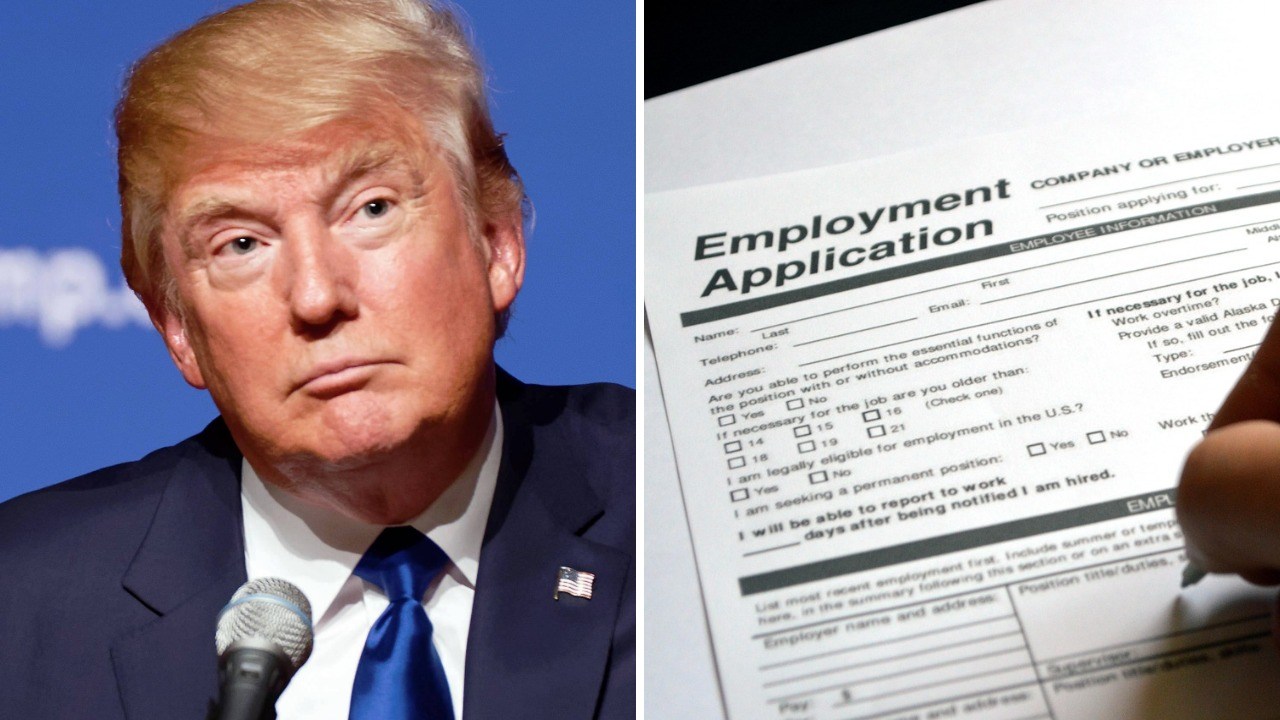
State job search rules for unemployment benefits currently vary widely across the U.S. The Trump administration has proposed a national minimum requiring people applying for or collecting unemployment benefits to complete at least five work searches every week, according to CBS. While only four states currently mandate five searches, many others require just two or three.
Some states even ask for only one search activity to keep unemployment benefits. If finalized, the rule would cover most claimants who lose jobs, from corporate cuts like Kroger layoffs to abrupt shutdowns. One such closure reportedly laid off a group of Starbucks baristas an hour after they cleaned out their store.
The Department of Labor said a national standard would create consistent eligibility requirements for unemployment benefits nationwide. The change would “improve program integrity and strengthen labor market attachment,” the agency said. It also argued that current inconsistencies can confuse people looking for work, as unclear expectations make it harder for eligible claimants to meet the requirements.
One worker advocate thinks the rule could hurt claimants and strain state budgets
Michele Evermore, senior director of economic security and worker transitions at the National Employment Law Project, criticized the proposal. She argued that this threshold could be difficult for unemployed people to reach every week. She also said it would likely be expensive for states to implement.
The proposed change is “devastating to claimants who may not have five search options for every week they are unemployed,” Evermore said in a statement. She added that it would likely cost states hundreds of thousands of dollars, as nearly all of them would need to change their claimant intake forms and the technology behind them.
She also said many states would have to rewrite their laws and that the rule could disadvantage applicants who already struggle to navigate unemployment benefits systems. Employers “want candidates enthusiastic about their job opportunities, not ticking boxes for the work search form,” Evermore added.
The Labor Department acknowledged possible temporary costs as states and applicants adjust to the new system. However, the agency said the change is necessary to apply eligibility rules consistently nationwide. It also said that differences in how states explain the rules can lead people to perform activities that do not count toward their search goals.
Under the new plan, states could not limit qualifying work searches to employer contacts alone. Beyond reaching out to a potential employer, people could register with a job placement agency or contact a union for a job referral. States could also count job fairs, career center services, or training.
The proposal also floats a points-based system that states could use to handle different local labor market conditions, though the department is still weighing whether to keep it. States would assign each activity one to three points, and claimants would need five points per week so that no single task could satisfy the requirement alone.
This all traces back to a law Congress passed in 2012
Federal law has required claimants to be able to work, available to work, and actively seeking work since Congress passed the Middle Class Tax Relief and Job Creation Act in 2012, according to the proposal. However, the law never set a number, and each state wrote its own standard.
The department argues the stricter standard is needed as work search errors remain one of the leading causes of improper unemployment payments. It says the program’s improper payment rate is still above the 10 percent target set by federal law.
The draft carves out exceptions for people in approved training or registered apprenticeships and for those with a firm return-to-work date within eight weeks. Idaho raised its requirement from two searches to five in 2024, and its labor department has since reported more claimants denied unemployment benefits for not meeting work-search rules.
Have a tip we should know? [email protected]
Follow The Mary Sue:
