


New Jersey shop owner declines pizza from next door, then the pizzeria allegedly calls police over one star reviews: ‘That has nothing to do with me’
Co-owner Sonia Scotto says 'you should not be making up fake reviews' after viewers targeted the wrong Nick's Pizza.
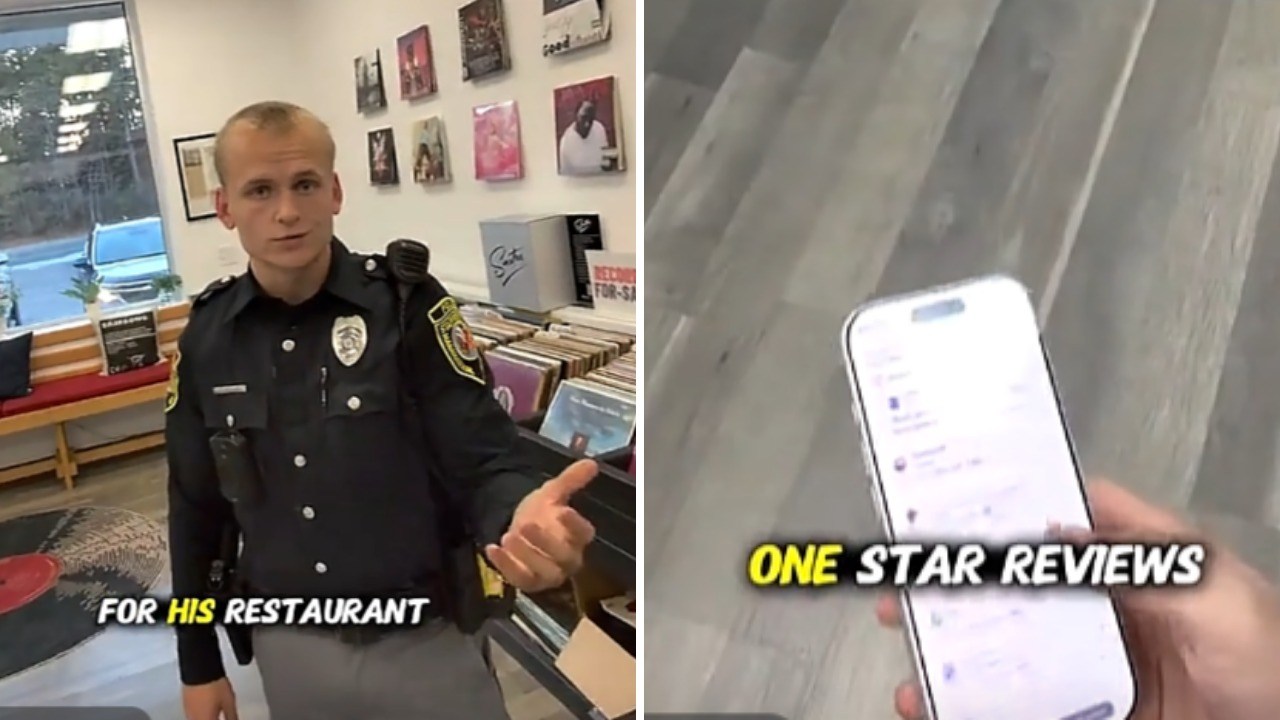
A man who runs a repair shop in New Jersey says the pizzeria beside his business called police on him over a string of one-star ratings. Leone Mastrolia, who owns Digital Doctor Repairs and posts as @digitaldoctorrepairs, recorded the officer’s visit and posted it in a TikTok video, according to Daily Mail.
The feud appears to have started with an earlier video where a customer wanted to treat Mastrolia to lunch. He turned down pizza from the shop next door, citing a running disagreement tied to the landlord as the reason he did not want food from there. Soon after, one-star reviews started showing up on the pizzeria’s listing. Its owner reportedly believed Mastrolia was urging his audience to join in, a claim Mastrolia denies.
In the video, an officer spoke with Mastrolia outside the shop after the pizzeria owner asked for charges to be filed against him. Mastrolia stayed calm and told the officer, “If people on the internet want to leave him reviews, that has nothing to do with me.”
Mastrolia says the pizzeria owner is the one harassing him
He then accused the pizzeria owner of harassing him, claiming the owner had blocked his car and kept calling police. Mastrolia also urged the officer to look at police call records to see how often his neighbor had reported him. The visit seemed to conclude with no action taken. Once the clip spread, viewers went looking for the restaurant, and some posted harsh reviews without ever eating there. A Michigan restaurant hit with reviews from non-guests faced a similar wave after a viral TikTok, but here many people landed on the wrong business.
That business was Nick’s Pizza and Pasta in Cinnaminson, which shares a name with the Nick’s Pizza in Manahawkin where the feud played out. Owners Nick Lubrano and his wife, Sonia Scotto, note that the two restaurants are not connected.
Lubrano says more than 60 bad reviews hit his restaurant within one day, accusing it of everything from bad food to mice and cockroaches. Workers also fielded hostile calls and threats, with one caller allegedly threatening to kill the couple’s family. Suspicious orders also arrived from other states, including one for eight large pizzas with pepperoni placed from a California phone number.
Sam Maestas, who watched from Los Angeles, caught the error and contacted the couple after seeing commenters go after the wrong restaurant. Mastrolia says he did not push anyone to target either restaurant and was horrified to see the harm done in Cinnaminson.
After learning of the mix-up, he made the trip there to apologize in person and gave the owners $1,000 to hand out as free pizza. Mastrolia then recorded a clip promoting the restaurant and told his audience not to review places they have never visited. The owner of a Florida upholstery shop hit by review bombing made a similar request to her own followers.
Scotto adds, “If you’ve never been to a small business, you should not be making up fake reviews because of something that happened to somebody else.” Lubrano says a dip in online ratings, even a brief one, can push a restaurant lower in search results. All details of the police visit are based on Mastrolia’s account in the video, which presents only his version of events.
Google’s content policy for Maps requires reviews to reflect a real experience at the place being reviewed, and it removes fake engagement. Reviews that do not accurately represent the location fall under the same ban. The rules also exclude personal rants and broader commentary unrelated to a visit. Posts meant to harass people or businesses are banned as well, including specific threats of harm against individuals.
Federal rules also apply, though their main bans are aimed at businesses. The Federal Trade Commission’s rule on consumer reviews bars businesses from creating or selling fake reviews, including ones posted in the name of someone who never dealt with the company. The rule also stops businesses from tying incentives to a positive or negative review. Groundless legal threats, physical threats and intimidation used to silence a negative review are banned too.
The agency can seek civil penalties against businesses that knowingly break the rule.
Have a tip we should know? [email protected]
Follow The Mary Sue:
