


Naomi Watts was told Hollywood careers ended at 40. Then she looked at the Emmys
Naomi Watts was told to hurry before 40. Then she looked around at the women taking home Emmys in their 50s, 60s and 70s.
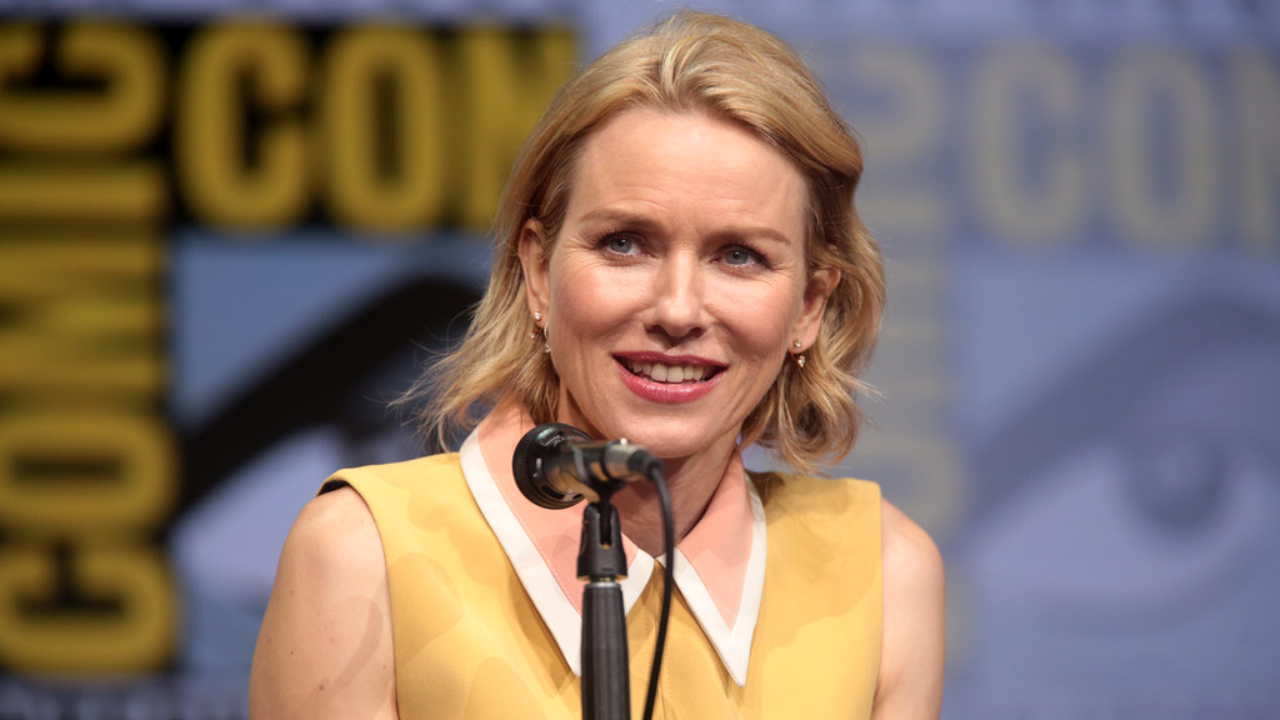
Naomi Watts was once warned that she was running out of time. When she was trying to establish herself in Hollywood, the actor was told to “get my skates on” because careers for women supposedly ended at 40. Nearly two decades after reaching that age, Watts is still working, still taking on challenging roles, and wondering if Hollywood finally got the memo.
Speaking at the San Sebastián Film Festival on Sept. 19, Watts pointed to this year’s Emmys as evidence that things have changed. The ceremony featured several women over 50 in major acting categories, including Jean Smart, Rhea Seehorn, Allison Janney, and Sally Field, with each taking home an award.
Watts has a pretty good reason to notice the difference. She was 31 when David Lynch cast her in Mulholland Drive, her breakthrough after roughly a decade of struggling to find substantial film work. Now in her late 50s, Watts is at San Sebastián to receive the Donostia Award and promote The Housewife, a role she described as unlike anything she has played before.
The good roles didn’t stop at 40
The Emmys didn’t just show that actresses over 50 are still getting major roles. They showed that those roles are far from one-dimensional.
The Television Academy’s official Emmy winners report shows just how many women over 50 were still taking home major acting awards this year. Smart, 75, won another Emmy for Hacks, where she plays comedian Deborah Vance, an ambitious woman trying to keep control of her career while navigating an industry that has its own ideas about when she should step aside. Rhea Seehorn, 54, won Outstanding Lead Actress in a Drama Series for Pluribus, while Allison Janney, 66, won Outstanding Supporting Actress in a Drama Series for The Diplomat. Sally Field, 79, won Outstanding Lead Actress in a Limited or Anthology Series or Movie for Remarkably Bright Creatures.
That’s part of the shift Watts is talking about. Women over 50 are getting some of the meatiest roles television has to offer.
Despite this, television’s progress doesn’t quite mean the old Hollywood rules have disappeared everywhere. Sarah Paulson recently offered a very different example when she spoke to Variety about the lack of film offers that followed her acclaimed performance as Marcia Clark in The People v. O.J. Simpson: American Crime Story. Paulson was 41 when the series aired and said she believed her age, gender, and the nature of the role affected the opportunities that followed.
Hollywood’s clock isn’t quite what it used to be
Watts is also at a point in her career where she can take a role that genuinely scares her. In The Housewife, she plays Hermine, a woman with a disturbing past, and said she felt a huge amount of fear taking on the part. She jokingly called it her “villain era,” but also made clear that this character pushed her into territory she hadn’t explored before.
That is a pretty interesting place for an actor to be nearly three decades after Mulholland Drive. Watts has worked with Peter Jackson, David Cronenberg, Clint Eastwood, and Noah Baumbach since then, but she is still looking for roles that feel new rather than settling into a familiar version of herself.
And that may be the bigger change worth noticing. The actresses Watts pointed to at the Emmys aren’t being celebrated for just having long careers. They’re getting to play people who are still allowed to be difficult, ambitious, funny, messy, and surprising.
There are still obvious limits, particularly in film, as Sarah Paulson’s recent comments show. But Watts’ point isn’t that Hollywood has fixed everything. It’s that the idea of an actress aging out of interesting work doesn’t look quite as inevitable as it once did.
Have a tip we should know? [email protected]
Follow The Mary Sue:
