


Maybe We Should Start Buying Movies, Games, and Music Again
Gen Z's renewed interest in CDs, vinyl, DVDs, Blu-rays, and physical video games isn't just nostalgia. It's a response to the growing problem of digital media ownership.
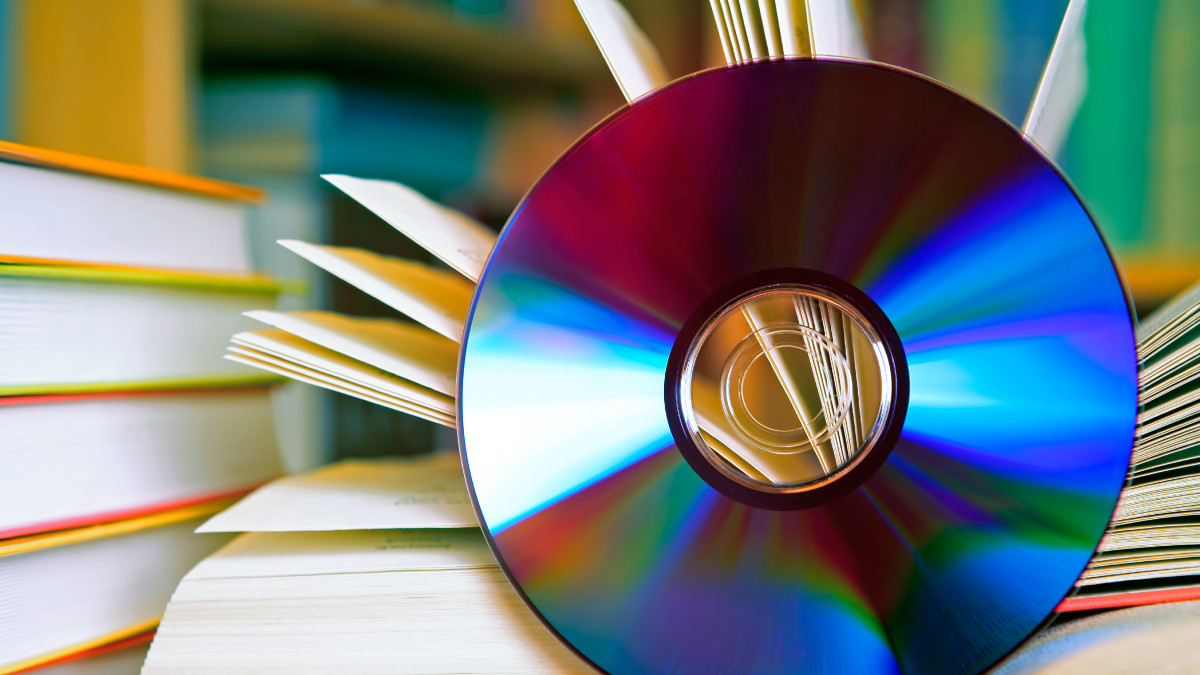
Before there was streaming, you had to grab a movie, open the case, and insert it into a VCR, DVD player, or some other ancient technology. I remember the good ol’ days of a trip to Blockbuster to pick out a scary movie, then grab a pizza and have a movie night at a sleepover. There was something so special about being the sibling chosen to select the movie for the night. The same can be said for the early 2000s and having a massive book full of CDs to flip through on those long drives. Those times are just a distant memory. Now you can stream movies from your phone; you can stream music from your phone or watch.
So, what happens when you go to listen to your favorite album or watch a movie, and you can’t find it online? Maybe the streaming service that carried it no longer exists. Maybe the digital movie you paid for is suddenly unavailable because a company changed its licensing agreement. This is the uncomfortable reality we’ve spent years training ourselves not to think about: We’ve confused access with ownership.
And now, as Gen Z rediscovers CDs, vinyl, DVDs, Blu-rays, and physical video games, the resurgence of physical media is often dismissed as nostalgia. But it’s difficult to be nostalgic for something you never grew up with. For many younger consumers, the physical media revival is a response to the increasingly temporary nature of the digital world.
Streaming Made Entertainment Convenient, Not Permanent
Streaming is great. It’s convenient, relatively affordable, and has made it easier than ever to discover movies, TV shows, music, and games. The problem is that convenience has a price, and I’m not just talking about the monthly subscription fee. When you subscribe to a streaming service, you’re paying for access, not ownership. The catalog can change whenever a company decides it should. A movie can disappear overnight, and a service can shut down entirely.
Even digital purchases can be more complicated than the word “buy” suggests. Depending on the platform and the product, what you’re purchasing may be a license tied to an account, device, or ecosystem rather than a physical object you can keep independent of the company that sold it. That distinction matters. There’s a difference between paying to watch something, buying a digital license to access something, and owning a physical copy that sits on your shelf. Physical media isn’t necessarily more convenient, but it can be more permanent.
Games Are Making the Problem Impossible to Ignore
Video games may be where the cracks in digital ownership are most obvious. Games can be delisted. Digital storefronts can close. Servers can go offline. Older hardware becomes obsolete. Online-only games can become completely unplayable when the companies operating them decide they’re no longer profitable. And more recently, Sony announced a complete shutdown of physical disk production.
We should keep in mind that physical games aren’t immune to problems. A disc may require a massive download or day-one patch. Some games need an internet connection or online servers to function. In some cases, the physical disc is little more than a key that tells your console where to download the actual game. So no, physical media isn’t a magical solution to digital preservation. But it is something.
Gen Z Doesn’t Need to Be Nostalgic
The resurgence of physical media among Gen Z is easy to explain away as another retro trend. But that explanation misses something important. You can’t be nostalgic for a childhood you didn’t have. For younger consumers, CDs, DVDs, vinyl, and physical games are discoveries rather than artifacts. They exist outside the endless scroll of algorithmically generated recommendations and subscription fatigue. Physical media can also feel more personal. You can hold it in your hands and build a collection based on what you love rather than what an algorithm decides you might like next. And perhaps most importantly, physical media can function as a cultural archive.
If a movie disappears from every streaming service, the person with the Blu-ray still has it. If an album is removed from a platform, the person with the CD still has the music. If a game is delisted, the physical copy may still exist. In a digital ecosystem built around impermanence, that’s powerful.
Buying Physical Media Is a Tiny Act of Resistance
I’m not arguing that everyone should cancel Netflix, throw their smartphones into the ocean, and start living like it’s 1997 (though that may not be a bad idea at this point). Streaming is useful. Digital downloads are convenient. Spotify, Steam, and other platforms have made entertainment more accessible to millions of people. But maybe we shouldn’t put everything we love in the hands of companies whose primary responsibility is to their bottom line.
You can stream the movie, but if it’s one you watch every year, maybe buy the Blu-ray. You can listen to the album on Spotify, but if it means something to you, maybe buy the CD or vinyl. Don’t necessarily reject technology; just avoid becoming completely dependent on it. Buying physical media can be a small way of saying: This is mine.
Maybe Ownership Is Worth Paying For
The future doesn’t have to be physical versus digital. It can be both. Stream what you want. Subscribe when it’s convenient. Use digital platforms to discover new artists, movies, shows, and games. But when something becomes genuinely important to you, maybe consider owning it. Because technology has made entertainment easier to access than ever. It has also made our relationship with that entertainment increasingly dependent on corporations, licensing agreements, internet connections, storefronts, and algorithms.
When a streaming service removes a movie, a digital storefront shuts down, or an algorithm decides something is no longer worth carrying, the person with the physical copy doesn’t have to ask permission to watch, listen, or play.
This is an opinion piece. The views expressed in this article are those of just the author.
Follow The Mary Sue:
