Mamdani releases 84,000 more records on Sept. 11 attacks after city portal gets 11 million visits: ‘Our work is not finished’
Long road to accountability.
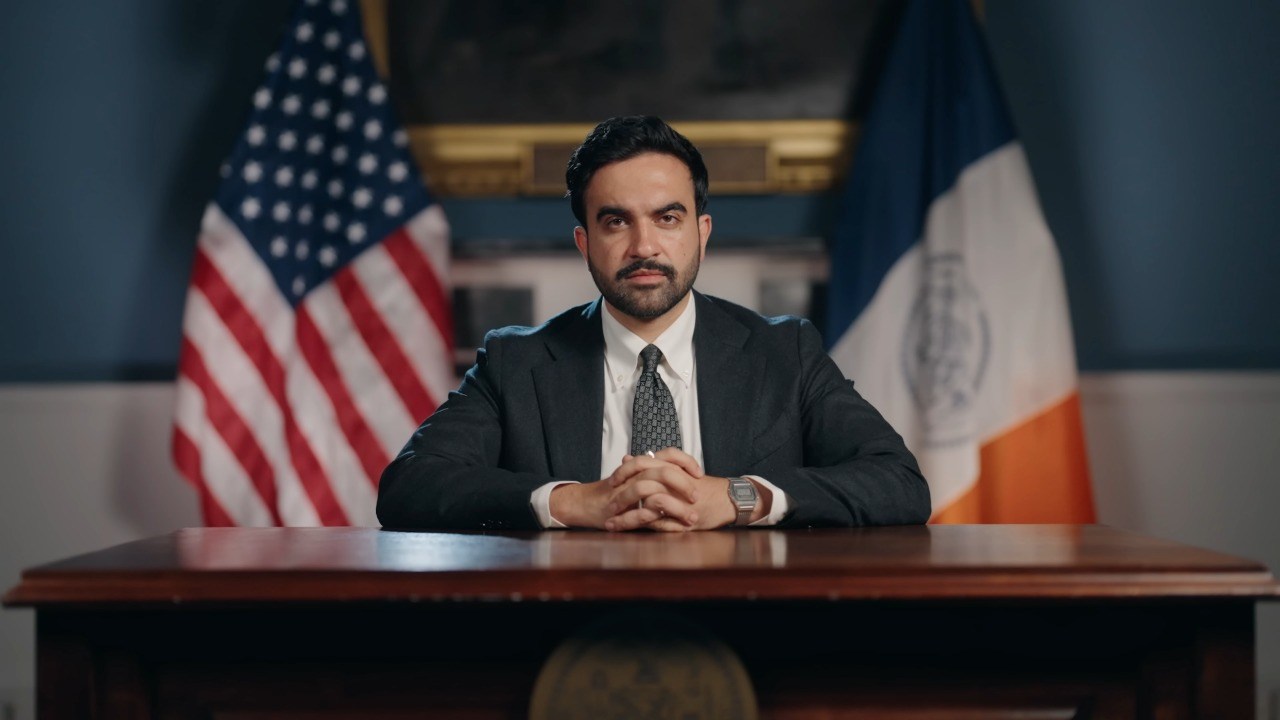
New York City Mayor Zohran Mamdani has released another 84,000 records related to the September 11, 2001, attacks. This update brings the total number of pages available in the city public portal to more than 440,000. According to The Hill, the release marks the third installment of documents made public following a legal agreement between the city and 9/11 Health Watch.
The online archive, launched in September around the 25th anniversary of the attacks, has surpassed 11 million unique visits. Mayor Mamdani emphasized that his administration is committed to full transparency regarding the government response to the terror attacks. In a press release issued Sunday, November 22, 2026, he stated, “After the horrific terror attacks of September 11th and the devastating health consequences that followed, New Yorkers across the five boroughs demanded transparency from their government – but were met with silence.”
He noted, “We launched the City’s first public portal to make these records accessible to the people who have waited decades for answers.” While the portal has already seen massive engagement, the mayor made it clear that the project is not finished. He stated, “More than 11 million visits and 440,000 pages later, our work is not finished. We will continue releasing records until survivors, first responders and families have the information and clarity they deserve.”
The documents provide a look at the city response in the aftermath of the attacks
This is specifically regarding air quality, debris, and potential toxins in Lower Manhattan. These materials have been a focal point for advocates like Benjamin Chevat, the executive director of 9/11 Health Watch. Chevat has previously expressed that the files show “a disturbing record” from city, state, and federal officials. He alleged that these officials did not properly address hazards, noting they may have been “slowing down a return to homes, schools and offices, or by better cleanup efforts in those places.”
Beyond the historical significance, these records serve a very practical purpose for those still struggling with health issues today. First responders and survivors are actively searching the archive for proof of their presence at or near Ground Zero. Newsweek reports that this documentation can be vital for those applying to the World Trade Center Health Program or the September 11th Victim Compensation Fund.
Eligibility for these federal programs often depends on where an individual was, what they were doing, and how long they spent at specific sites. While the city archive does not guarantee that a specific document will satisfy every federal requirement, it provides a new resource for those trying to build their cases. Chevat noted that his group has already identified two individuals whose cases could be supported by documents found in the archive.
The effort to organize and publish these files is being led by the New York City Law Department
New York City Corporation Counsel Steven Banks described the project as a way to dismantle “decades of municipal bureaucracy and delay.” He stated that this release marks “another step toward fulfilling the City’s commitment to providing New Yorkers with an unvarnished window into the City’s post-9/11 response.”
The release also addresses a long-standing question about what city officials knew regarding the toxic air conditions. Manhattan Borough President Brad Hoylman-Sigal highlighted this. “Every new release helps answer a question that first responders, survivors and their families have asked for 25 years: When did City Hall learn that the air at Ground Zero could make people sick?” he said. He thanked the mayor and the corporation counsel for their roles in bringing these records to light.
City Council Speaker Julie Menin also weighed in on the importance of the ongoing project. She pointed out that the tragedy of September 11 did not end on the day of the attacks and noted that tens of thousands of New Yorkers have suffered from serious illnesses linked to the conditions in Lower Manhattan. “While nothing can undo that suffering or bring back those we have lost, we owe survivors, first responders, and their families the truth about the dangers they faced,” she said.
The administration has allocated $34 million in the fiscal 2027 budget to create and maintain the portal. This ensures that the public will have continued access to the material as more batches are released. The city confirmed that additional records will be made available in the coming months. Those looking to access the documents can visit the portal at nyc.gov/sept11docs.
Have a tip we should know? [email protected]
Follow The Mary Sue: