


Indiana woman takes apart LG washer to clean it. She can’t believe what she finds: ‘That’s what I’ve been washing my clothes in?’
Having an at-home washer can be a lifesaver when it comes to big spills or gigantic loads of laundry. Most homeowners purchase a washer at some point in their life. Renters, too, might end up grabbing one at Home Depot or Lowe’s.
But what happens when a washer starts to develop an inexplicable smell despite looking clean?
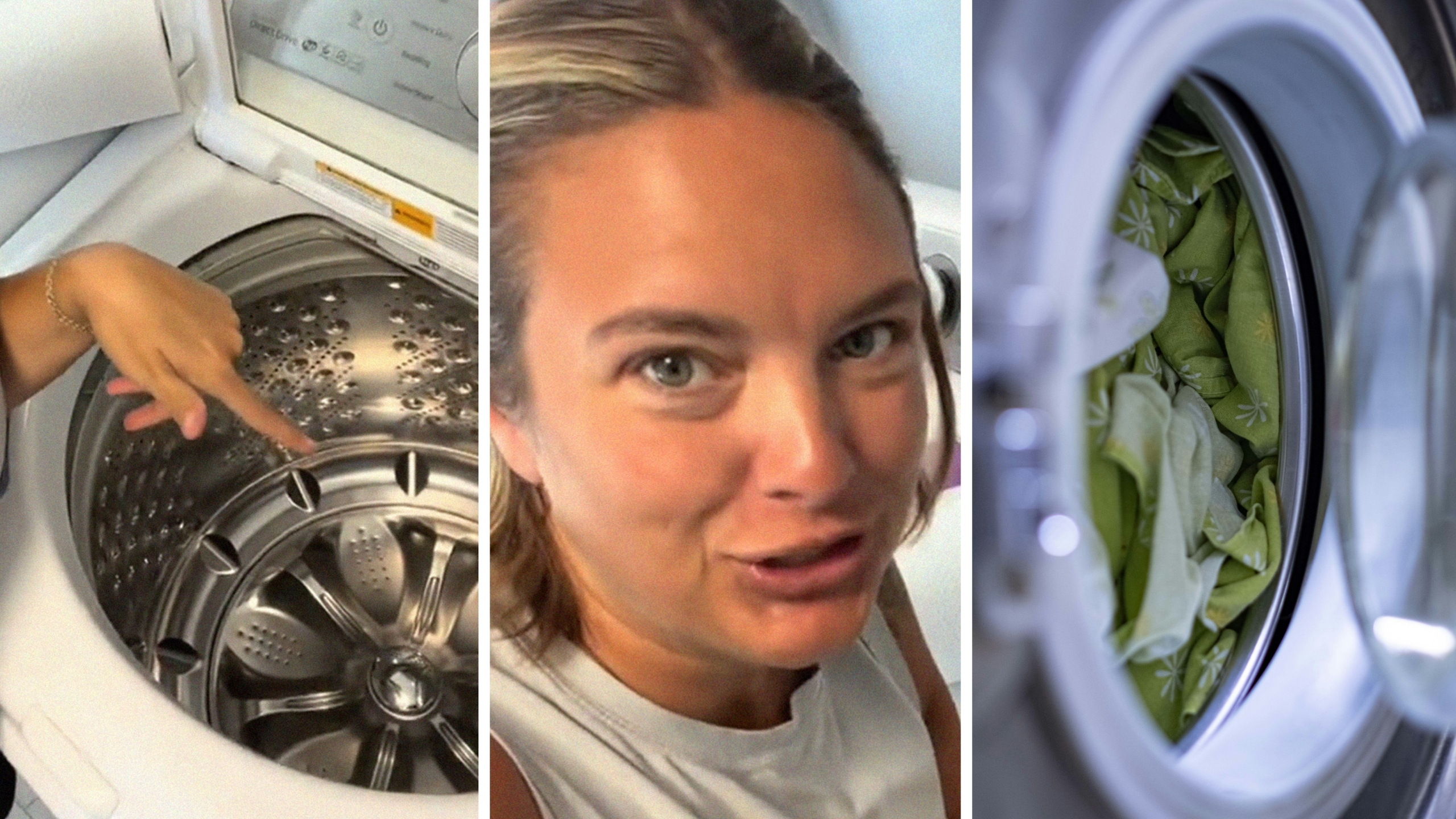
In a video with more than 2.2 million views, Jessie (@jben14) told her audience how she discovered mold inside of her at-home washer. According to her, the clothing she washed inside of her LG washer had a musty smell, even after going through a cycle. So she popped open a “tab” on her LG washer and discovered a buildup of mold and mildew.
The content creator said that there was “black gunk” underneath a socket inside her machine. So should the average homeowner take apart their washer and put it back together every once in a while to prevent mold?
How did she clean her LG washer?
Jessie noticed something suspicious about her washer. So she started looking underneath tabs and sockets for any buildup. She discovered “black gunk” that she cleaned using a vinegar and water solution.
“ Our washer and dryer is an LG, so there are little tabs. Just gotta pop that tab off,” Jessie said, while explaining how she found the mold.
She added that she had already cleaned some of the pieces she examined in her video, and that she had gone through multiple cleaning cycles to try and root out the core issue.
The content creator eventually removed a larger part of her washer, which revealed a pattern of large, brown staining.
“ Shut the [expletive] up. The smell,” Jessie said. “That’s what I’ve been washing my clothes in? I literally have ran three cycles, ah, three cycles with baking soda and vinegar and a couple cycles with these washing machine cleaner thingies, and this is what it looks like? Holy [expletive].”
What did commenters say?
Jessie’s video made some commenters wonder whether their washers had gunk and mold developing in hard-to-reach areas.
“I’ve had mine for 5 years… never once have I opened the bottom and now idk if I just want to throw it away cause I’m scared to look,” one viewer said.
Another commenter said, “This is why as a renter I get the chills thinking about what’s living in my unit’s washer from the 90s.”
Then a third added, “There needs to be a lawsuit against these companies for their faulty design. I’m betting it’s on purpose so we buy new ones.”
Do washing machines develop mold easily?
Despite most manufacturers making washing machines using metals, there’s a chance they can develop mold. Damp spaces are ripe environments for mold growth, especially when combined with fabrics. Leaving laundry in the washer for too long or even closing a washer’s door can lead to eventual buildup.
LG itself notes, “The inside of a washing machine is prone to moisture and slime. If you keep the door of the washing machine closed, the moisture from washing is unable to dry, and mold may form inside the door gasket.”
The appliance manufacturer says to clean its washers with diluted oxygen bleach and warm water. After cleaning the washer, LG recommends using a towel to completely dry the inside of the washing machine before any additional use.
@jben14 I am DISGUSTED!!!!! we used to never use softener only detergent.. but now since our clothes, sometimes smell, we use the scent beads and softener. After seeing this, we are going to use detergent and vinegar only!!!!! #washer #lgwasher #washingmachine #cleaning #cleanwashermachine ♬ original sound – Jessie |ᴹᴬᴹᴬ
What about hard-to-reach areas?
But LG doesn’t mention taking apart the washing machine to clean certain parts inside of it.
MoldGuide says that “washing machine mold often hides in gasket folds, drain lines, and the space between the inner and outer drum. That hidden growth is what makes it tricky to address.”
Most homeowners may be completely unaware that their washing machine has mold growth. MoldGuide adds that “front-loading washers have generated thousands of complaints about mold and odor.” For that reason, the publication recommends that individuals use smell to determine whether they may have a washing machine issue rather than sight.
ServiceMaster Restore says customers should clean their appliances regularly according to manufacturer instructions. “On front-loading washing machines, regularly check and clean any buildup of moisture, debris or grime around the door’s auto-lock feature and rubber seal,” they add.
In addition, ServiceMaster Restore notes that foul-smelling laundry is an obvious sign of mold development. It can be a sign that there’s a leak inside the washing machine.
The Mary Sue reached out to Jessie via TikTok direct message and LG via email for comment.
Have a tip we should know? [email protected]
Follow The Mary Sue:
