


Researchers Are Not Thrilled About the Auction of ‘Gus,’ a Rare 67-Million-Year-Old T. Rex
Why Science Should Get the Fossils, Not the Uber Rich
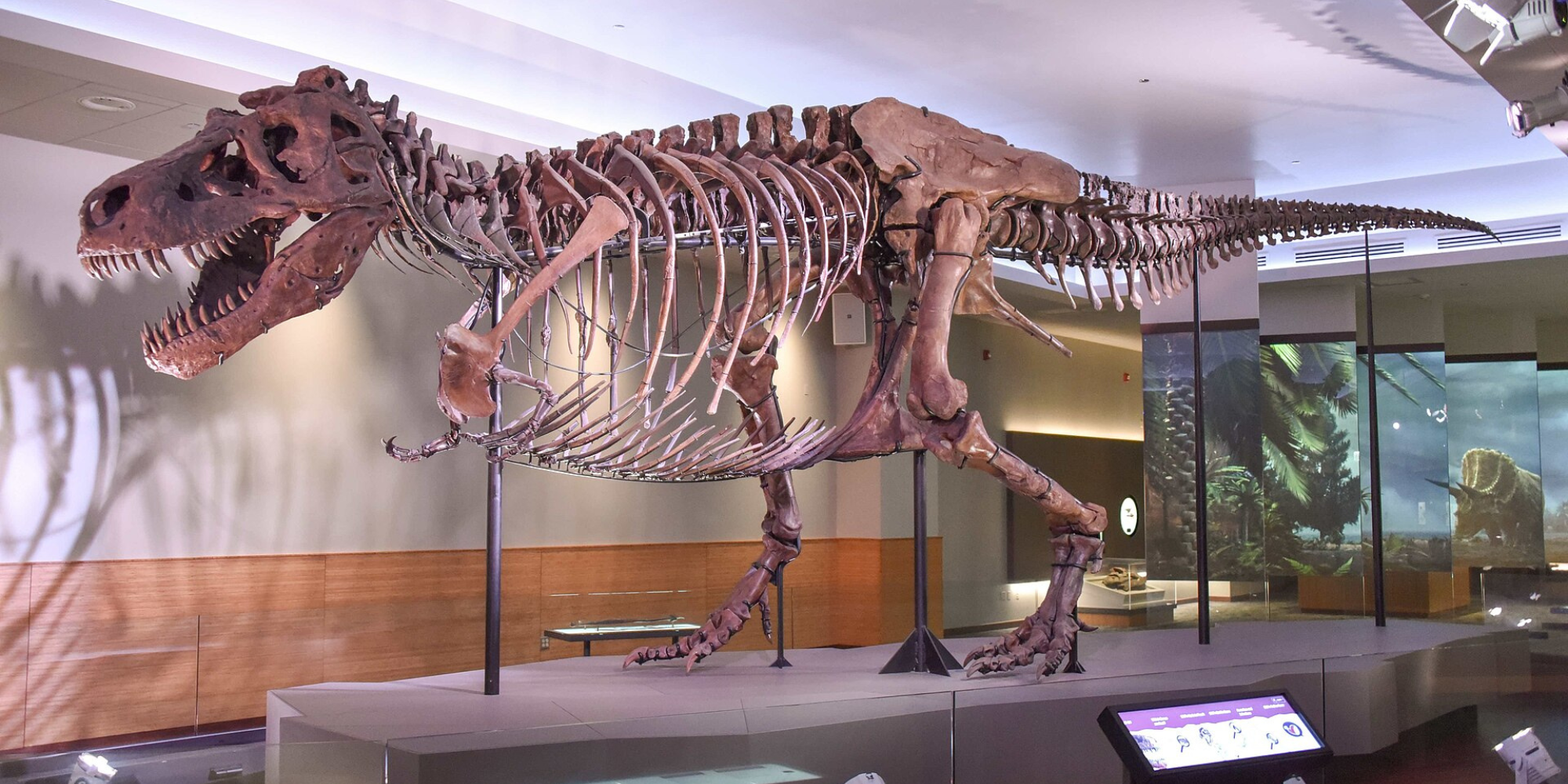
A July 2026 Sotheby’s auction saw a rare T. rex skeleton that goes by the nickname of “Gus” auctioned off to a private bidder for $43 million. Gus is one of the more complete T. rex skeletons around, with Sotheby’s stating it was “approximately 61% complete by bone count.” As a result, the giant fossil is significant to the scientific community, so researchers were not thrilled that it went to a private bidder.
The auction of fossils, dinosaur ones in particular, dates back to at least 1997, when Sotheby’s put another T. rex skeleton up for auction. That skeleton was “Sue,” with an estimated 90% of the bones recovered in bulk, making it the most complete T. rex fossil known. However, Sue went to the Field Museum in Chicago rather than an individual.
These days, the wealthy often outbid museums and the scientific community for dinosaur fossils at auction, which begs the question of just how much of a negative impact this has on the field of science. Some researchers say not only does this practice compromise the safety of these rare specimens, but it also undermines science.
The Ultra-rich vs. The Scientific Community
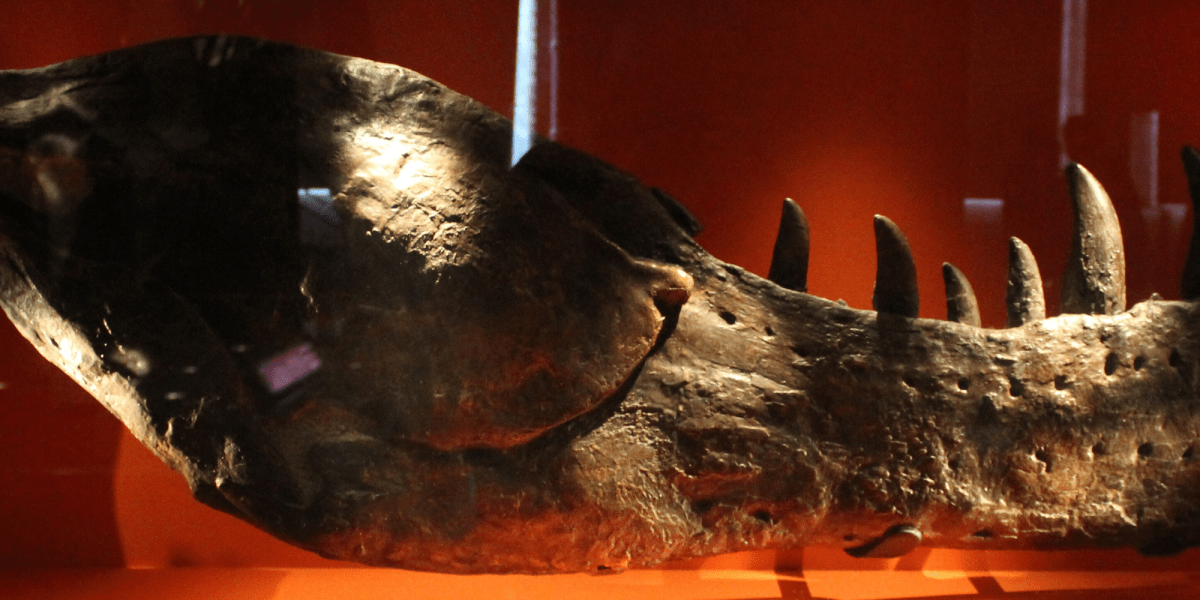
Gus is far from the first T. rex a wealthy individual has acquired. In fact, a T. rex researcher published a study in 2025 in Palaeontologia Electronica that showed that the number of T. rex fossils in private or commercial collections surpassed the number belonging to public museums and trusts. According to their findings at the time, private collections held 71 T. rex fossils, while public collections only had 61.
However, other dinosaur fossils are being bought up by the ultra-rich, too. In 2025, a private buyer purchased the fossils of the only known juvenile Ceratosaurus for $30.5 million. The year before that, billionaire Ken Griffin purchased a Stegosaurus from the auction house for $44.6 million. There’s no possible way for the scientific community to compete with prices this high.
Of course, those auctioning off these fossils claim that these private sales are beneficial to science because they help get the bones properly assessed and protect them from erosion. Researchers don’t agree, though.
Their counter-argument is that every step of the process of a private sale undermines science, as these fossils often aren’t subject to exhaustive documentation of where they are found. This kind of documentation is vital to understanding what sort of ecosystem the dinosaur lived in, how old it is, and more. Additionally, because private collectors tend to mount dinosaur bones as artistic displays, modern techniques for studying the fossils no longer work well.
Why It Matters Who Owns Dinosaur Fossils
The most significant way science suffers from the private purchase of fossils, though, is that once these bones are in the hands of wealthy collectors, they may never reach the scientific community again. When that occurs, the loss of scientific study leaves our knowledge of the past with glaring holes.
As one paleontologist from Macalester College, Kristi Curry Rogers, told Wired, “A scientifically important fossil isn’t just a static object; it’s a permanent source of data that future generations of scientists will study with tools that haven’t even been invented yet—but only if the fossil remains in the public trust.”
(feature image: Wikimedia Commons/Evolutionnumber9 )
Have a tip we should know? [email protected]
Follow The Mary Sue:
