


Justice Department finally admits defeat in bogus probe of Fed Chair Powell, but the real scandal is who’s replacing him
A politically motivated fishing expedition.
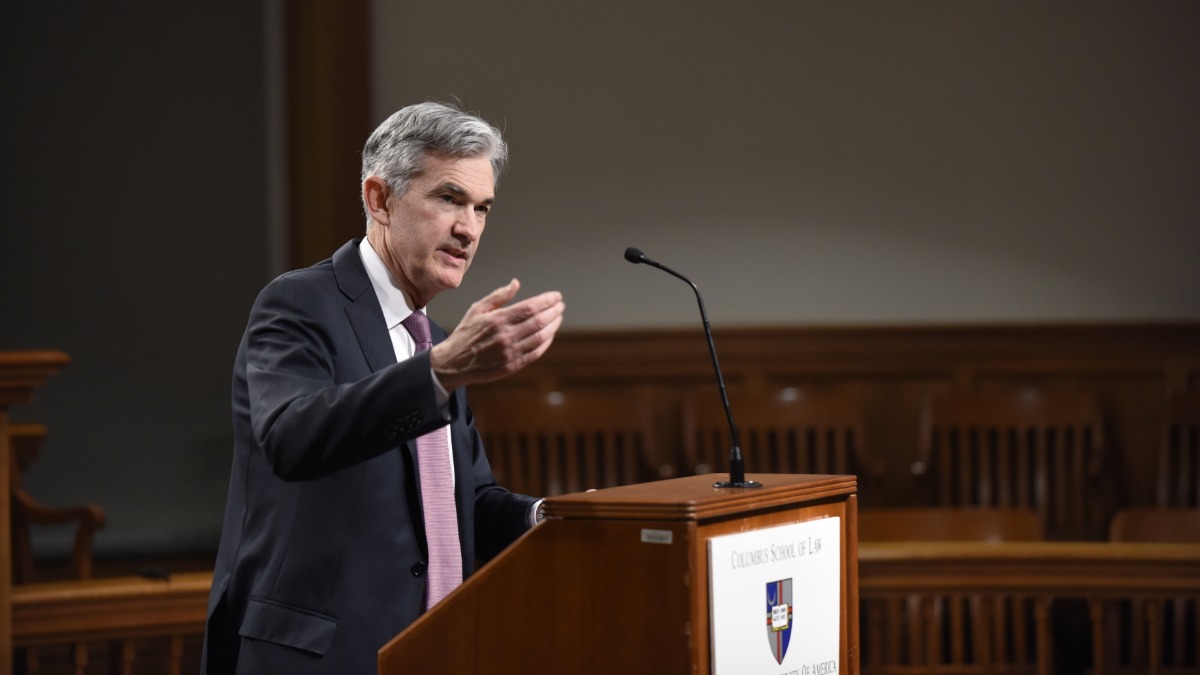
The Department of Justice (DOJ) has officially dropped its criminal probe into Federal Reserve Chair Jerome Powell, a move that paves the way for Kevin Warsh to take over as the next Fed chair. The announcement came on April 24, 2026, when US Attorney for the District of Columbia Jeannine Pirro posted on X that her office was ending the investigation into the Fed’s building renovations, instead handing the matter over to the Fed’s internal watchdog.
According to Al Jazeera, Pirro said she expects a “comprehensive report in short order” and is confident the outcome will resolve the questions that led to the subpoenas in the first place. This decision removes a major hurdle for Warsh’s confirmation, which had been stalled by Senator Thom Tillis, a North Carolina Republican who refused to support Warsh until the investigation was resolved.
With Powell’s term ending May 15, the leadership transition at the world’s most influential central bank could now happen quickly. But the real story isn’t just about Powell’s exit, it’s about who’s stepping in and what that means for the Fed’s independence.
Warsh faced tough questions during a Senate hearing this week
Democrats grilled Warsh over his financial transparency, his shifting stance on interest rates, and whether he’d be too cozy with the White House. Senator Elizabeth Warren didn’t mince words, calling him a potential “sock puppet.” Still, Republicans praised his experience, and if past confirmations are any indication, Warsh could be approved in as little as two weeks. The Senate confirmed Stephen Miran, another Fed nominee, just 13 days after his nomination.
The investigation into Powell had been dragging on for months with little to show for it. Prosecutors struggled to find any evidence of wrongdoing, and a judge even quashed subpoenas issued to the Fed, calling the government’s justification “thin and unsubstantiated.” At a closed-door hearing in March, a prosecutor admitted they had found “essentially zero evidence” of criminal conduct.
But the timing is no coincidence. Trump has been vocal about wanting more control over the Fed, and Warsh’s nomination fits that agenda. At his Senate hearing, Warsh insisted he’d remain independent, saying Trump “never once asked me to commit to any particular interest rate decision.” That didn’t stop the president from making his expectations clear. Just hours before Warsh’s testimony, he said he’d be disappointed if Warsh didn’t cut rates immediately.
This isn’t the first time Trump has threatened to shake up the Fed
He recently said he’d fire Powell from his board seat if he didn’t step down voluntarily by May 15. “If he’s not leaving on time, I’ve held back firing him, I’ve wanted to fire him, but I hate to be controversial,” he said. Legal experts argue the president doesn’t have the authority to fire a Fed chair from their board seat. Skanda Amarnath, executive director, economic policy think tank Employ America, said the threats are “simply not consistent with what the law provides.”
The investigation into Powell was always more about optics than actual wrongdoing. The Fed’s building renovations became a convenient target, with the administration criticizing cost overruns. But when prosecutors couldn’t find any evidence of criminal activity, the case fell apart. The judge called the government’s arguments weak. Even a surprise visit to the Fed’s construction site didn’t help. Prosecutors were turned away, and a defense lawyer called the move “not appropriate.”
Powell has been vocal about the investigation’s real purpose: undermining the Fed’s independence. In March, he pushed back, calling the probe a pretext to interfere with monetary policy. That’s a serious concern, especially when Trump has made it clear he wants a Fed that aligns with his views. In December, he said he wouldn’t appoint someone to lead the central bank unless they agreed with him. Warsh’s nomination suggests he’s getting exactly that.
The Fed’s board has seven members, and right now, the president has only appointed three. One of those seats is held by Stephen Miran, whose term has already expired. If Warsh is confirmed, he’d have more influence over monetary policy, potentially making it easier for the administration to push its agenda. That’s a big deal, because the Fed’s independence is one of its most important features. It’s supposed to make decisions based on economic data, not political pressure.
Warsh’s confirmation isn’t guaranteed, but the odds are in his favor
The Senate Banking Committee is set to vote soon, and if history is any guide, he could be confirmed quickly. But the bigger question is what his leadership will mean for the Fed. If he’s seen as too close to the White House, it could erode public trust in the central bank. And with the president already making his expectations clear, it’s hard to imagine Warsh will have an easy time proving his independence.
The DOJ’s decision to drop the probe is a rare retreat for an administration that has aggressively pursued investigations into perceived political opponents. But the real scandal isn’t that the case collapsed; it’s that it was opened in the first place. The Fed’s renovations were never the issue. The issue was control, and now the administration is one step closer to getting it.
(Featured image: Federalreserve)
Have a tip we should know? [email protected]
Follow The Mary Sue:
