


Doctor reportedly made 2 failed attempts at a central line during a Tennessee execution in May, then was asked back for Christa Pike’s
Christa Pike has spoken out after surviving Tennessee’s attempt to execute her, and her lawyers had warned about her health beforehand. The Tennessee Department of Correction picked Dr. Mark Fowler to oversee Christa Pike’s execution even though he was involved in a failed execution attempt just four months earlier, according to People.
This decision comes after a documented struggle during the planned execution of Tony Carruthers in May. Dr. Fowler and a three-person IV team spent over an hour trying to place two IV lines during that procedure. Because the team still had not established the two peripheral IV sites after 30 minutes, Dr. Fowler was brought in to assist.
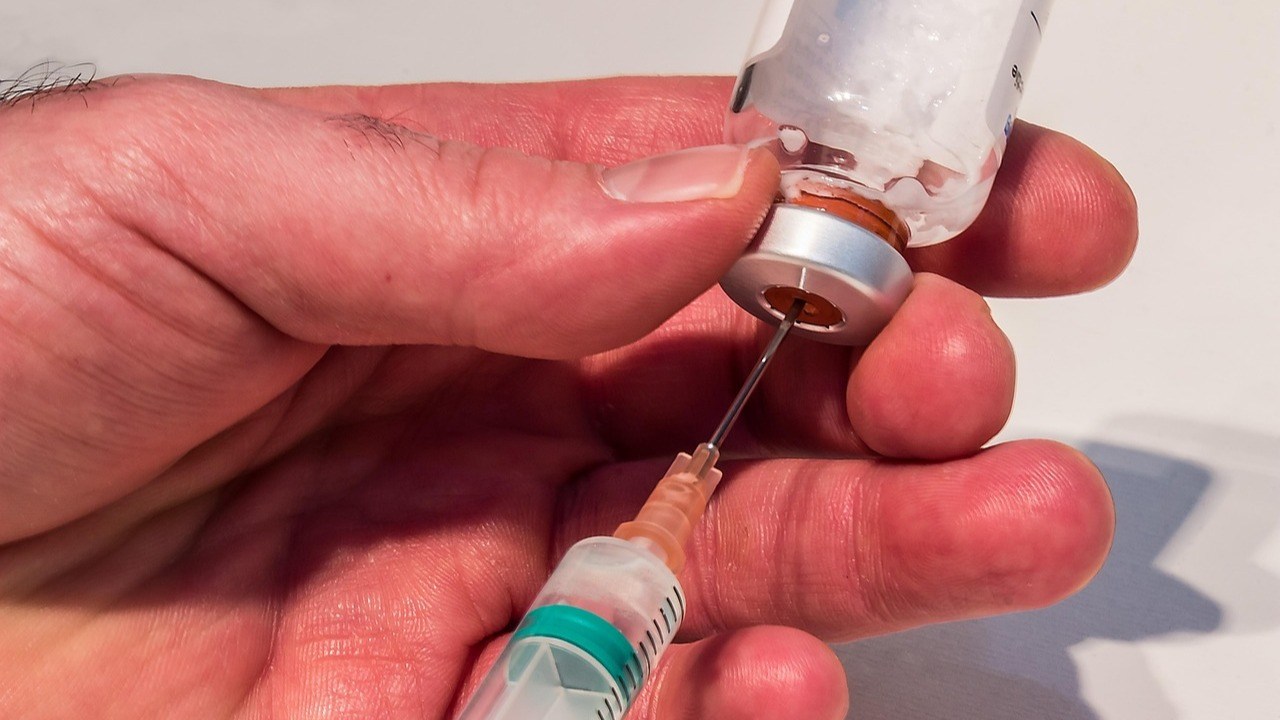
Court documents show Dr. Fowler tried to insert a central line in two locations, but neither attempt worked. Maria DeLiberto, the American Civil Liberties Union attorney who represents Carruthers, said in a declaration that her client was clearly in pain and gutturally groaning. She noted that he was heard saying, “It hurts, it hurts,” before officials called off the execution.
Dr. Fowler said under oath he hadn’t placed a central line since 2013
The department’s Lethal Injection Execution Protocol defines the physician’s role in these procedures. It states that the physician is responsible for determining if the inmate is deceased and establishing a central line if necessary. However, in a 2025 deposition, Dr. Fowler said he did not have hospital privileges or the authority to insert a central IV line at any medical facility.
Dr. Fowler said he last held those privileges in 2013 and had not placed a central line since that time. Gail A. Van Norman, a professor emeritus of anesthesiology and pain medicine at the University of Washington, reviewed his deposition.
Van Norman stated in a declaration that Dr. Fowler lacks the current experience or training needed to obtain or retain central line privileges at many, if not most, major healthcare institutions. She also said the central line method DeLiberto described violates the current standard of care.
Despite the outcome in May, the state moved forward with Dr. Fowler for Christa Pike’s execution. That attempt also failed, as Christa Pike survived two doses of pentobarbital and was taken to a hospital. Dr. Fowler later told New York Magazine that the problem was an improperly placed IV that sent the drug into the surrounding tissue instead of the vein.
Kit Thomas, deputy chief of the Capital Habeas Unit for the Federal Public Defender in the Middle District of Tennessee, said the investigation into the state’s failed executions should have started in May. “Christa Pike’s botched execution happened after state officials ignored our warnings about their flawed protocol,” Thomas said.
Lethal injection has historically gone wrong more often than any other method
Amherst College professor Austin Sarat found that 75 of the 1,054 lethal injections carried out in the United States through 2010 went wrong, per the Death Penalty Information Center. That rate of more than 7% is the highest of any method Sarat studied and more than double the average across all methods.
The American Medical Association’s Code of Medical Ethics bars physicians from participating in executions, and it lists starting intravenous lines for a lethal injection among the prohibited acts. As Tennessee does not name its execution medical staff, Dr. Fowler’s identity only became public when a prison warden said his name after the 2025 execution of Byron Black.
Gov. Bill Lee has paused executions for the rest of 2026 while a third-party review proceeds. However, he has said he suspects Christa Pike’s death sentence will stay the same. Carruthers’ one-year reprieve runs until May 2027.
Have a tip we should know? [email protected]
Follow The Mary Sue:
