


Dispatchers Watched Helplessly as a Bear Scaled a Utility Pole in New Mexico, Triggering a Deadly Series of Events
A tragic turn.
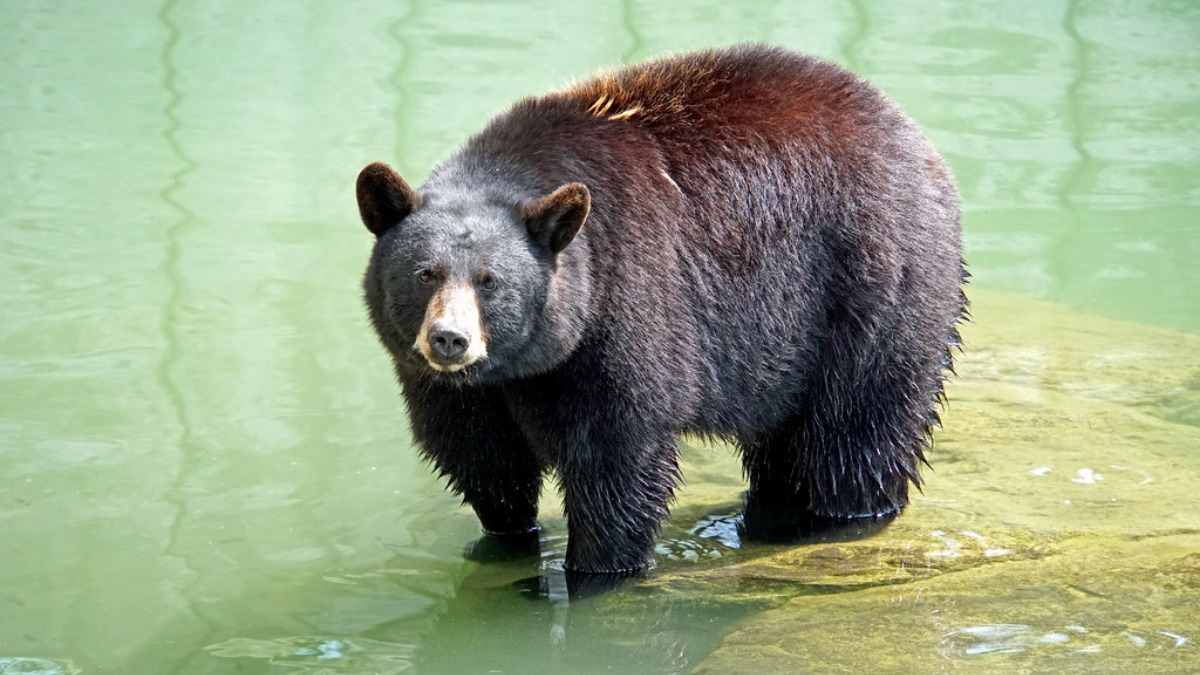
Dispatchers watched helplessly as a bear scaled a utility pole in rural New Mexico this week, leading to a tragic outcome that has left wildlife officials and onlookers frustrated. The bear, captured on video perched precariously on a power line crossarm, died after being electrocuted before rescuers could intervene. The incident highlights the dangers bears face when they venture into human-dominated spaces and the challenges authorities encounter in responding to such situations.
According to Fox News, the video, recorded near Gladstone, New Mexico, shows the bear panting and struggling to maintain its balance high above the ground. Shannon Mullens filmed the scene while traveling on Highway 56. “We really didn’t believe what we saw at first, so we turned around to get another look,” Mullens said. “At first, we thought that the bear was dead, until we got closer to it, and then we realized that he was still alive.”
The footage also includes audio from a 911 call. The dispatcher explains that tranquilizing the bear could have caused it to fall, making rescue efforts even riskier. The U.S. Department of the Interior shared the video, adding a touch of dark humor to the situation. “We appreciate the enthusiasm for American Energy Dominance, but this isn’t what we meant,” the department wrote in its post.
While the comment was lighthearted, the reality of the bear’s fate was anything but
According to reports, the bear was electrocuted before wildlife officials could safely remove it from the pole. The New Mexico Department of Wildlife confirmed the tragic outcome, though they did not immediately respond to requests for further comment.
Wildlife experts say bears often climb utility poles when they’re startled by people, traffic, or dogs, treating the structures like trees as they attempt to escape perceived threats. This behavior, while natural, can have deadly consequences when bears come into contact with live electrical wires.
A similar incident in Arizona in 2021 had a happier ending, with wildlife officials successfully rescuing a bear from a utility pole without injury. That case serves as a rare bright spot in what is often a grim scenario for both bears and the humans trying to help them.
The situation in New Mexico sparked frustration among locals and wildlife advocates
People were particularly outraged over how authorities handled the response. Robin Dawson, who also called 911 to report the bear, shared her experience in a Facebook post, criticizing the lack of action from wildlife officials. “Bear died, he was electrocuted,” Dawson wrote. “I just talked to fish and game out of Raton, the lady was quite rude. Said people wouldn’t quit stopping and taking pictures and the bear was scared.”
Dawson claimed that officials blamed tourists for the bear’s death, arguing that the constant stream of people stopping to take photos stressed the animal out further. She also said dispatchers told her no one was coming to help, even after she called multiple times.
Dawson’s account paints a picture of bureaucratic failure, with agencies allegedly failing to coordinate a response or control traffic near the scene. “They should have responded to keep people away,” she wrote. “It was the people taking pics. They failed to respond, so they are blaming the tourists!”
Her frustration is palpable, especially when she describes calling back after waiting more than 30 minutes and being told, “No one was coming.” The lack of traffic control, she argued, was the responsibility of wildlife officials and other agencies, not the bystanders who stopped to document the unusual sight.
The incident raises questions about wildlife agencies’ responses to emergencies
Bears, particularly young or inexperienced ones, are known to climb utility poles when they feel threatened, but the infrastructure isn’t designed to accommodate them safely. Electrocution is a common and often fatal outcome.
According to the New York Post, the New Mexico Department of Fish and Wildlife said that despite the best efforts of local authorities, the bear couldn’t be saved. The power company was reportedly on its way to shut off the electricity to the pole, but it didn’t do so soon enough.
What makes this case heartbreaking is the sense that it could have been prevented. Dawson’s account suggests that a faster, more coordinated response – including traffic control to keep onlookers at a safe distance – might have given the bear a better chance.
Instead, the animal was left stranded, stressed, and ultimately killed by the very structure it climbed to escape danger. The viral video of the bear’s final moments has left many viewers feeling helpless, mirroring the frustration of the dispatchers who took the 911 calls but couldn’t do more to help.
The incident is a stark reminder of the challenges bears face
This is more so as human development continues to encroach on their natural habitats. Bears are intelligent and adaptable animals, but they’re not equipped to navigate the dangers of power lines, roads, and urban environments. When they venture into these spaces, the results are often tragic, both for the animals and the people who try to intervene.
As the video continues to circulate online, it’s likely to spark more conversations about how communities and wildlife agencies can better handle these kinds of emergencies. For now, the bear’s death serves as a somber example of what can go wrong when humans and wildlife collide in unexpected ways.
The Department of the Interior’s joke about “American Energy Dominance” may have been meant to lighten the mood, but the reality is far more serious. Bears and other wildlife don’t understand the dangers of utility poles, and it’s up to humans to find ways to protect them.
(Featured image: archer10 Dennis)
Have a tip we should know? [email protected]
Follow The Mary Sue:
