


Daniel Hart on How ‘The Vampire Lestat’ Song “The Loneliness” Speaks to the Vampire Experience [EXCLUSIVE]
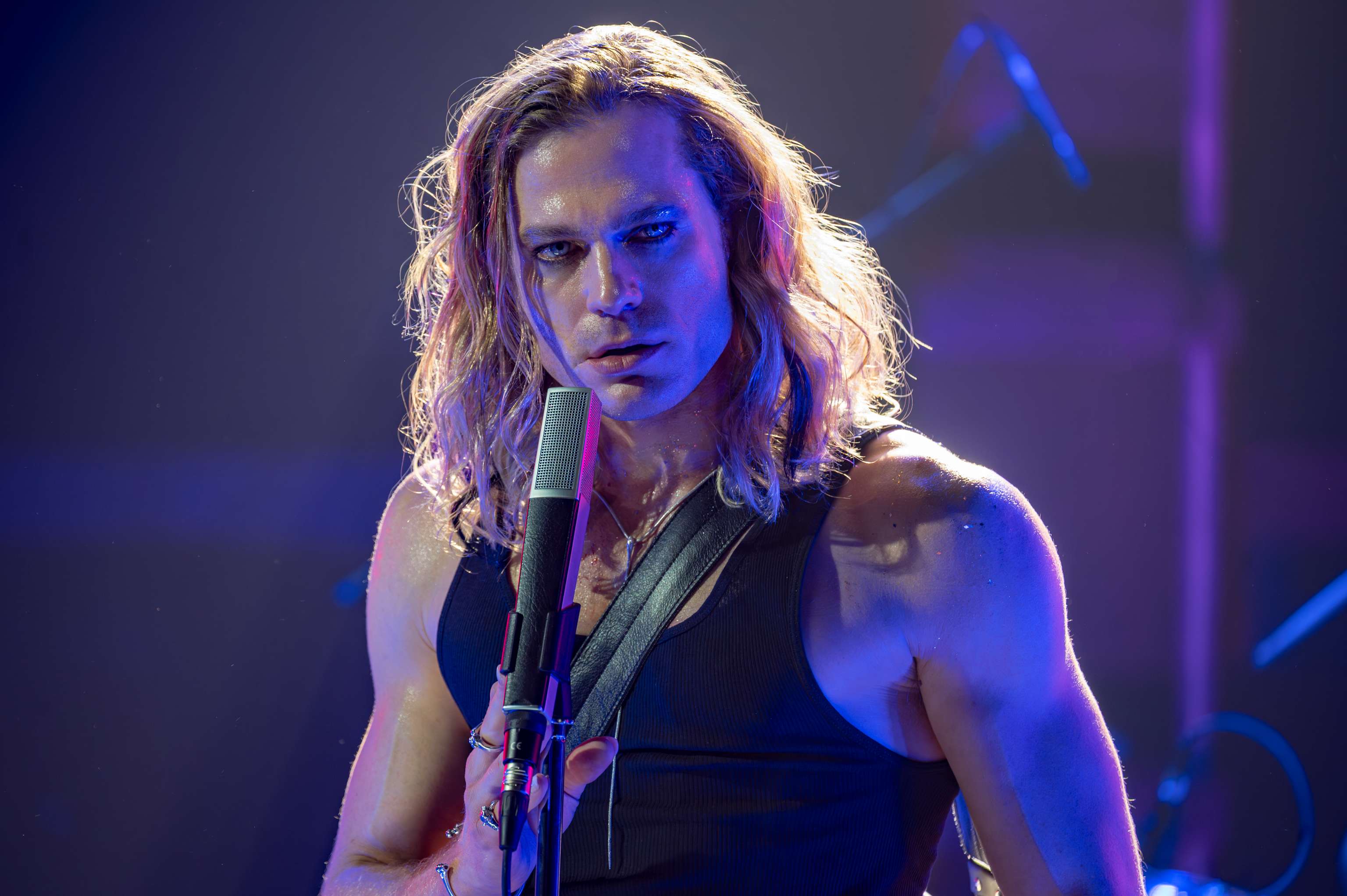
The Vampire Lestat just debuted its best song yet. In an interview with The Mary Sue, composer and writer Daniel Hart spoke about the inspiration for “The Loneliness” and why it’s the most fun to play.
In the show’s third episode, “Toronto,” Lestat (Sam Reid) sits for a rockumentary interview with Daniel Molloy (Eric Bogosian). He begins by giving his traumatic turning by the vampire Magnus (Damien Adkins) an avoidant music video makeover. Then he does get vulnerable about the life, death, rebirth, and re-death of his first love Nicolas de Lenfant (Joseph Potter). Doing so leads to a vampiric panic attack. Thankfully, at the end of the episode, Lestat finds some temporary peace via power ballad.
“I think it surprised all of us in the writer’s room that the songs, in a lot of cases, came first,” Hart tells The Mary Sue’s Rachel Leishman. “That meant that we ended up writing scenes based around songs,” he says. “I don’t think any of us planned to do that. [We] thought it would go the other way around.”
Vampire loneliness is no joke in the IWTV universe.
The Vampire Lestat and Interview with the Vampire showrunner Rolin Jones did give Hart assignments. Certain scenes he and the writers knew they wanted a song for, even if the scene had not yet been written. “I would say the majority of songs that I wrote are about specific people or specific experiences in Lestat’s life,” Hart says. For example, as we learn in “Toledo,” the song “Black Licorice” is about Lestat’s first kill after reuniting with Louis in New Orleans. That’s quite specific!
“But there were things that I thought it would be important to cover as subject matter for the songs that were more generally relatable to other vampires,” he continues. “This was the one thing that had been talked about the most, both in our show and in the books. It’s this idea that vampire loneliness has a depth to it that’s incomprehensible for humans because you’re thinking about being alone for eternity and it’s impossible for us to grasp that, with the nature of our own existence. So it’s this extra, extra kind of loneliness.”
Indeed, this is something that Louis recalls Lestat talking about frequently in the first two seasons of Interview with the Vampire. Hart’s writing process was quick. He just had to channel the impossible. “I don’t know what [the loneliness is] like because I’m not a vampire,” he laughs, “but I tried to put myself in Lestat’s shoes, as I did with all these other songs, to think about what the deepest depths of loneliness have felt like for myself in my own life, and then what it’s been like for our Lestat, the way that he’s described it.”
Take a look at the song’s chorus:
Don’t hide it away
Don’t bury those feelings
Don’t worship that grave
Dug on your own
Don’t burn alone
Magnus, Nicki, and the vampire Bruce (Damon Daunno) burn to death in this episode. The song could be about them. But several other characters have met that fate, including Lestat’s fledgling daughter Claudia (Delainey Hayles). Even Louis de Pointe du Lac (Jacob Anderson) attempted the burn, alone, at a low point in his vampire life. It’s about as universal as themes get for vamps.
“The Loneliness” ties together The Vampire Lestat‘s storylines
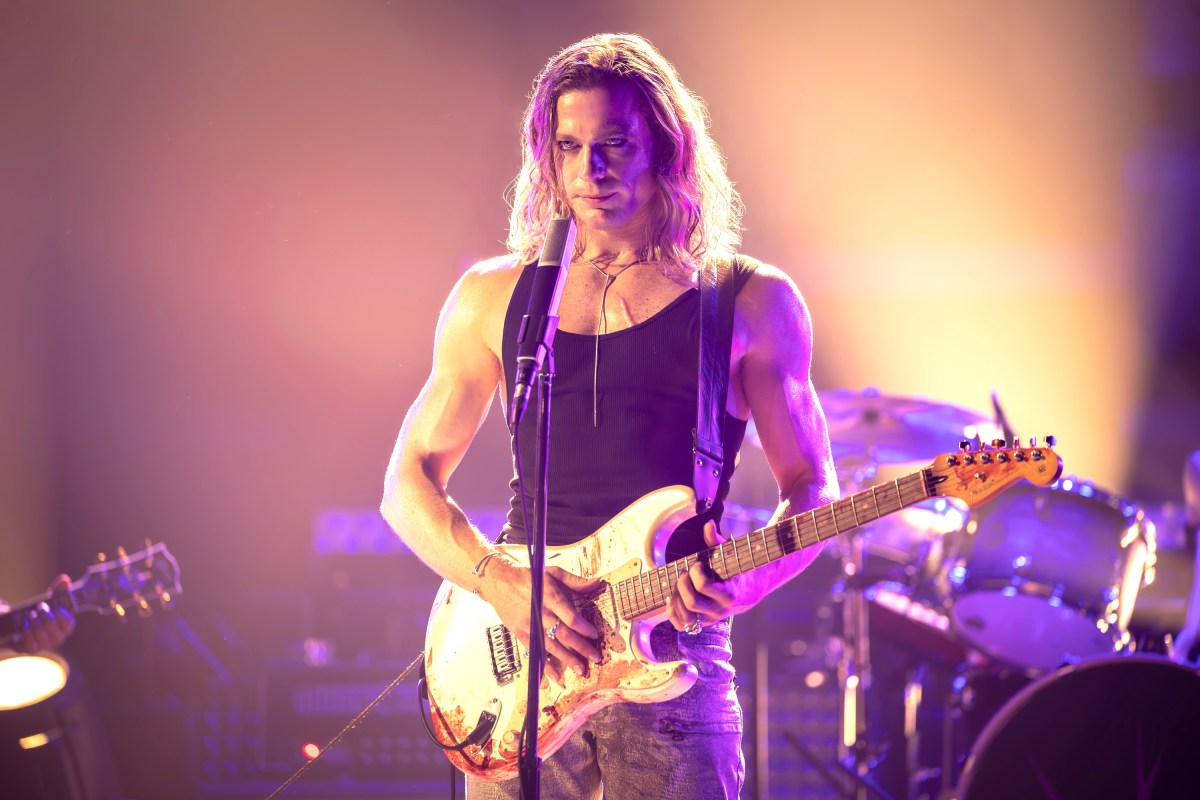
As Lestat sings the song at the end of “Toronto,” we check in on various lonely characters. Daniel hunts in an alley, alone. Louis drives away from his fiery revenge mission, alone, and sits in a booth in a diner, alone, where he makes first contact with his dead daughter’s doppleganger. Gabriella leaves the concert, alone. So does Magnus’ muse spirit. Only Nicki, who succumbed to the loneliness, stays. It ties all of the characters together thematically.
The Vampire Lestat is not a musical. This is not the Théâtre des Vampires. The concert performances are diegetic. Even the “Your Biggest Fan” music video isn’t a number in that sense. However, allow an interjection from a former theatre kid. The way “The Loneliness” links multiple storylines, and creates a sense of unease about each character’s future, functions like a musical’s Act One finale. It’s a singing cliff-hanger, sung by the ensemble or–like with The Vampire Lestat–with one character speaking to a common experience. (Probably the most famous example is “One Day More” from Les Miserables. Other examples of narrative pressure-cooker act closers include “You Will Be Found” from Dear Evan Hansen, “A Weekend in the Country” from A Little Night Music, and “Blackout” from In The Heights.)
Above all, it’s a total banger. It was Hart’s favorite song to play in the live concert at the Beacon Theatre in New York City. “I got to play guitar solos in that song,” he says, “and that’s fun, but I think it was more about playing it with the band and all the stops and starts that happen in the song. That made it more of an adventure, like, are we going to be able to pull this off? And then when we do pull it off, it’s very satisfying.”
(featured image: AMC)
Have a tip we should know? [email protected]
Follow The Mary Sue:
