


Wall Street Giants Are Facing a Reckoning After a New Report Links Their Silence to Epstein’s Ability To Fund His Operations
Systemic failure.
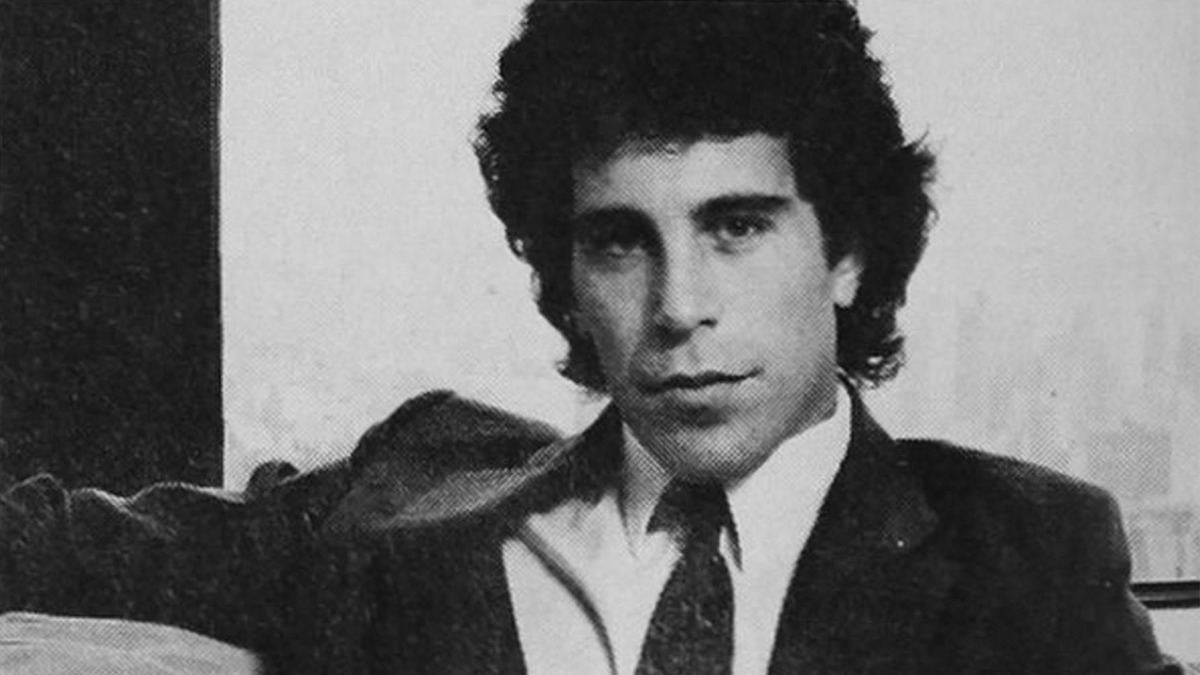
Wall Street’s biggest banks are finally facing serious heat after a new Senate report dropped some damning details about their role in Jeffrey Epstein’s financial operations. According to NPR, the report, released by Senate Democrats on the Finance Committee, alleges that JPMorganChase, Bank of America, and Deutsche Bank knew about suspicious transactions tied to Epstein for years but mostly stayed quiet until after his 2019 arrest.
The report, led by Senator Ron Wyden of Oregon, pulls from Treasury documents, internal bank records, and legal filings to paint a picture of systemic failure. Over nearly two decades, Epstein moved more than a billion dollars through these banks, with thousands of transactions that should’ve set off red flags. Bankers at JPMorganChase, Bank of America, and Deutsche Bank were aware of these moves as far back as 2002.
However, in most cases, they didn’t bother filing suspicious activity reports with the government until years later, long after Epstein’s arrest. Under the Bank Secrecy Act, banks are legally required to flag transactions they suspect are tied to money laundering or other illegal activity. The fact that they didn’t, or chose not to, is a glaring problem.
The report doesn’t hold back in its criticism
“By failing to report – or choosing not to report – his suspicious financial transactions to federal law enforcement, these banks allowed Epstein to send cash payments and wire transfers to his victims, friends, and collaborators around the world,” it states. “The bankers who needed to be asking questions didn’t ask them. Jeffrey Epstein’s crimes were hiding in plain sight.” This assessment raises serious questions about how much these banks really prioritize compliance over profit.
Deutsche Bank, for its part, responded with a statement that falls somewhere between regret and damage control. “The bank takes its legal obligations seriously,” a spokesperson said. “We have cooperated with regulatory and law enforcement agencies regarding their investigations and have been transparent in addressing deficiencies and investing in strengthening our control environment in parallel.”
Bank of America, meanwhile, flat-out denied any wrongdoing. “We take our legal and regulatory obligations seriously and, as we have previously said, the bank did not facilitate wrongdoing,” a spokesperson said. JPMorganChase, which dropped Epstein as a client in 2013 due to human trafficking concerns, didn’t respond to requests for comment. But the report notes that the bank didn’t report suspicious transactions to the government until six years later, right after Epstein’s arrest.
The report also highlights specific examples of shady transactions
Deutsche Bank, for instance, failed to promptly notify authorities about more than $250 million in questionable transfers tied to Epstein. Some of those transfers involved cash payments to women in Russia and Eastern Europe, which the bank only retroactively flagged after Epstein’s 2019 arrest.
Bank of America, meanwhile, reported $170 million in Epstein-related transactions linked to billionaire Leon Black, noting years later that the transactions had “no apparent economic, business, or lawful purpose.” And JPMorganChase processed over $1 billion for Epstein, despite internal concerns at the bank.
The Senate Democrats behind the report are demanding action. They want the Justice Department to investigate why these banks didn’t file suspicious activity reports sooner and are calling for tighter reporting requirements in the future. “If federal prosecutors are serious about preventing the next Jeffrey Epstein, they must hold Wall Street accountable,” the report says.
This isn’t the first time Epstein’s financial dealings have come under scrutiny
However, it’s one of the most comprehensive looks at how banks enabled his operations. And it turns out, the story might’ve broken even sooner if not for some behind-the-scenes drama at CBS.
According to The New Republic, earlier this year, 60 Minutes correspondent Sharyn Alfonsi had been working on an investigation into Wall Street banks’ ties to Epstein, even interviewing Senator Wyden about the findings. But the segment never aired. Alfonsi was fired by CBS News in May, part of a larger shakeup at the network, and her Epstein story was left on the cutting room floor.
A CBS News spokesperson confirmed to Bloomberg that Alfonsi had interviewed Wyden but said the story hadn’t been finished by the end of the last 60 Minutes season. They didn’t say whether the network planned to air it in the future, but they did push back against any suggestion that the story was being suppressed.
“We are proud of our aggressive and extensive reporting on the Epstein scandal,” the spokesperson said. “That reporting continues. We air pieces when they are ready and suggesting that an interview is being suppressed for any reason is categorically false.”
Still, it’s hard not to wonder what might’ve happened if Alfonsi’s report had aired months ago. Would it have added pressure on these banks to act sooner? Would it have changed the timeline of Epstein’s downfall? We’ll never know, but it’s a frustrating “what if” to consider.
(Featured image: Stephen Ogilvy)
Have a tip we should know? [email protected]
Follow The Mary Sue:
