


Construction Crews Ignored Warning Signs at the 235 East 42nd Street Project, and Now the High-Rise Is Failing
A close call?
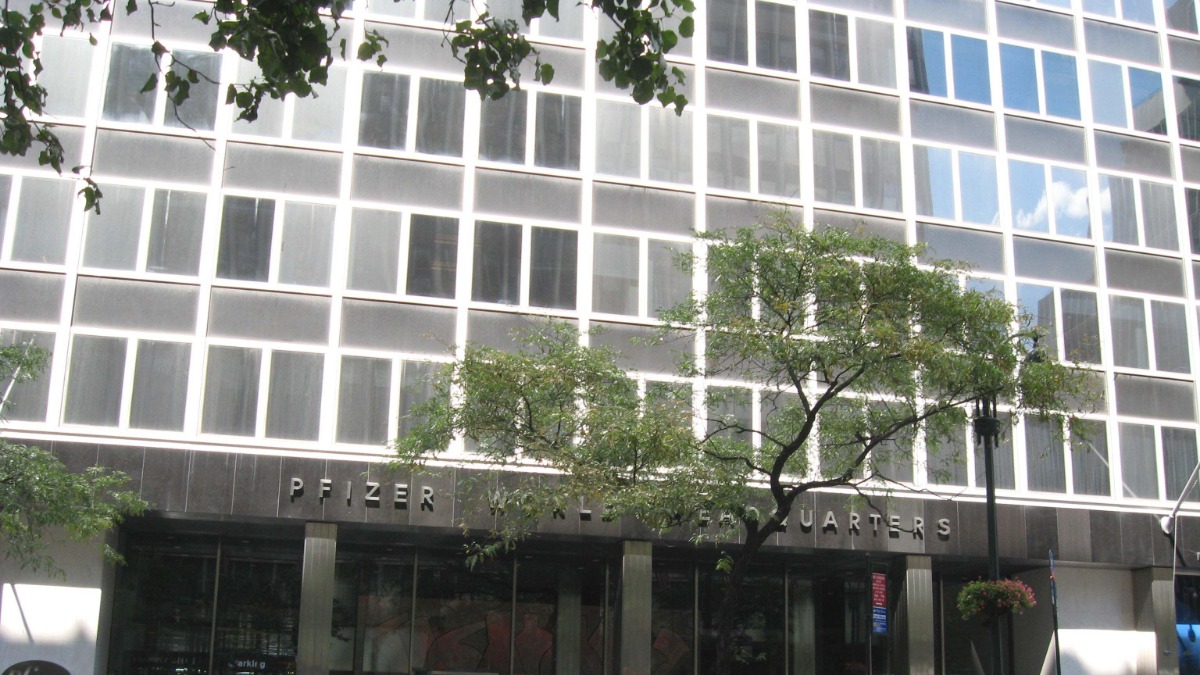
The 37-story high-rise at 235 East 42nd Street in Manhattan was deemed “stable” late on Tuesday, July 7, 2026, after two support columns on its 21st floor buckled around 8 a.m., forcing evacuations of the building and seven neighboring structures. According to NBC News, city officials confirmed the building, currently undergoing conversion from Pfizer’s former global headquarters into a 1,500-unit luxury rental complex, showed no further movement after noon.
While no injuries were reported, the incident has raised serious questions about construction oversight and whether warning signs were ignored. Buildings Commissioner Ahmed Tigani told reporters Tuesday night that the structure was being monitored both inside and out, and temporary shoring efforts were expected to begin soon. “Right now, we have been in a consistent, stable and safe situation,” he said.
“We have been able to bring in a plan and materials to stabilize the impacted floors and are looking to extend that stability plan to other parts of the building.” The fire department noted that because the high-rise is steel-framed, the risk was limited to a “localized collapse” rather than a total structural failure. Still, the situation remains precarious, with experts warning that even stabilizing the building will be a high-risk operation.
Mamdani praises first responders, public for measured response
New York City Mayor Zohran Mamdani called the situation “extremely serious” but praised first responders and the public for their calm response. “I am thankful to our first responders for quickly arriving at the site and to New Yorkers for reacting calmly and with urgency,” he said earlier in the day. By early evening, some evacuation orders were lifted, including for residents of 222 East 44th Street, though other nearby buildings remained under evaluation.
Helder Pereira, whose office building was evacuated at 11:30 a.m., described the scene as tense. “I need to get out of here really quick, because I don’t know if the neighboring buildings are collapsing or not,” he recalled thinking. “It was a bit scary.”
The New York Fire Department (FDNY) received a call around 8 a.m. about bricks falling from the building, while police got a 911 report less than 15 minutes later from construction workers who saw the columns beginning to collapse. Raw video from inside the high-rise, recorded by a worker, showed crumbling steel columns on the 21st floor.
All workers were accounted for, though it’s unclear how many were on-site when the distress signs appeared. Governor Kathy Hochul posted on X that the state was ready to provide assistance and advised people to avoid the area.
This isn’t the first time the high-rise project has faced scrutiny
According to the NY Post, Department of Buildings records show the site was hit with seven violations between July and December 2025, racking up over $32,000 in fines. Structural engineer Ronald Hamburger, who has five decades of experience and worked on the World Trade Center investigation, called the violations “flags” that should have been addressed sooner.
The current instability appears tied to the addition of 11 new floors, a complex modification that may have overstressed the existing structure. Hamburger noted that the buckled columns are now only supporting about a third of their intended load, leaving the rest of the building’s framework “highly stressed.”
Experts agree the high-rise will need at least partial demolition before repairs can begin. Emily Guglielmo, a structural engineer and principal at Martin/Martin, explained that the damage, including cracked floors and sagging beams, isn’t reversible. “It’s not like we can just push a cracked floor up and it can maintain its capacity,” she said. “There will absolutely be removal and replacement of some of these elements.”
The challenge now is stabilizing the structure enough to even attempt repairs
Engineers will need to assess the building’s safety before installing temporary bracing, a process that could take days. Guglielmo described it as a “balancing act” between getting workers inside to shore up the structure and avoiding further risk.
The building’s conversion into what was slated to be New York City’s largest commercial-to-residential project – with around 1,600 units – has been put on hold indefinitely. Nine city blocks were locked down in a “frozen zone” during the evacuation, disrupting businesses and residents alike.
While the immediate danger has passed, the long-term fix will be anything but simple. Hamburger estimated that stabilizing the building could take about a week, followed by structural repairs. But with the building’s integrity compromised, every step forward will require extreme caution.
The immediate focus is on preventing further damage
The city has brought in materials to reinforce the affected floors, but the road ahead is uncertain. If the high-rise is deemed safe enough for engineers to enter, they’ll compare its current condition to original construction plans to determine what went wrong. The investigation will likely examine whether the added weight of the new floors, combined with any overlooked structural weaknesses, led to the near-collapse.
With millions of dollars in fines already levied and a history of violations, this incident may force a reckoning in how high-rise conversions are managed in one of the world’s most densely built cities. The stakes couldn’t be higher. A misstep now could turn a localized failure into a full-blown disaster.
For the workers, residents, and businesses caught in the chaos, the relief of Tuesday’s evacuation is tempered by the knowledge that the building’s future, and the safety of those around it, remains in limbo. The coming days will determine whether this was a close call or the beginning of a much larger problem.
(Featured image: Jim.henderson)
Have a tip we should know? [email protected]
Follow The Mary Sue:
