


California officials confirm wood burning is legal for Thanksgiving. Then they reveal the tradition is linked to 210 premature deaths: ‘unhealthy’
Don't gather 'round the fireplace.
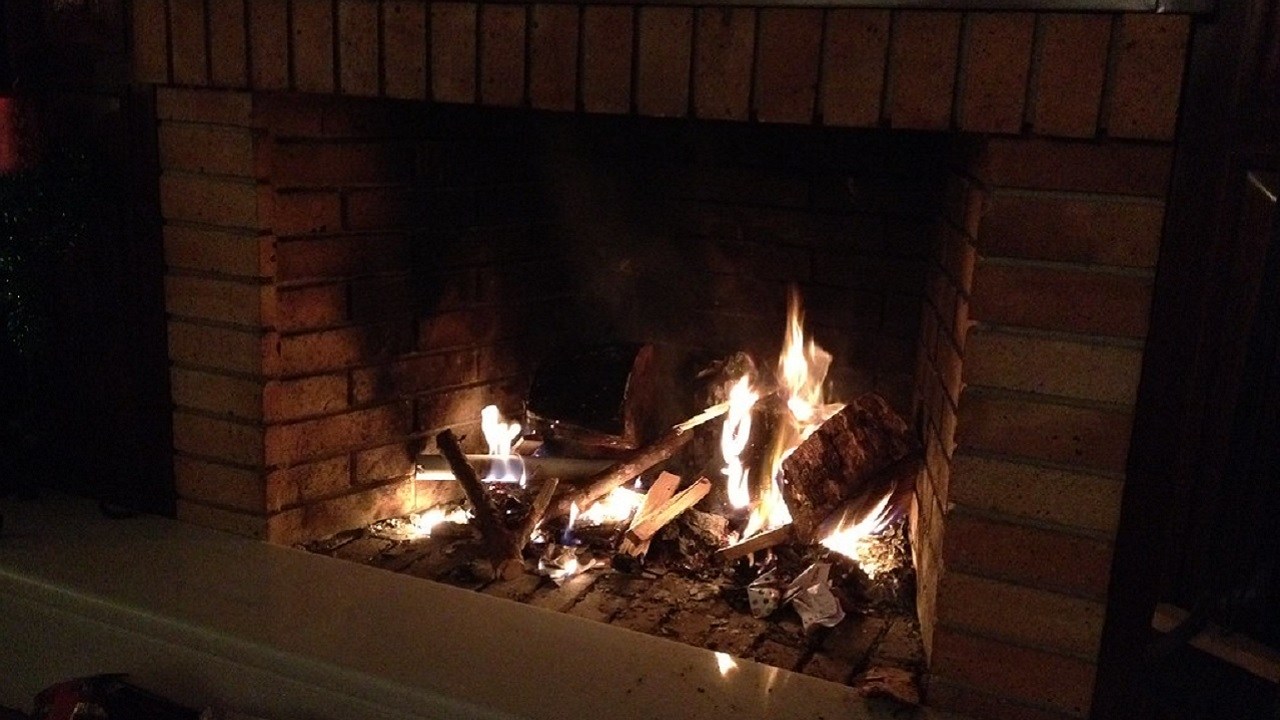
The Bay Area Air District (BAAD) is strongly discouraging families from burning wood during Thanksgiving this year, according to KRON 4. The district has confirmed that wood burning is legal, and a Spare the Air alert hasn’t been issued for the holiday weekend.
Wood burning in residential buildings is a main source of air pollution, with wood smoke making up about a third of fine particulate emissions in the winter, and this area of California has an estimated 1.2 million fireplaces. The district estimates that up to 210 premature deaths each year can be attributed to the particles from the smoke of burning wood.
The BAAD says that burning wood can reduce air quality and be harmful to people with respiratory conditions, as well as to children and older adults. As such, the district is asking that residents skip the holiday fires, saying, “Like wildfire or cigarette smoke, wood smoke contains fine particles and cancer-causing substances that make the air unhealthy to breathe.”
Wood-burning particulates can trigger heart attacks and other health issues
The United States Environmental Protection Agency (EPA) provides more information about the dangers of the particles from burning wood, which are fine particulates that you might see referred to as PM2.5. It also says that the smoke can have toxic pollutants in addition to the fine particles, which could include toxins like formaldehyde, benzene, and acrolein.
PM2.5, according to the EPA, can “get into your eyes and respiratory system, where they may cause burning eyes, runny nose, and illnesses, such as bronchitis.” For people with pre-existing conditions and who may be at risk for certain conditions, the fine particles in wood smoke can also trigger asthma attacks, heart attacks, stroke, irregular heartbeat, and heart failure.
Benzene, when inhaled in small amounts, could cause effects like dizziness, headaches, and respiratory irritation, according to the Center for Disease Control and Prevention (CDC). Eye exposure to benzene present in vapors could lead to irritation and blurred vision.
Formaldehyde can have effects when even small amounts are inhaled, as the National Institute for Occupational Health and Safety (NIOSH) released a paper that mentions that the first symptoms appeared when 0.1 to 5 Parts per million (PPM) of formaldehyde were present. Those symptoms included burning eyes, tearing up, and upper respiratory irritation.
Acrolein can lead to irritation and tearing up when 1.8 PPM of the pollutant is present. When 2 to 2.3 PPM is present, five minutes of exposure leads to severe irritation.
The American Lung Association provides tips to reduce emissions
When it comes to reducing emissions from wood burning indoors, the American Lung Association offers a list of tips that can help lower the risk, especially for homes that might need to rely on wood burning for heat in cold weather. This list includes using an EPA-certified stove, burning seasoned firewood, cleaning and maintaining your fireplaces and stoves, removing ash, having proper ventilation, and using an air purifier.
The American Lung Association estimates that over half of woodstoves in the US are older, and older woodstoves produce more pollution and don’t burn efficiently. If you have an older woodstove, you could be in a community that has a change-out program run by the EPA that is designed to help communities keep their air clean and provide more efficient heating.
Another option to reduce emissions, as provided by the American Lung Association, is switching to electric options. There are electric fireplaces that provide heat and the visual aesthetic of a traditional fireplace, but since they don’t use actual wood and are combustion-free, they don’t release the emissions that could be harmful when inhaled.
Have a tip we should know? [email protected]
Follow The Mary Sue:
