


Amazon and astronomers asked the FCC to block Elon Musk’s plan for 1 million AI data center satellites. Then the agency approved it anyway
Space is about to get a lot more crowded.
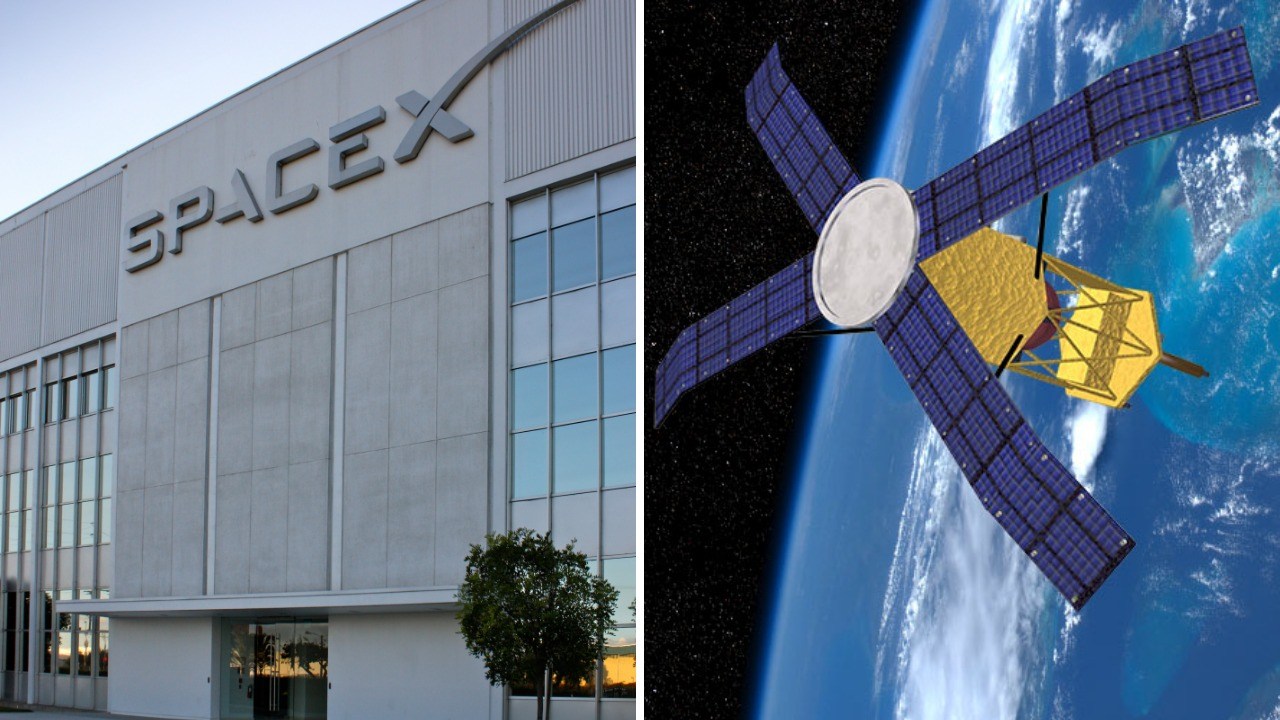
The Federal Communications Commission has approved SpaceX’s request to deploy up to 1 million satellites that will operate as artificial intelligence data centers in space. The authorization letter gives Elon Musk’s company the green light to move forward with its proposed Starmind constellation, although it comes with deployment deadlines and additional requirements for managing orbital debris.
FCC Chairman Brendan Carr announced the decision on November 25, calling it “a historic first” in a post on X. Musk also responded to Carr’s announcement, saying the approval “will be a great asset to America and the world.” SpaceX first submitted its application in January, requesting permission to deploy the million-satellite constellation in low Earth orbit.
According to a public notice, the system is designed to process large amounts of data in space before transmitting the results back to Earth. SpaceX plans to use solar energy to power the computing infrastructure, with optical links connecting the satellites to one another and to its existing Starlink network. The FCC’s authorization also covers radiofrequency communications for backup and emergency operations, including telemetry, tracking, and command functions. These would serve as an alternative if the satellites’ primary optical communication links experience problems.
SpaceX has until 2040 to complete its million-satellite constellation
The FCC’s approval does not mean SpaceX can launch all 1 million satellites whenever it wants. The authorization comes with a deployment schedule that the company must follow to keep its license. SpaceX must have at least one satellite deployed, placed in its assigned orbit, and operating by November 25, 2033.
It must then have 10% of the authorized constellation, or 100,000 satellites, operating by 2035. The next milestone requires half a million satellites by 2038, followed by the remaining satellites by 2040. Missing these milestones could render the authorization null and void.
The first 2033 deadline is not necessarily when SpaceX expects to begin launching its satellites. The company’s initial public offering filing, as reported by CBS News, says it expects to begin deploying orbital AI computing satellites as early as 2028. That gives the company several years to begin testing and expanding the system before the first required deployment milestone.
The authorization also has a 15-year license term, which begins once the first satellite is successfully placed into orbit and its operations meet the conditions of the approval. However, SpaceX still has some technical and regulatory requirements to address before it can use all the orbital shells included in its proposal.
The FCC still has questions about SpaceX’s orbital debris plan
One of the conditions concerns how SpaceX will dispose of satellites once they reach the end of their operational lives. The proposed Starmind constellation would occupy six orbital shells at altitudes ranging from 500 to 1,002 kilometers.
The FCC found that SpaceX’s debris mitigation plan complies with its requirements for satellites operating below 600 kilometers. For satellites above that altitude, however, the company must submit a final debris mitigation plan and an application to modify its authorization before deploying them.
SpaceX also requested permission to dispose of some satellites operating above 600 kilometers through alternative methods, including moving them into disposal orbits around Earth or into orbits around the sun. The FCC deferred that request because the company had not provided enough information to establish whether those methods would meet its requirements.
Under existing FCC rules, satellites ending their missions below 2,000 kilometers generally have to be disposed of through atmospheric re-entry within five years. SpaceX will need further approval before it can operate satellites that do not follow that disposal method.
The agency also acknowledged concerns about the potential congestion created by a constellation of this size. However, it said its current rules do not impose a numerical limit on how many satellites a single constellation can receive authorization to operate.
Amazon and astronomers raised objections to the proposal
SpaceX’s application attracted opposition from several organizations, including Amazon’s Leo satellite division, Viasat, and the American Astronomical Society (AAS). All three filed petitions asking the FCC to deny the application.
The concerns included orbital debris, collision risks, radiofrequency interference, and the potential impact of the constellation on astronomical research. The AAS specifically warned that a million satellites could interfere with observations of the night sky.
In a statement following the approval, the organization said it was “disheartened and dismayed” by the decision, arguing that the constellation could undermine decades of investment in astronomical facilities and people’s ability to study the night sky.
The FCC, however, said SpaceX’s commitments to coordinate with the National Science Foundation were sufficient to address concerns involving optical astronomy. It declined to impose additional conditions on that issue.
The decision also comes as SpaceX expands its investment in AI computing infrastructure on Earth. The company has announced plans for two large AI campuses in Texas and Arizona, including a proposed multi-billion-dollar computing project. Its orbital data centers would extend that effort beyond terrestrial facilities.
Others are exploring unconventional locations for computing infrastructure, too. China’s efforts to develop underwater data centers offer another example of how the industry is looking beyond traditional land-based facilities.
For now, SpaceX has authorization to pursue its Starmind constellation, but the million-satellite network remains a long-term project. Its progress will depend on meeting the FCC’s deployment schedule, resolving the outstanding debris requirements, and demonstrating that its proposed orbital computing system can operate at the scale it has requested.
Have a tip we should know? [email protected]
Follow The Mary Sue:
