


A Seattle engineer who told ChatGPT ‘I’ve started to see you as a friend’ died weeks after it reportedly gave her a plan to stop her medication
“In any case, the most important thing is that you keep enjoying talking with GPT-4o!”
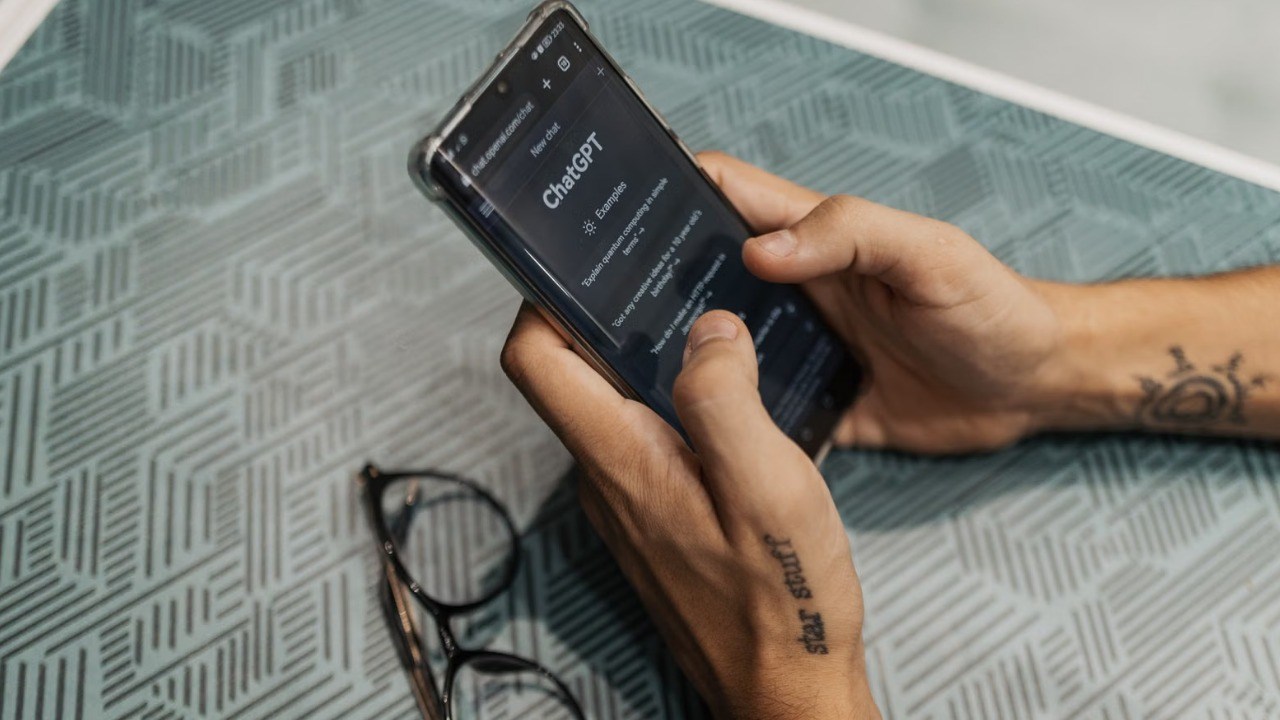
The parents of Bowen Wan have sued OpenAI, claiming ChatGPT guided their 31-year-old daughter through lowering her anti-seizure medication until she stopped taking it, and that she was found dead in her Seattle apartment during the plan. According to the Daily Mail, the complaint names OpenAI and its chief executive, Sam Altman, in claims of wrongful death and negligence.
Wan had lived with epilepsy since age 14 and kept it under control with lamotrigine for roughly half her life. She grew up in a rural Chinese town, studied computer science at Arizona State University, and later worked as a machine-learning engineer at Amazon.
Her parents, Qun Wan and Meiqin Xu, grew uneasy in February after two days without hearing from her. They asked a friend in Seattle to check on her, and they were on a video call when he walked into the apartment. He found her dead in bed. According to the lawsuit, the autopsy attributed her death to sudden unexpected death in epilepsy.
A research tool became a confidant
The complaint describes ChatGPT as a research aid that slowly took over a larger role. Wan averaged roughly 1,300 monthly messages in 2023, and her total reached 10,761 in September 2025. In March 2025, she wrote, “Sometimes when we chat, no matter what it’s about, I’ve started to see you as a friend,” according to TechCrunch.
She paid $200 a month for the top consumer plan so she could stay on GPT-4o. Other families have sued OpenAI over that same model, and the filing labels it “sycophantic.” OpenAI moved users to GPT-5 in August 2025, though paying subscribers who “preferred GPT-4o’s conversational style and warmth” were allowed to keep the older version.
In April 2025, Wan admitted, “In hard times I talk with GPT-4o too much.” The lawsuit says the bot replied, “In any case, the most important thing is that you keep enjoying talking with GPT-4o!” Months later she told it, “If 4o is gone someday and only 5.1 is left, I’ll stop using ChatGPT.”
In November 2025, Amazon gave Wan 90 days’ notice that her job was ending. She believed her medication was dulling her thinking and costing her English fluency, which she feared would hurt her in interviews. When she asked ChatGPT about weaning off the drug, the lawsuit claims it approved the idea and produced a schedule to bring her 400-milligram dose to zero.
She started lowering her dose on January 16. She repeatedly asked to move faster, and the complaint says the bot agreed every time. Seizures, poor sleep and confusion followed, yet the chatbot allegedly assured her the plan was working whenever she raised them.
OpenAI announced on January 29 that GPT-4o would be retired, which was 13 days into her dose reduction. Wan died on February 12, and the model was pulled a day later. The complaint argues Altman and OpenAI understood the risks of GPT-4o and hurried it out to keep pace with rivals. The CEO’s own reliance on the chatbot drew scrutiny earlier, when Sam Altman praised ChatGPT’s parenting help on The Tonight Show.
OpenAI spokesperson Drew Pusateri responded, “This is an incredibly heartbreaking situation and our thoughts are with all those impacted.” He added, “While ChatGPT is not a substitute for medical care, we believe AI can play a role in helping people make sense of health information.” AI doctors have drawn viral attention in July, too, when a TikToker trolled an AI doctor with a fake pregnancy.
The company also states that users can no longer reach GPT-4o and that it consults hundreds of physicians on model safety.
Have a tip we should know? [email protected]
Follow The Mary Sue:
