


Scientists Transform Plastic Bottles Into Cookies, and Yes, They’re Edible, A ‘Treat from Trash’
Would you eat a cookie made from plastic?
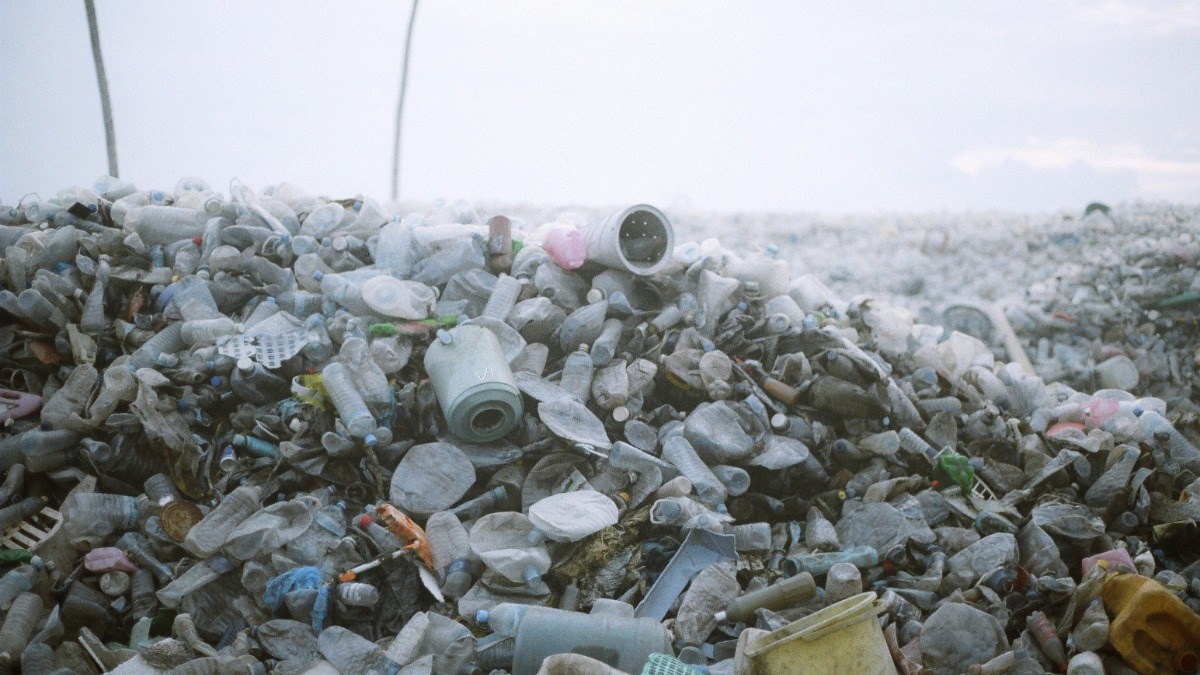
The question of what to do with plastic waste has led to innovative ideas over the years, from repurposing it for use in 3D printers to create medical supplies to integrating it into asphalt to make roads more durable. One group of scientists in Chicago just came up with an entirely new use for plastics, though — cookies. And yes, they’re actually edible.
According to American Chemical Society, in addition to finding ways to reuse plastics, researchers have also experimented with determining new food sources, as some current ones may not be viable in the near future and the price of what is available is ever rising. From experimenting with insects as protein sources to turning yeast from mummies into bread, this research has driven advances in the agricultural and food industries.
Cookies made from plastics might seem odd, but it isn’t a case of baking a bunch of used water bottles and having them magically become edible. It’s a little more complicated than that.
Cookies from plastics come from microbes
When it came to the idea of developing cookies from plastics, researcher and Associate Professor Lahiru Jayakody reportedly explained, “We thought, why not focus on making food? Because plastic is carbon and food is carbon.”
How exactly did the scientists create this “treat from trash”? The short version is by utilizing microbes.
The longer version involves taking polyethylene terephthalate (PET), one of the most commonly used plastics. They take that, along with discarded corn stalks and other biomass, and put it through a proprietary system that uses oxygen and water at high temperatures to break everything down into pieces easily accessible to microbes.
Meanwhile, microbes, especially yeast, have been used in various ways to make molecules. In fact, insulin can now be made from yeast. Members of the research team programmed several yeasts to convert the molecules in the plastics into flavorings, proteins, and vitamins.
After the plastic waste and biomass go through the oxygen and water process, what’s left is fed to the yeast, which turns it into new food ingredients. Add sweetener, starch, and fiber to these ingredients, run them through a 3D printer, and the result is a protein-rich cookie currently called a µBite.
It will be a while before people can try the cookies
Unfortunately, these cookies won’t be popping up in grocery stores any time soon. The scientists themselves haven’t even tried them yet, according to the American Chemical Society. Even though the data shows the cookies are edible, the product still must go through institutional approval before anyone can taste them.
The scientists behind the cookie hope it can be ready for public consumption in a few years and that it can be used not only on Earth but in more extreme environments, like space travel or on submarines. Given how the world of agriculture is currently faring and the many recent cuts to food aid, this cookie and similar products could prove life-saving.
As Jayakody purportedly said, “Global food demand is expected to rise 35–56% by the year 2050, and about 30% of the world population will be at risk of hunger in the future. The way to address that, I believe, is by using microbes.”
Have a tip we should know? [email protected]
Follow The Mary Sue:
