


Seven More Belugas Have Survived the 2,000-Mile Journey From a Shuttered Canadian Park, yet Questions Linger About the Rest of the Pod
Round two.
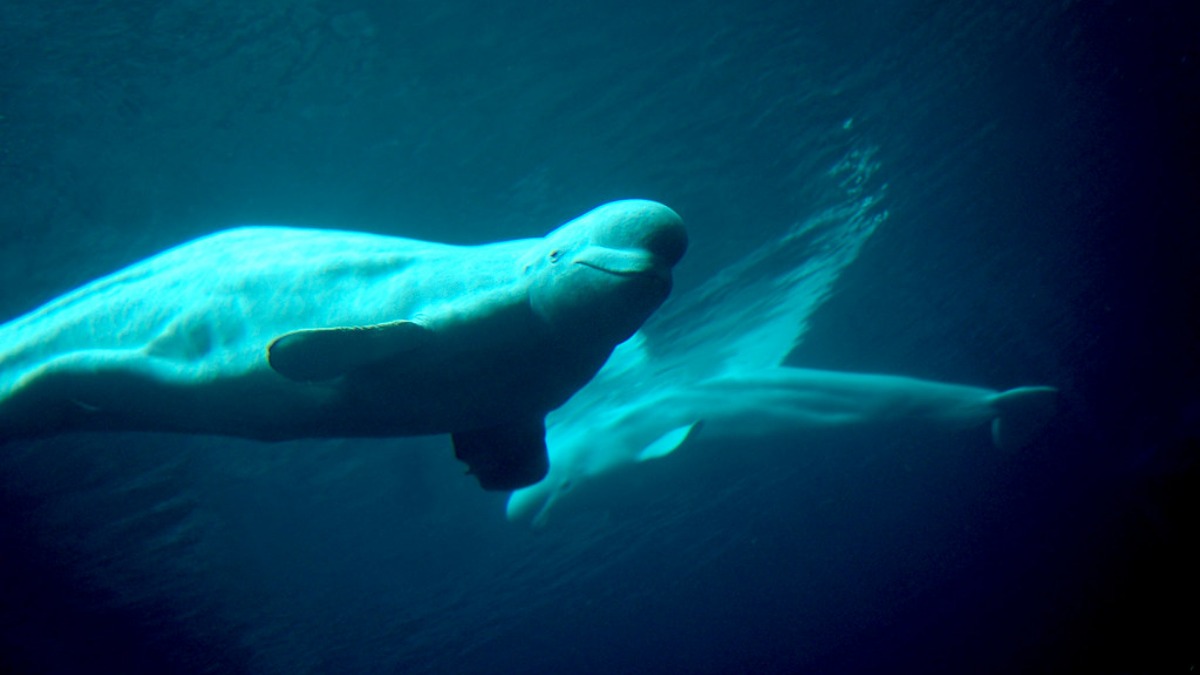
SeaWorld San Antonio just rolled out the welcome mat for seven more beluga whales rescued from a shuttered Canadian marine park, marking the second major transfer in an ongoing international effort to relocate the entire pod. The latest arrivals – Xena, Gemini, Skyla, Meeka, Eve, Neva, and Calypso – touched down August 6, 2026, after a nearly 2,000-mile journey by truck and cargo plane from Marineland of Canada in Niagara Falls, Ontario.
With this group, the park now houses nine belugas, all part of a rescue mission that’s still far from over. According to the San Antonio Report, the seven females traveled in specialized, water-filled containers while veterinarians and animal care specialists kept a close watch on their health and comfort throughout the trip. It’s the largest single movement of belugas in U.S. history, and according to Steve Aibel, SeaWorld San Antonio’s vice president of animals and conservation, everything went smoothly.
“Given this is the largest number of belugas being moved at one time, we are so happy that all went well and the second transport of this huge rescue effort is complete,” Aibel said. The whales are now in a private habitat, away from public view, where caretakers are letting them adjust at their own pace. The team is monitoring their eating habits, rest patterns, and social interactions to ensure they’re settling in without stress.
This latest transfer follows the arrival of Frankie and Bertie Botts
The two male belugas made the same journey in July. They have been adapting well, exceeding expectations by eating within hours of arrival and getting comfortable in their new environment. Trainers even gave reporters a behind-the-scenes look last week, showing off how the pair is bonding with their caretakers and slowly being introduced to SeaWorld’s resident belugas. The park plans to integrate them into the main viewing pool in the coming weeks.
Marineland, the Canadian park where the belugas originated, shut its doors to the public in 2024 but has struggled to provide long-term care for the animals. According to CBS News, about a year after closing, the park warned that euthanasia might be the only option if a relocation plan or additional funding wasn’t secured.
That’s when the National Oceanic and Atmospheric Administration stepped in, issuing approvals in July to move the whales to facilities where they could receive proper medical treatment and husbandry. The agency made it clear that no other Canadian facilities could provide the level of care these belugas needed, making the international effort their best shot at survival.
So far, 13 of the original 30 belugas have been relocated, with four sent to the Shedd Aquarium in Chicago during the first transfer. The remaining 17 are still at Marineland, but plans are in place to move them to aquariums in Georgia, San Diego, and even Spain. Officials haven’t shared a timeline for those transfers.
However, the urgency is clear
Marineland’s closure left the whales in limbo, and without intervention, their future was uncertain. The rescue isn’t just about finding new homes but also ensuring they get the specialized care they need, from veterinary attention to socialization with other belugas. For the seven new arrivals in San Antonio, the focus is on a smooth transition. The team at SeaWorld is taking a hands-off approach, letting the whales explore their new surroundings without pressure.
That means no forced interactions, no rushed introductions, and plenty of time to adjust to the sights and sounds of their new habitat. It’s a process that can take weeks or even months, but the goal is to make sure each whale feels safe and comfortable. Trainers are watching for signs of normal behavior, like regular eating and socializing, which are good indicators that the belugas are settling in.
Frankie and Bertie’s progress offers a promising blueprint for what’s to come. The two males have been eating well, responding to training sessions, and even showing curiosity about their new tankmates. Their success suggests that the relocation effort is working, at least for the belugas who’ve already made the trip.
But with 17 whales still waiting for their turn, the pressure is on to keep the momentum going. Each transfer requires meticulous planning, from coordinating transport logistics to ensuring the receiving facilities are ready to handle the new arrivals.
The challenges of moving belugas include the animals themselves
Belugas are highly social creatures, and disrupting their pods can be stressful. That’s why SeaWorld and other participating aquariums are taking extra care to monitor the whales’ physical and mental health during and after the move. The specialized transport containers are designed to minimize stress, with temperature-controlled water and enough space for the whales to move comfortably. Even the cargo plane ride is carefully planned to avoid turbulence and keep noise levels low.
For now, the focus remains on the nine belugas already in San Antonio. The seven females are still in their private habitat, but if their transition mirrors Frankie and Bertie’s, it won’t be long before they’re ready to meet the public. SeaWorld hasn’t announced when that might happen, but the park’s team is optimistic.
The belugas’ arrival is a huge win for animal welfare. It’s a reminder of how complex and resource-intensive these rescues can be. Every step, from the initial transport to the long-term care, requires expertise, patience, and a deep understanding of the animals’ needs. With 17 others left at Marineland, the rescue effort is far from over. The next transfers will likely involve a mix of U.S. and international facilities, each with its own set of challenges.
(Featured image: Mike Johnston)
Have a tip we should know? [email protected]
Follow The Mary Sue:
