



Woman Says Fratelli’s Pizza in Georgia Gave Her Raw Food, Made Her Wait an Hour – Then the Owner Said Something Racist When She Complained
Disrespected and unheard.
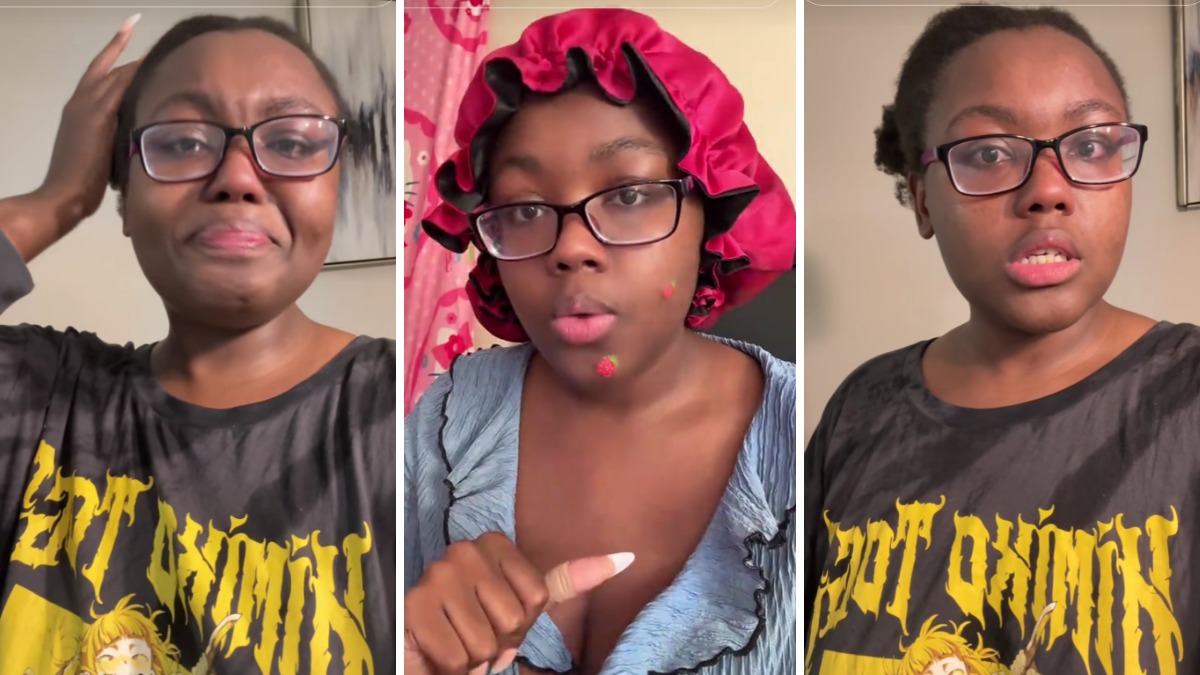
A woman’s viral video has sparked outrage after she shared her experience at a Fratelli’s NY Pizza outlet in Georgia, where she says she was served raw food, forced to wait nearly an hour, and then subjected to racist remarks when she complained. Jada, @jadathedoll on TikTok, detailed the incident in a series of emotional videos, describing how what should have been a routine food order turned into a distressing encounter.
Jada’s first video begins with her visibly upset as she recounts the moment the owner of Fratelli’s allegedly told her, “You need to calm down. This ain’t the streets.” The remark, she says, was repeated multiple times during her confrontation with staff.
She explains that she initially ordered a pizza and chicken parmesan pasta, only to receive an uncooked, uncut pizza after waiting 20 to 40 minutes. When she returned to the restaurant to demand a refund, she says the owner’s response escalated the situation into what she describes as “blatant repetitive racism.”
Jada offered more details
In her follow-up video, she provided a more detailed timeline of events, including how she was forced to wait an additional 20 to 25 minutes after being told her pizza would take even longer. When she finally received her food, she discovered the pizza was raw – white dough with unmelted cheese – and the chicken parmesan, which she still has uneaten, was the only part of her order that appeared edible.
Jada’s frustration grew as she described the back-and-forth with staff. She says the female employee insisted the pizza was cooked, despite her repeated explanations that it wasn’t. When a Black employee offered to refund her, the owner, identified as Danny, intervened.
That’s when, according to Jada, he made the remark about “the streets,” a comment she says was racially charged. She recalls responding, “You don’t get to say that to me,” and questioning why he didn’t step in earlier to resolve the issue if he owned the restaurant. In her second video, Jada addressed the backlash she received, including accusations that she misinterpreted the owner’s words.
She pushed back, saying, “I went in there as an annoyed Black woman, and that was the response I got.” She acknowledged feeling conflicted about the attention the video received but stood by her belief that the comment was racially motivated. “I genuinely do, in my heart of hearts, think he was being stereotypical,” she said, adding that she felt he was trying to provoke a reaction from her.
The videos have resonated with many
Viewers shared their own experiences with racial discrimination in customer service. The incident has reignited broader conversations about how microaggressions and overt bias can turn minor complaints into deeply upsetting experiences. For Jada, the ordeal was a stark reminder of how common such encounters are, even in everyday situations like returning food.
Jada’s account also highlights the power of social media in holding businesses accountable. Her videos have drawn widespread attention. The incident underscores how quickly a routine transaction can escalate when racial bias is involved, leaving customers feeling powerless and dehumanized.
The experience has clearly taken an emotional toll on Jada. In her videos, she appears tearful and shaken, particularly when recounting the owner’s remarks. She also expressed frustration over the gaslighting she faced after sharing her story, with some viewers questioning whether the comment was truly racist. Despite this, she remained firm in her conviction that the remark was racially charged.
Jada’s story sparks discussions about corporate responsibility and bystander intervention
Many viewers praised her for speaking out, while others criticized the owner’s behavior and the restaurant’s handling of the situation. The incident serves as a powerful example of how racial bias can manifest in customer service, turning what should be a simple interaction into a traumatic event.
For Jada, the ordeal ended with a partial refund—only for the pizza—but the emotional impact lingers. She says she still has the untouched chicken parmesan as a reminder of what happened. While she expressed reluctance to continue discussing the incident, her videos have already made a significant impact, drawing attention to the persistent issue of everyday racism in consumer spaces.
The incident at Fratelli’s NY Pizza is far from an isolated case. It reflects a larger pattern of discrimination that many Black consumers face, where minor complaints are met with dismissive or hostile responses. Jada’s story has become a rallying point for those who have experienced similar treatment, reinforcing the need for greater awareness and accountability in customer service.
As the conversation around racial discrimination continues, Jada’s experience serves as a reminder that these issues are not confined to high-profile cases but can occur in everyday interactions. Her decision to share her story has given others a platform to voice their own experiences, highlighting the importance of speaking out against injustice, no matter how small the incident may seem.
(Featured images: Jadathedoll @jadathedoll on TikTok)
Have a tip we should know? [email protected]
Follow The Mary Sue:
