


In a Twist, US Widens Military Campaign in Northern Iran and Stops Ship Attempting To Breach Blockade
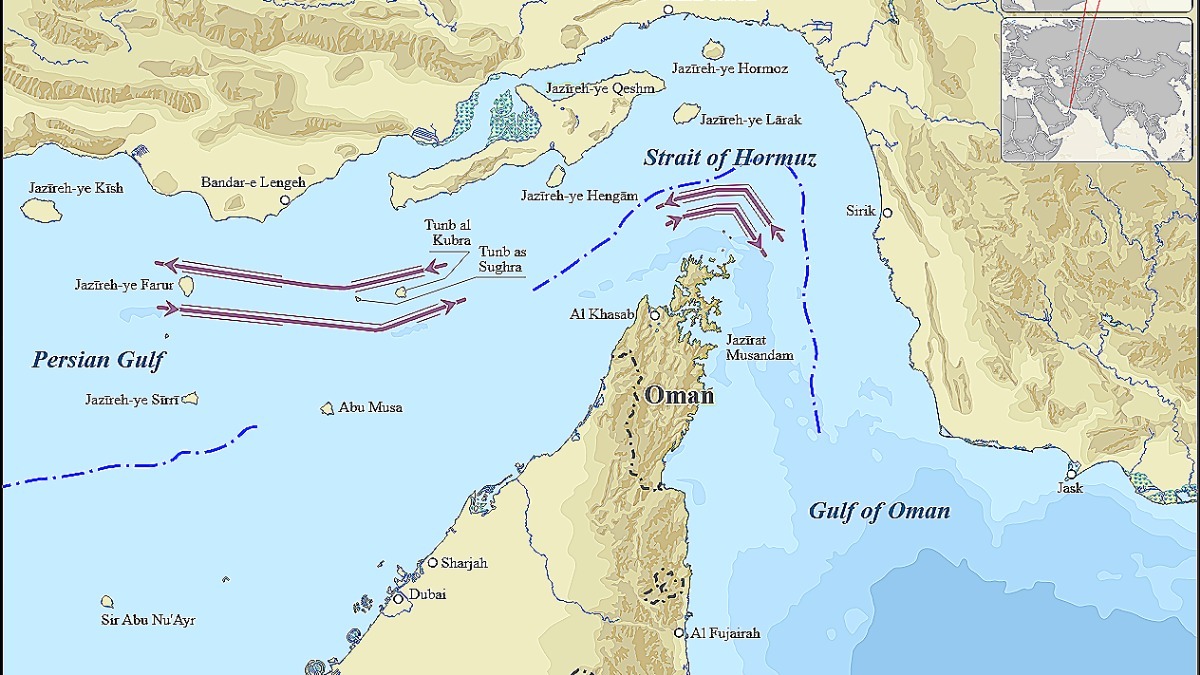
Military operations between the United States and Iran expanded again on Thursday. Washington broadened its campaign inside Iran and also took direct action at sea, signaling the conflict is moving beyond airstrikes alone.
The latest escalation came as diplomatic efforts showed little sign of progress and regional governments remained on alert for additional retaliation. Shipping through the Persian Gulf continues to face heightened security risks, while governments across the Middle East are assessing whether the conflict could spread further after another day of military exchanges.
According to ABC News, U.S. forces struck targets in additional parts of Iran early Thursday, including areas around Tehran, while the American military also said it disabled a commercial tanker that ignored repeated warnings as it headed toward Iran’s main oil export terminal.
The fighting just moved beyond airstrikes
Iranian state media reported explosions in several provinces, including areas surrounding Tehran and Semnan province, which hosts facilities linked to Iran’s ballistic missile program and space activities. Additional strikes were also reported in Hamedan, Hormozgan, Khuzestan, Lorestan, Markazi, and Sistan and Baluchistan provinces.
The U.S. military also confirmed action against the Curacao-flagged tanker Belma. According to American officials, the vessel continued toward Kharg Island despite multiple warnings. The military said it fired a missile into the ship’s smokestack, disabling the vessel before it reached the Iranian export terminal.
Kharg Island remains Iran’s principal oil export hub, making shipping around the area strategically important as both countries attempt to increase pressure on one another without disrupting broader regional commerce more than necessary.
Authorities in Bahrain, Jordan and Kuwait said missiles and drones targeted their territories early Thursday. Those countries host American military personnel and installations, though officials did not immediately report casualties or major damage. Kuwait later reported another round of incoming fire during the afternoon.
The exchanges indicate that Tehran continues to answer American military operations by targeting locations connected to the broader U.S. security network in the region rather than limiting retaliation to direct attacks inside Iran.
Col. Ebrahim Zolfaghari, spokesperson for the Iranian military’s Khatam al-Anbiya Central Headquarters, said, “All the infrastructure in the region will be crushed under the steel blows of the powerful armed forces of the Islamic Republic of Iran” if President Donald Trump follows through on previous threats to target Iranian infrastructure.
He also said, “Under no circumstances and in no way will we allow America, as a foreign and extra-regional country, to interfere in the Strait of Hormuz.” “This is Iran’s invincible red line.” The statement reflects Tehran’s long-standing position that the strategic waterway remains central to its national security.
Brent crude traded above $85 per barrel on Thursday, remaining well above prices recorded before the latest escalation. While prices remain below previous wartime highs, traders continue reacting to uncertainty surrounding future shipping conditions.
Iranian state television said at least 13 missiles were used in the attack. The report said seven soldiers, including conscripts and career personnel, were killed while others were wounded. Those casualty figures have not been independently verified.
Trump said Iran had released an American citizen detained since 2024 as a goodwill gesture. Human rights attorney Jared Genser later identified the individual as his client, Dena Karari, a U.S.-Iranian citizen charged with espionage. Iranian authorities did not immediately confirm the reported release.
Have a tip we should know? [email protected]
Follow The Mary Sue:
