


Jermaine Dupri Is Dragging Sony to Court for $18 Million, Claiming the Label Spent Decades Cooking the Books on His Biggest Hits
Breach of trust.
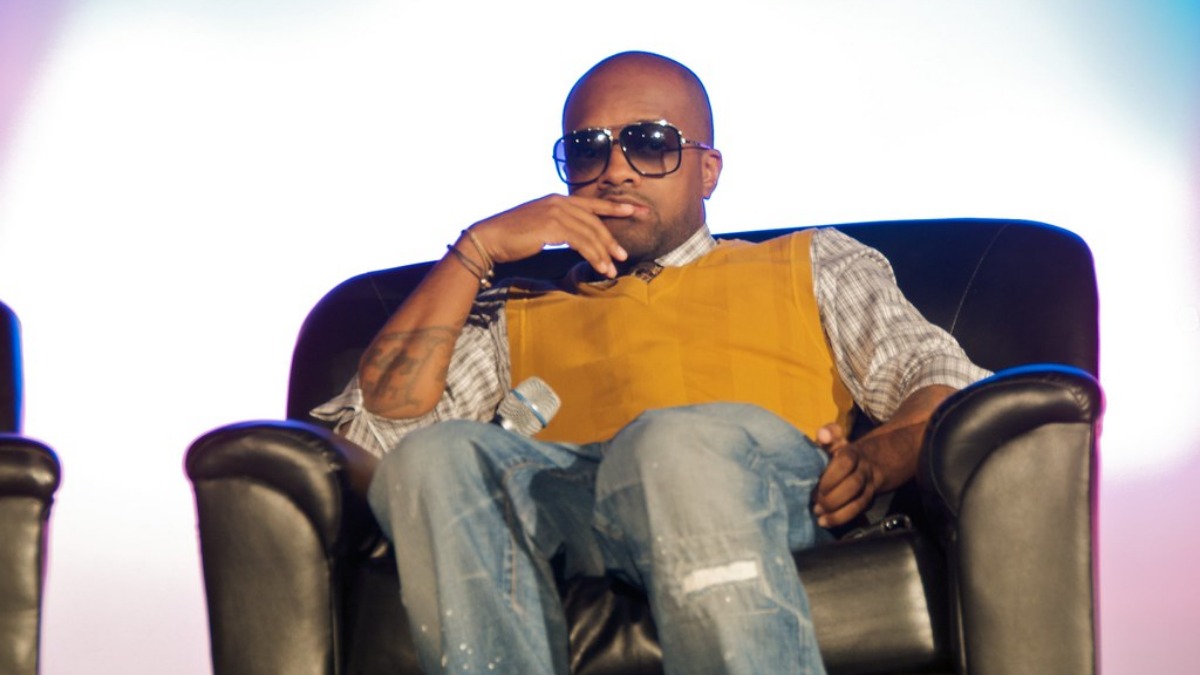
Jermaine Dupri just dropped a legal bomb on Sony Music, suing the label for $18 million over royalties he says they’ve been hiding for decades. According to the Rolling Stone, the Grammy-winning producer and founder of So So Def Recordings filed the lawsuit in Manhattan federal court, accusing Sony of “willful deceitful actions” to shortchange him on earnings tied to some of the biggest hits of the ’90s and 2000s.
If you’ve ever listened to Mariah Carey’s We Belong Together, Usher’s early bangers, or Kris Kross’ Jump, Dupri’s work is all over those tracks. He’s now saying Sony kept him in the dark about what he was really owed. The lawsuit, which spans 13 pages, lays out a pattern of alleged underreporting, hidden royalties, and even altered statements to cover up what Dupri’s team calls a “systemic” scheme. It’s not just about a few missed payments, either.
The complaint claims Sony stashed Kris Kross royalties in a separate accounting system for over 20 years, only revealing them in 2023 when Dupri’s team started digging. And even then, Sony reportedly handed over statements showing more than $30 million in foreign sales for Kris Kross’ first two albums, but still refused to pay the $2.2 million Dupri says he’s owed from those records.
It makes you question how many other artists have been lowballed
The lawsuit describes Sony’s actions as “contemptuous,” accusing the label of knowing it was violating contracts but never coming clean. The complaint even quotes the label’s own royalty statements to back up the claims, like the time Sony allegedly underreported more than $960,000 in producer royalties from Xscape’s 1993 debut album Hummin’ Comin’ At ‘Cha. That album went platinum.
According to Dupri, Sony treated one of So So Def’s accounts as more than $1.5 million in the red by 2020, despite the account generating over $1 million in revenue from 2020 to 2024. The label just kept applying an old negative balance, effectively freezing out Dupri’s earnings. It’s like if your bank kept telling you you’re overdrawn, even though your paychecks keep clearing, except in this case, we’re talking about millions of dollars.
The Kris Kross situation is especially wild. According to All Hip Hop, Dupri alleges Sony never reported producer or override royalties for the duo’s first two albums, Totally Krossed Out and Da Bomb, until 2023. For albums that dropped in 1992 and 1993. The lawsuit claims Sony tried to play dumb, saying it didn’t know those royalties had gone unreported.
But Dupri’s team isn’t buying it. How do you “accidentally” forget to pay someone for 30 years? The complaint also points out that Sony later amended royalty statements for Jagged Edge’s 1997 album The Jagged Era, but only went back to 2007, leaving decades of potential earnings unaccounted for.
This isn’t just about the money, though that’s a huge part of it
Dupri’s lawsuit frames this as a betrayal of a 32-year business relationship. He’s not some one-hit wonder or a flash-in-the-pan producer. The man was inducted into the Songwriters Hall of Fame in 2018 and won a Grammy in 2006 for co-writing music icon Carey’s We Belong Together, a song that’s racked up over 942 million streams on Spotify alone.
The lawsuit even notes that Dupri’s work with So So Def and other artists has generated more than $200 million in gross revenue over the decades. So when Sony allegedly starts cooking the books, it’s not just a financial hit. It’s a slap in the face to an artist who helped shape the sound of an entire era.
Dupri’s team says the issues came to light during a 2025 desk audit by Gelfand, Rennert & Feldman, a firm that specializes in royalty disputes. That audit apparently uncovered the alleged underreporting and hidden funds, leading to the current legal battle. And while Dupri is asking for at least $18 million in damages, the lawsuit makes it clear this might just be the tip of the iceberg.
The complaint suggests that Sony’s shady practices could extend to other artists and deals, meaning the final tally of what’s owed could climb. If that’s the case, this lawsuit might just be the first domino to fall in a much larger reckoning for the music industry’s royalty practices.
Other major labels have faced similar accusations
The music industry has a long, messy history of artists and producers fighting for their fair share, from Prince’s battles with Warner Bros. to Taylor Swift’s public feuds over master recordings. But Dupri’s case stands out because of the sheer scale of what he’s alleging. We’re talking about millions of dollars tied to some of the most iconic songs of the last 30 years. And if Dupri’s claims are true, it’s not just a breach of contract; it’s a breach of trust.
Sony hasn’t responded publicly yet, and Dupri’s lawyer declined to comment when reached by email. But if the lawsuit moves forward, it could set a major precedent for how royalties are handled in the industry. For artists and producers, it’s a reminder to keep a close eye on their contracts and statements.
For fans, it’s a wake-up call about the business side of the music we love. Those streams, sales, and radio plays don’t just disappear; they’re supposed to end up in the pockets of the people who created them. When that doesn’t happen, it’s not just bad business. It’s a violation of the creative process itself. Dupri’s asking for a jury trial, and if this case goes the distance, it could force Sony, and maybe other labels, to open their books in a way they’ve never had to before.
(Featured image: jdlasica)
Have a tip we should know? [email protected]
Follow The Mary Sue:
