


Ex-Trump DOJ official spills the tea on the ‘Weaponization Working Group’ and it’s even more of a clown show than we thought
Weaponization of justice.
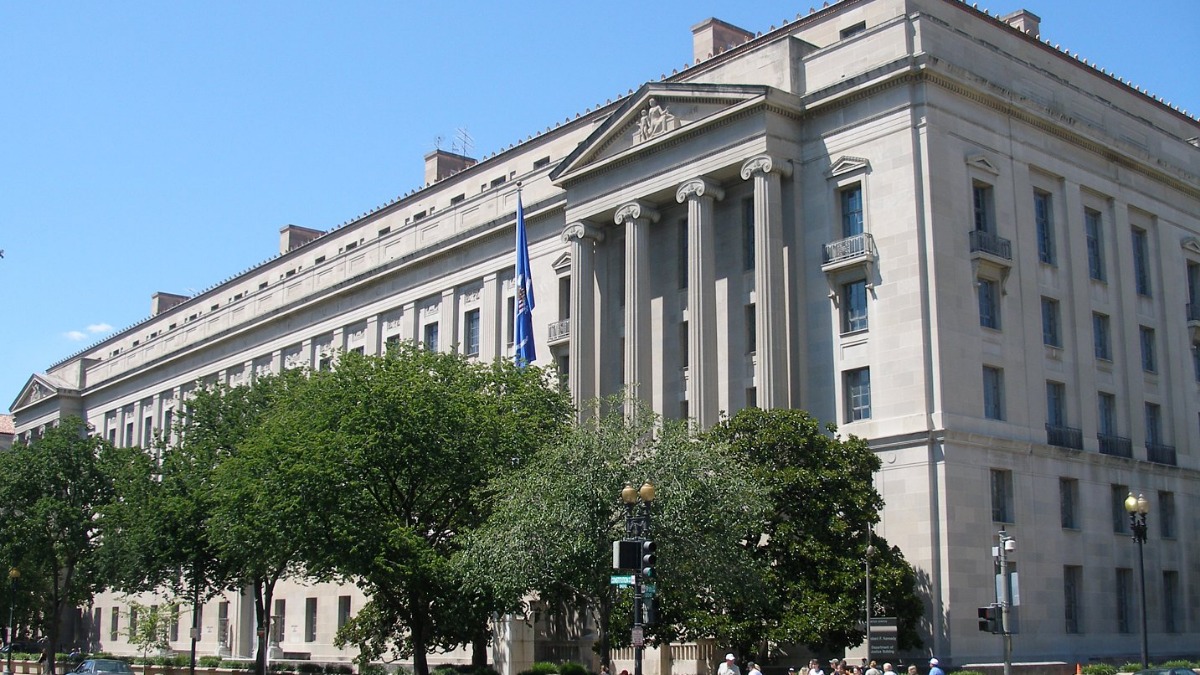
Former Department of Justice (DOJ) official Jonathan Gross just pulled back the curtain on the so-called “Weaponization Working Group,” and what he’s describing is a total mess. In a recent interview with former January 6 defendant Brandon Straka on YouTube, Gross didn’t hold back. He called the group a dysfunctional sideshow with no real plan, no resources, and a leadership team that allegedly sabotaged its own mission.
According to NPR, Gross, a former rabbi turned lawyer with zero criminal defense experience before taking on Jan. 6 cases, joined the DOJ’s civil rights division last summer. His appointment was celebrated by Trump allies. But Gross’ time at the department quickly soured. He claims the Weaponization Working Group, formed under former Attorney General Pam Bondi to investigate alleged politicization of federal law enforcement, was a joke from the start.
According to Gross, the group had “no budget, no staff,” and barely met. Its original goal was to dig into what Gross and others saw as abuses by the FBI and prosecutors during the Jan. 6 investigation.
Over a year later, there’s still no report, no findings, and no real progress
Gross and another former member, Jared Wise, a Jan. 6 defendant himself, have both left the administration, and Wise recently posted on X that the DOJ and FBI “don’t comprehend the damage they’re doing to J6 defendants.” Gross fired back with a blunt response: “They comprehend. They just don’t care.”
Gross says the working group has apparently pivoted away from Jan. 6 entirely, now focusing on reports of alleged anti-Christian bias and protests at local school board meetings. Meanwhile, former Jan. 6 defendants are still pushing for what they call the “three Rs”: reparations, revenge against prosecutors, and revelations to back up conspiracy theories that the riot was a federal setup.
Gross’ frustration with the DOJ boiled over when he started bringing former Jan. 6 defendants into the department’s headquarters. He says he wanted them to meet with Trump officials to discuss their cases, but his actions reportedly raised red flags. After what he described as “too many” visits or possibly “going into the wrong person’s office,” Gross says he was called into a meeting with Assistant Attorney General for Civil Rights Harmeet Dhillon.
“She called me in and she said, ‘You can’t do this,'” Gross recounted. “And I said, ‘These people are victims of weaponization. This is what I’m here for.'” Shortly after, he was sidelined. He was placed on paid leave, moved to a different office, and given what he called “menial” tasks before ultimately leaving the department.
Since his departure from the DOJ, Gross has been on a public tirade against Todd Blanche
Acting Attorney General Todd Blanche, who took over after Bondi’s ouster. Blanche has overseen a flurry of high-profile moves, including indicting the Southern Poverty Law Center (SPLC) over its use of paid informants in extremist groups and charging former FBI Director James Comey over an Instagram post of seashells arranged to look like the numbers “8647.”
The DOJ claims the post was a criminal threat against Trump. Comey has denied any wrongdoing, and Gross isn’t impressed with the case. “This is a very sloppy job,” he told Real America’s Voice, predicting the charges would be tossed. The SPLC, for its part, says it will “vigorously defend” itself.
Gross has gone even further, accusing Blanche of sabotaging Bondi to take her job. “Todd Blanche was in charge for over a year and sabotaged Pam Bondi so he could swoop in and take her job,” he said. “Nothing stopped Blanche from dropping these indictments while Bondi was there.”
Gross has also taken shots at the broader direction of the DOJ, particularly under the current administration. The working group’s shift away from Jan. 6 cases has left many former defendants feeling abandoned. Some are still pushing for financial settlements, revenge against prosecutors, and evidence to support their claims that the riot was a federal setup. Gross is more focused on exposing what he sees as incompetence and betrayal within the department.
His criticism hasn’t come without risks
Gross has admitted he’s worried about retaliation but says he’s willing to speak out anyway. “I just think it would be very ironic if they came after me,” he told Straka. “But I’m willing to do it.” For now, he’s keeping the pressure on, calling for a “different direction” in the DOJ and warning supporters not to be fooled by Blanche’s moves.
The bigger picture here is that the Weaponization Working Group was supposed to be a serious effort to hold the previous administration accountable for what Trump allies saw as politicized prosecutions. Instead, it sounds like a half-baked operation with no real structure, shifting priorities, and a leadership team more interested in performative indictments than actual results.
If Gross is to be believed, the group was doomed from the start, not because of external opposition, but because of internal dysfunction. Gross’ public campaign against Blanche and the DOJ’s handling of Jan. 6 cases shows no signs of slowing, even if it means burning bridges.
For former defendants and Trump supporters hoping for accountability, his revelations might feel like validation. For everyone else, it’s just another sign of how chaotic things have become inside the department. Either way, the “Weaponization Working Group” is shaping up to be one of the bigger clown shows in recent political memory.
(Featured image: Unknown)
Have a tip we should know? [email protected]
Follow The Mary Sue:
