


‘Will finally end’: Donald Trump just threatened to erase a whole civilization
Wait, isn’t that a war crime?
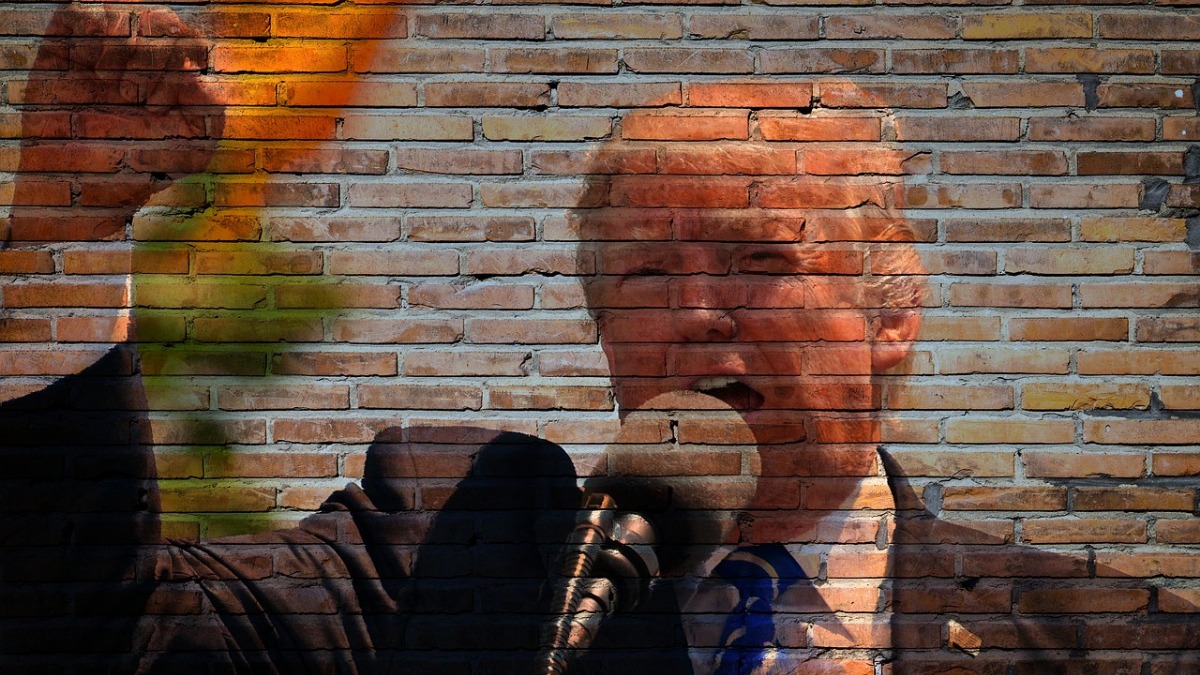
President Donald Trump announced a two-week ceasefire with Iran on April 7, 2026, just hours after posting a chilling message on Truth Social that warned of an entire civilization’s demise. This temporary halt to hostilities came about 90 minutes before a final deadline the president had set for Iran to reach an agreement with the United States, effectively pausing what had become an incredibly tense standoff.
According to NBC, that morning, Trump had posted a truly alarming message on Truth Social, stating, “A whole civilization will die tonight, never to be brought back again. I don’t want that to happen, but it probably will. However, now that we have Complete and Total Regime Change, where different, smarter, and less radicalized minds prevail, maybe something revolutionarily wonderful can happen, WHO KNOWS?”
He continued, “We will find out tonight, one of the most important moments in the long and complex history of the World. 47 years of extortion, corruption, and death, will finally end. God Bless the Great People of Iran!” This post was the latest in a series of extremely strong statements he had been making about Iran, coming amidst the US-Israeli war on Iran which began on February 28, 2026.
The ceasefire decision stemmed from diplomatic efforts of various nations
Trump stated in another post, “Based on conversations with Prime Minister Shehbaz Sharif and Field Marshal Asim Munir, of Pakistan, and wherein they requested that I hold off the destructive force being sent tonight to Iran, and subject to the Islamic Republic of Iran agreeing to the COMPLETE, IMMEDIATE, and SAFE OPENING of the Strait of Hormuz, I agree to suspend the bombing and attack of Iran for a period of two weeks.”
This condition about the Strait of Hormuz highlights a central point of contention. The strait is an incredibly vital shipping route, and about a fifth of the world’s oil and natural gas usually passes through it. Its disruption has been a major concern for global trade and energy supply.
Prior to the ceasefire announcement, Trump had repeatedly threatened severe action if Iran did not reopen the strait. He had extended the deadline multiple times for Iran to reopen the crucial route, finally setting 8 PM ET on April 7 as the absolute last chance for a deal.
In a post on April 5, the president had warned of targeting Iran’s power plants and bridges if the strait remained closed by the Tuesday deadline, using expletives and invoking Islam in his message. This was just one example of his escalating threats against Tehran. He had previously warned of bombing the country into “the Stone Ages” and had referred to the Iranian government as “crazy b——” while demanding the opening of the key shipping route.
At a news conference on April 6, Trump said the U.S. had a plan “where every bridge in Iran will be decimated by 12 o’clock tomorrow night, where every power plant in Iran will be out of business — burning, exploding and never to be used again.” He had also spoken by phone with Bret Baier earlier on April 7, confirming that the 8 PM deadline was “happening” and that if negotiations didn’t progress, there would be “an attack like they have not seen.”
Trump’s threat sparked immediate and fierce condemnation from Democrats
House Minority Leader Hakeem Jeffries issued a joint statement with his leadership team, saying, “Donald Trump is completely unhinged. His statement threatening to eradicate an entire civilization shocks the conscience and requires a decisive congressional response.” He urged the House to reconvene and vote to end what he called a “reckless war of choice.”
Senate Minority Leader Chuck Schumer and a group of Democratic ranking members from key Senate committees also issued a joint statement, warning Trump that he “must not follow through on this threat.” They emphasized that intentionally destroying civilian infrastructure would constitute a war crime and a moral failure.
International law experts largely agreed with the Democrats’ concerns. Kenneth Roth, the former executive director of Human Rights Watch, stated that Trump was “openly threatening collective punishment, targeting not the Iranian military but the Iranian people.” He explained that collective punishment of civilians during armed conflict is a direct violation of the Fourth Geneva Convention.
Roth also pointed out that “Attacking civilians is a war crime. So is making threats with the aim of terrorizing the civilian population,” suggesting that threatening to commit a war crime could itself be considered a war crime under international humanitarian law.
Senator Elissa Slotkin, a Democrat from Michigan and a former CIA analyst, also warned that targeting civilians on a mass scale “would be a clear violation of the law of armed conflict as laid out in the Geneva Conventions, as well as the Pentagon’s Law of War Manual.” She reiterated her calls for service members to refuse illegal orders.
The response from top Republicans in Congress was noticeably quieter
The offices of House Speaker Mike Johnson and Senate Majority Leader John Thune did not reply to requests for comment. The official Senate Republican X account published an unsigned post that stated, “Iran would be wise to take President Trump at his word. They can choose the easy way or the hard way.” This account is run by the staff of Republican Senator Tom Cotton.
Some figures typically aligned with Trump did voice concerns. Senator Ron Johnson, a Republican from Wisconsin, expressed a rare break with the president, stating, “I am hoping and praying that President Trump, that this really is bluster. I do not want to see us start blowing up civilian infrastructure.” While the ceasefire announcement provided a temporary reprieve, the outrage and shock caused by Trump’s threat remains fresh in people’s minds.
Have a tip we should know? [email protected]
Follow The Mary Sue:
