


The 10 Campiest Movies Ever Made
We love you, Mommie Dearest
Before getting into this list, we first need to define the word camp, a nigh-impossible task that has confounded Letterboxd critics and Twitter hot take-makers the world over. Flamboyant, extravagant, glamorous, and in exceptionally poor taste, these are the core tenets of the camp aesthetic. Now, there are levels of campiness, with the highest of high camp arguably being works of art that hit these criteria unintentionally. Essentially, camp is the epitome of “so bad it’s good.” Overwrought, overthought, overcomplicated, these films, love them or love to hatewatch them, are the 10 campiest movies in history.
Showgirls
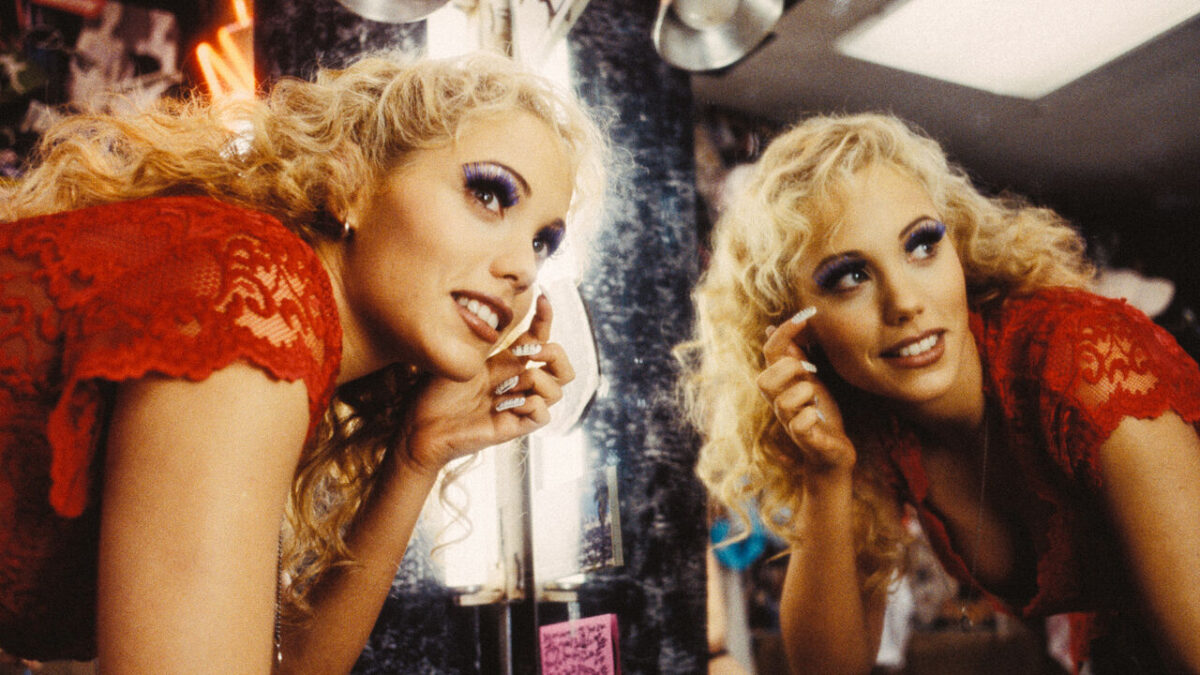
Director Paul Verhoeven is an underrated master of camp, better known for his equally campy sci-fi war film Starship Troopers. While Showgirls lacks in Starship Troopers‘ clever social satire, it makes up for it in sheer balls-to-the-wall hatewatchability. This is the story of Nomi Malone (incredible drag name btw), a young dancer who steps out onto the mean streets of Las Vegas with the hopes of becoming a star. This erotic drama soon unfolds with all the restraint and poise of a four-year-old on methamphetamine, as Nomi spends the first ten minutes of the film getting robbed, winning at slots, fighting a stranger who becomes her roommate, and almost getting hit by a car. It only goes downhill from there. From the jaw-droppingly wrong pronunciation of Versace (“It’s a Ver-sayse!”) to the scene where Nomi and her rival Cristal sit down to a fancy dinner and talk about the merits of eating dog food (no, I’m not making this up), Showgirls is without a doubt one of the wackiest, cringiest, and beautifully campiest films ever made. Was it bad on purpose? By accident? Only Paul Verhoeven knows for sure.
Mommie Dearest
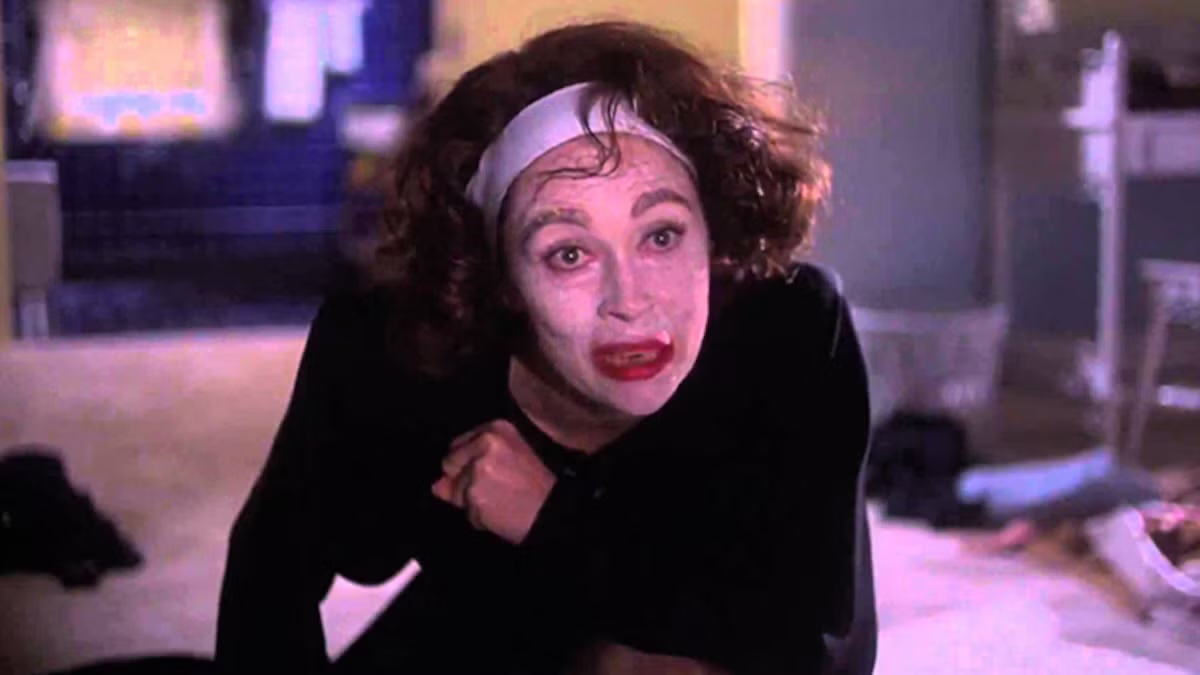
Child abuse isn’t supposed to be funny, but Frank Perry’s Mommie Dearest makes it an unintentional riot. A melodramatization of the life of gay icon Joan Crawford and her tortured relationship with her stepdaughter, Christina, this all-time camp great is the epitome of “so bad it’s good.” The reason? Two words: Faye Dunaway. Dunanway’s performance as Crawford feels like a drag impersonation, careening between twisted hysterics and raw, primordial rage. The seriousness of the film’s subject matter is completely undercut by its utterly ridiculous execution. It’s impossible not to grin in gleeful horror watching Dunaway’s Crawford deliver the famously unhinged line “NO! WIRE! HANGERS!” The film is a touchstone of queer culture, the blueprint for drag acts everywhere, and an Oscar-worthy performance of sheer awfulness that was immortalized the big screen.
The Rocky Horror Picture Show
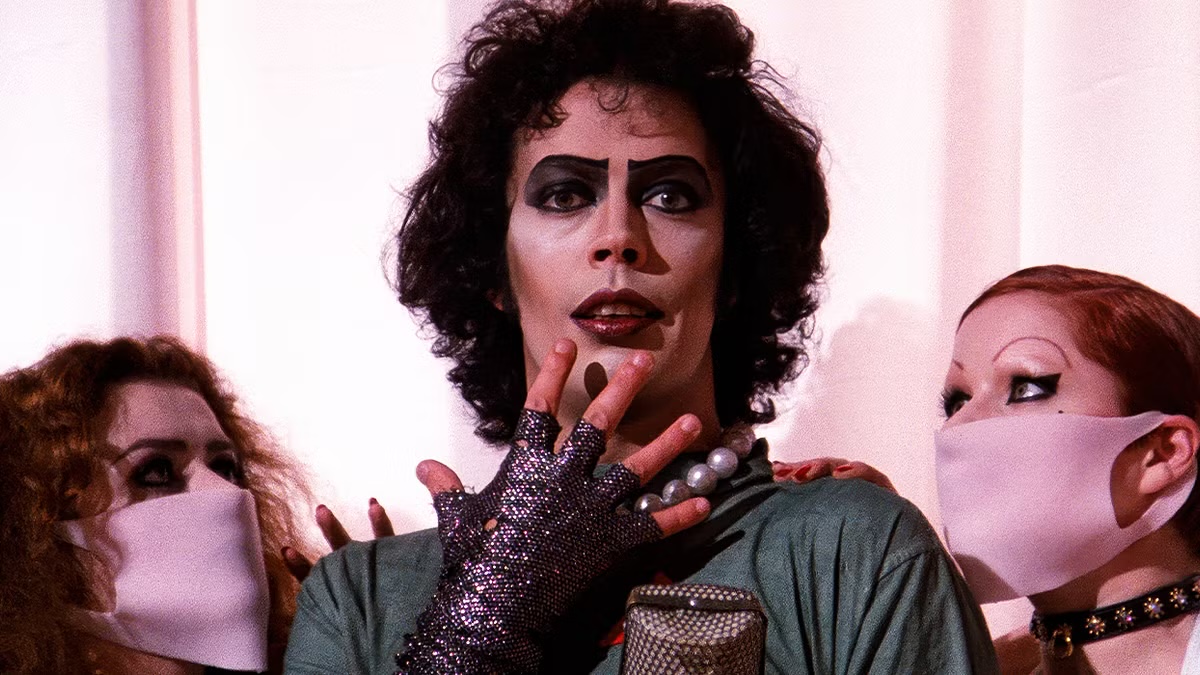
No conversation about camp is complete without a nod to Jim Sharman’s The Rocky Horror Picture Show. It’s the pinnacle of queer horror, a Grand Guignol of glitter and gore that inspired a generation of social outsiders. In a gay breakdown of the horrors of heteronormativity, comically straight newlyweds Brad and Janet are viewed by Rocky and his crew of carnival oddities as the truly weird ones. Combining musical theatre bangers with schlocky splatter and sci-fi antics, the film squirms its way out of any semblance of genre or categorization. It’s a blood-staining, rice-throwing, time-warping, scenery-chewing mess of a film that somehow results in a strange catharsis. Frank-N-Furter’s attempt to engineer the ultimate lover was doomed from the beginning, and although watching his ambitions come crumbling down is mostly hilarious, it’s also a little heartbreaking. Stylized drama stirring up real emotions? That’s camp.
But I’m a Cheerleader
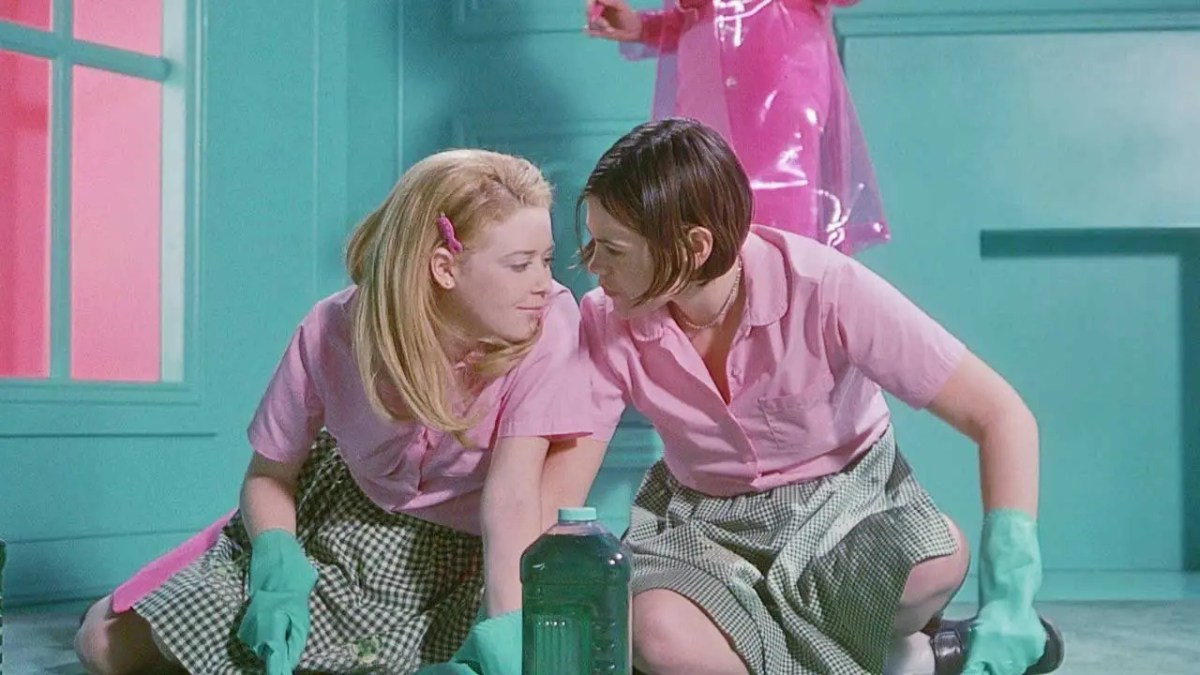
Like Mommie Dearest, But I’m a Cheerleader finds the hilarity in real-life horror, but the latter film does it intentionally. Some would argue that makes Jamie Babbit’s movie less camp, but I’d argue that the film’s appreciation for overwrought sapphic longing and Melissa Etheridge says otherwise. This is the story of Megan, a high school cheerleader (already peak camp) whose conservative parents send her away to a conversion therapy camp. Her subsequent romance with fellow camper Graham is stylized to the nth degree, with the girls eyeing each other’s lips while clad in pastel colors, scrubbing matching pastel floors. An essential quality of camp is irrelevance, and the film’s two middle fingers raised to compulsive heteronormativty is a qualification alone. The scene where they put a guy in a literal doghouse for kissing another guy? Also peak camp.
Death Becomes Her
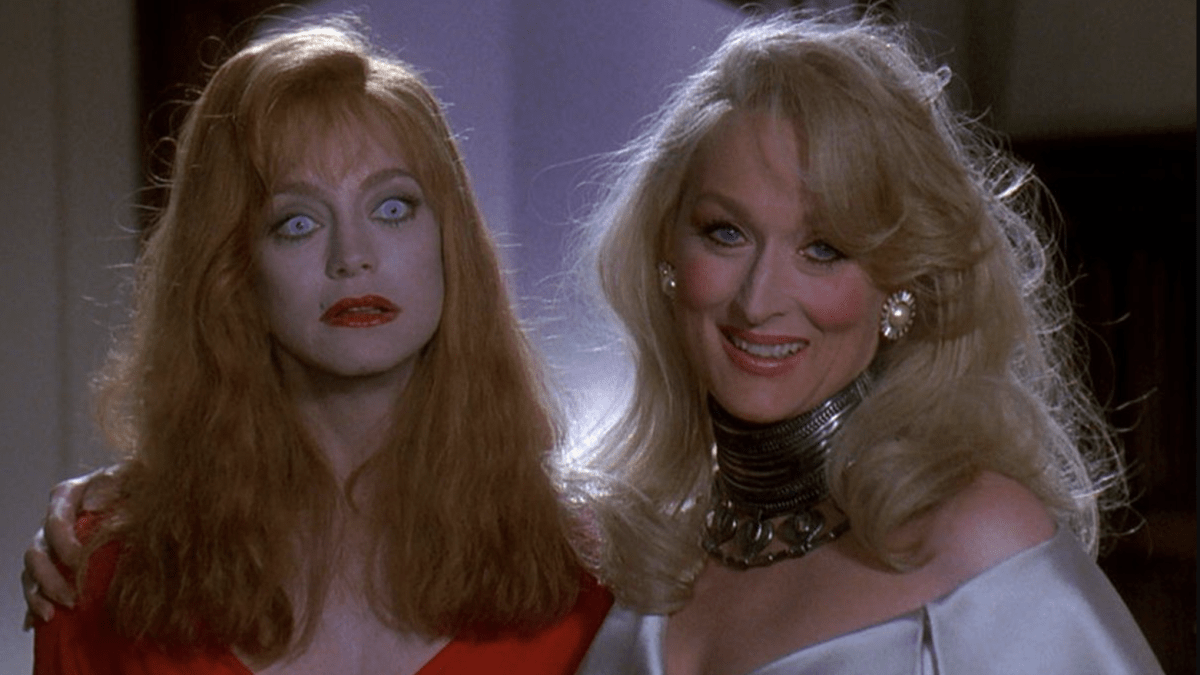
Robert Zemeckis’ Death Becomes Her takes a serious thing, the fear of ageing, and makes it woefully unserious with the help of a magic potion that grants eternal youth. Arguably the blueprint for also arguably campy The Substance, Death Becomes Her pits modern gay icon Meryl Streep against the legendary Goldie Han in a battle to see who can seduce Bruce Willis. The results are the stuff of genre greatness. Nothing says “camp” like watching two undead socialites smack each other in the head with a shovel, one goading the other with an “en garde, b*tch.” It’s grotesque, it’s glorious, it’s glamorous, and it’s even been adapted into a Broadway Musical, cementing its all-time-great camp status forever.
Whatever Happened to Baby Jane?
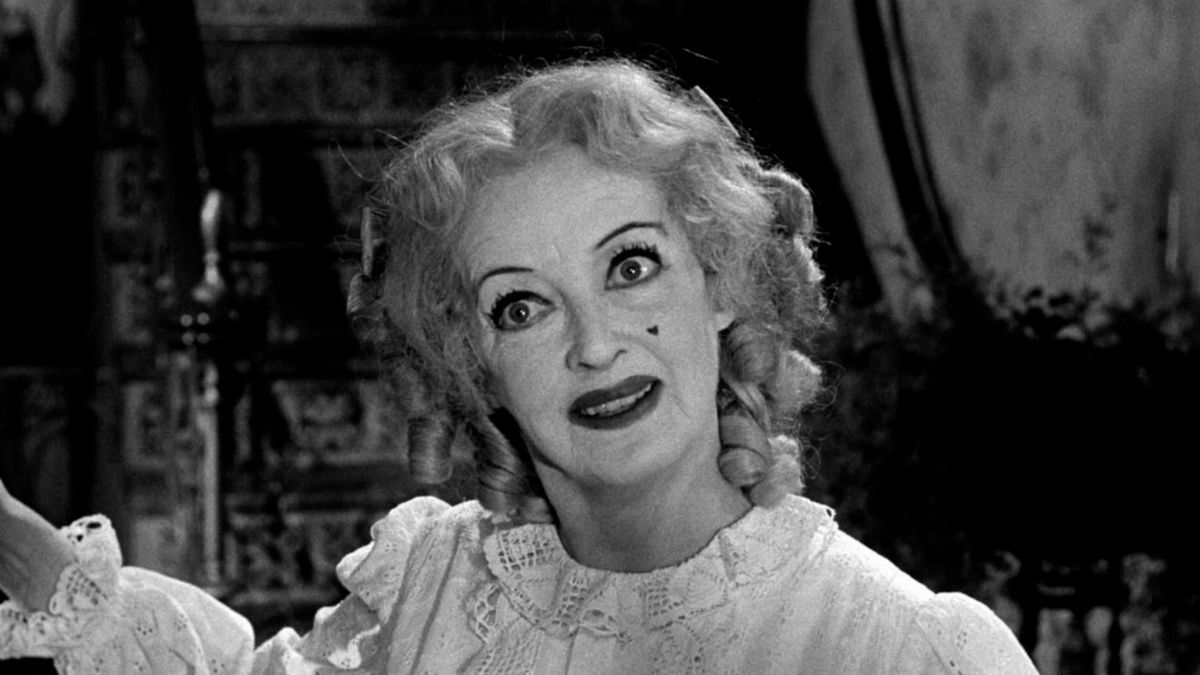
Robert Aldrich’s Whatever Happened to Baby Jane? is a curious one. It’s unabashedly camp, but it’s also a genuinely great film. It’s an all-time great, ironically and seriously? How is this possible!? Joan Crawford and Bette Davis, that’s how. These two queer icons are cast as a pair of once-famous sisters now confined to a rotting Hollywood mansion waiting for a career revival that will never come. It’s camp classic Sunset Boulevard (we’ll get to her) all over again! Bette Davis as Baby Jane is the definition of horror camp, a crazed, aging child star who delivers her lines with the dead-eyed sincerity of a little girl. The tortured relationship between Jane and her sister Blanche was further campified by the film’s clever marketing campaign, which played up the real-life bad blood between Davis and Crawford. Do these two actresses actually hate each other, or is it all just a part of the show? The fact that you have to ask is peak camp.
The Wizard of Oz
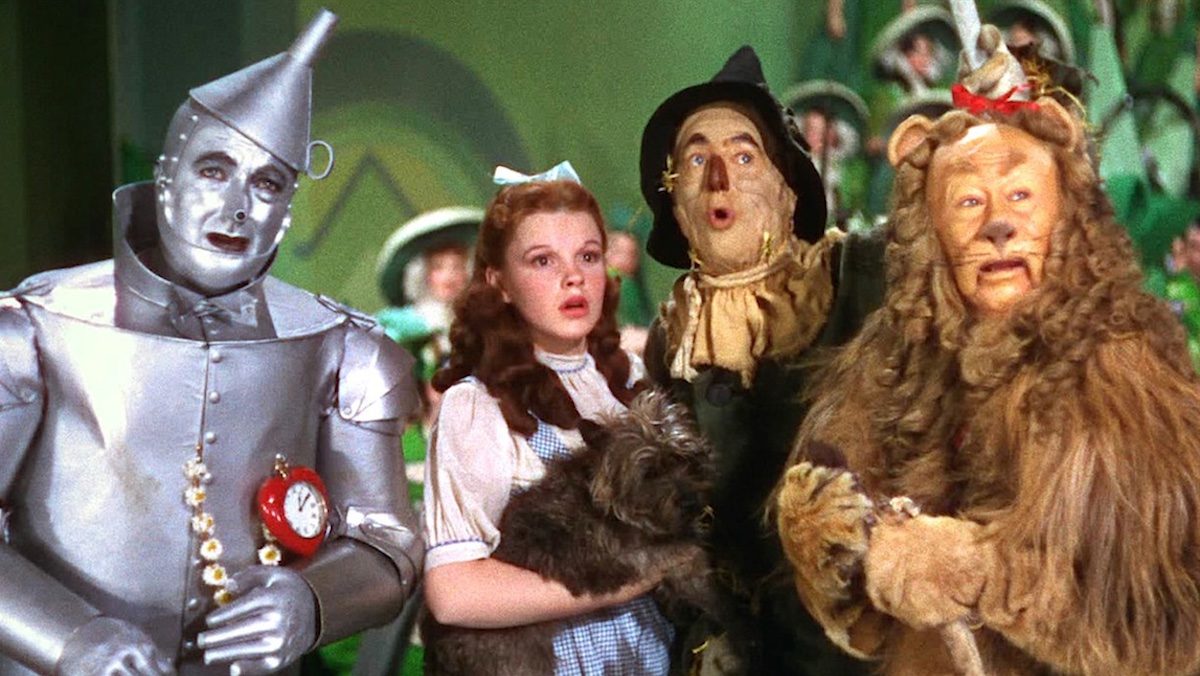
The Wizard of Oz is the gay blueprint, a cornerstone of queer culture that inspired generations. Everything about this movie is camp. The Technicolor visuals. The wacky costumes. The musical numbers. The flying monkeys. The fairy godmothers. The cackling witch. Judy Garland can’t even breathe without a cultural critic declaring, “THAT’S CAMP.” This film is arguably so campy that it loops back around into becoming serious and mainstream. I struggle to think of a single thing that isn’t campy about this great-grandmother of the aesthetic, but like the Cowardly Lion trying to get through a sentence without stuttering, I fail every time.
Cats
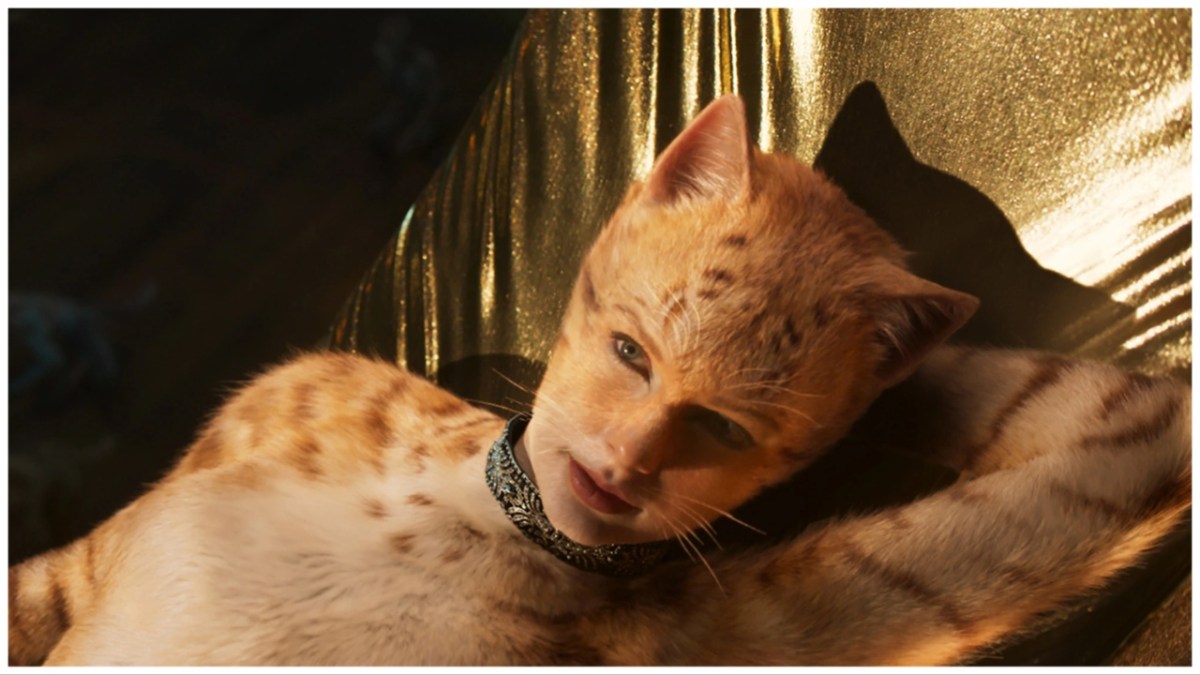
Mark my words, in a few short years, the cinematic coughed-up hairball that was Cats will be regarded as an unintentional camp classic. Tom Hooper’s disasterpiece of CGI deposited audiences squarely in the deepest crevice of the uncanny valley, and abandoned them there for 110 minutes. The cat special effects are just… yeah. What was charming from the nosebleed seats in a Broadway theatre in 1982 is downright horrifying seen a foot away through the hi-def lens of a film camera. The human/cat hybrids are baffling to look at. Why do their ears feel like they’re in the wrong place? And why do they have eyebrows!? The hissing and meowing cat-acting of this surprisingly star-studded cast certainly didn’t help audiences take the film seriously. And the puns. If one more cat person says “the cat’s out of the bag” with a knowing smile, I’m going to scream. Scream “THAT’S CAMP,” that is.
Pink Flamingos
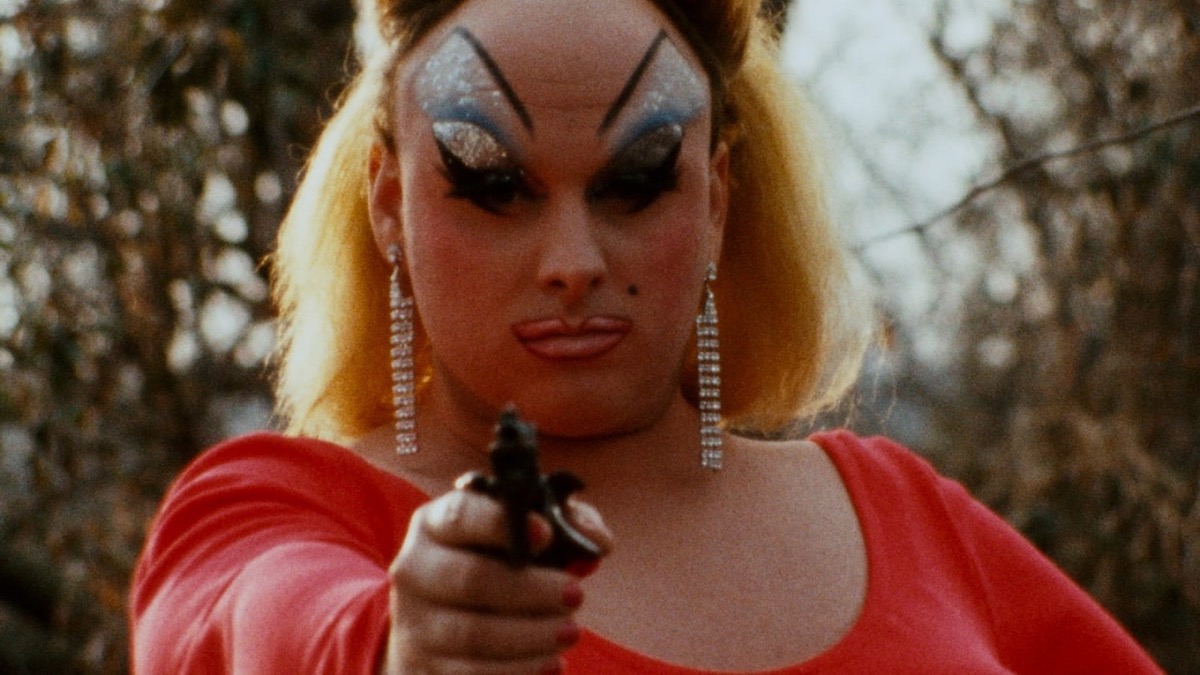
Made by the undisputed King of Camp, John Waters, Pink Flamingos is all glamour and grotesquerie. The film stars queer icon Divine as a criminal hailed as “the filthiest person alive,” and her arch-rivals are poised to challenge her for the title. Subtitled “an exercise in poor taste,” the film delivers exactly what it promises. Murder. Cannibalism. Human feces sent through the mail. This film’s depravity knows no bounds. It’s a stomach-turning classic forever enshrined in the Library of Congress, a history fact which is somehow campy in and of itself. We’re not worthy, Divine. You were the campiest to ever camp.
Sunset Boulevard
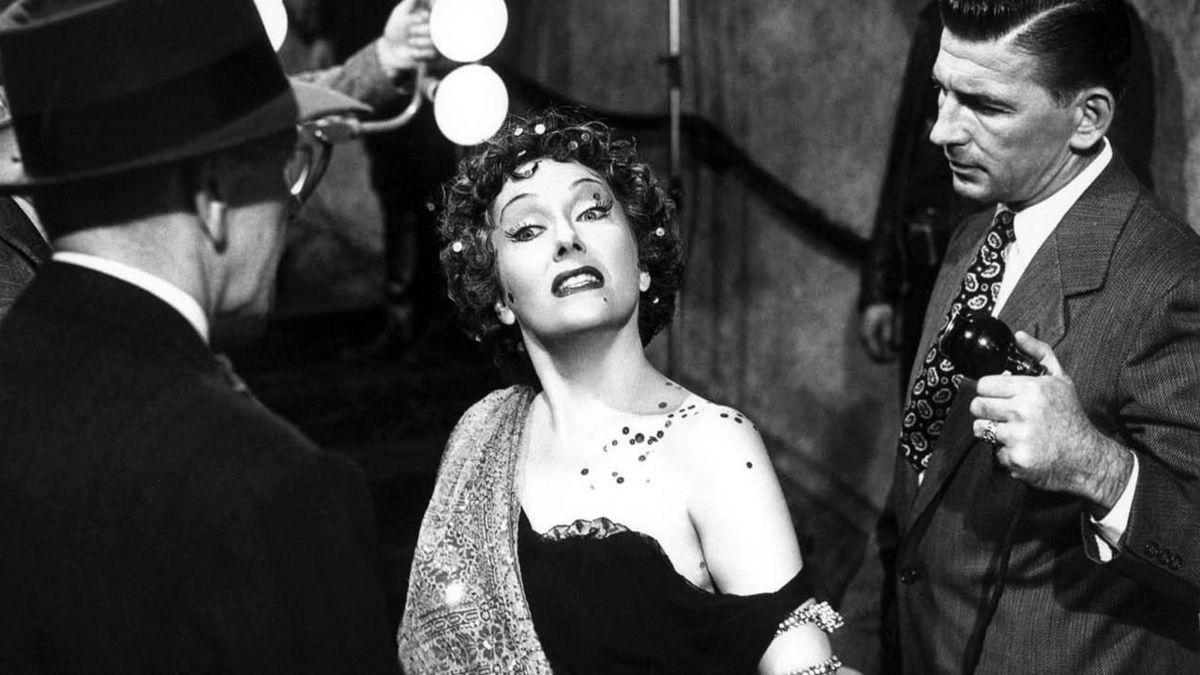
“Mr. Deville, I’m ready for my close-up!” Was there ever a campier line spoken? Gloria Swanson’s performance in Billy Wilder’s Sunset Boulevard may just be the pinnacle of the aesthetic. Swanson’s portrayal of fading Hollywood icon Norma Desmond is many things: glamorous, horrifying, hilarious, and utterly heartbreaking. Camp contains all of these emotional multitudes; it’s a heightened portrayal of the human condition. Desmond is the unhinged inner voice in all of us, the voice that demands attention, devotion, and love. She’s the ultimate embodiment of a universal truth: that each of us is the star of the show that is our own lives, and we all want that life to have meaning. Desmond, so unable to imagine the spotlight shining on anyone else, is the epitome of that human drama. And that, my friends, is camp.
(featured image: Paramount Pictures)
Have a tip we should know? [email protected]
Follow The Mary Sue:
