


Women across social media are connecting over a bizarre 3 AM wake-up, and the real reason is alarming
In this club, the party starts at 3 AM.
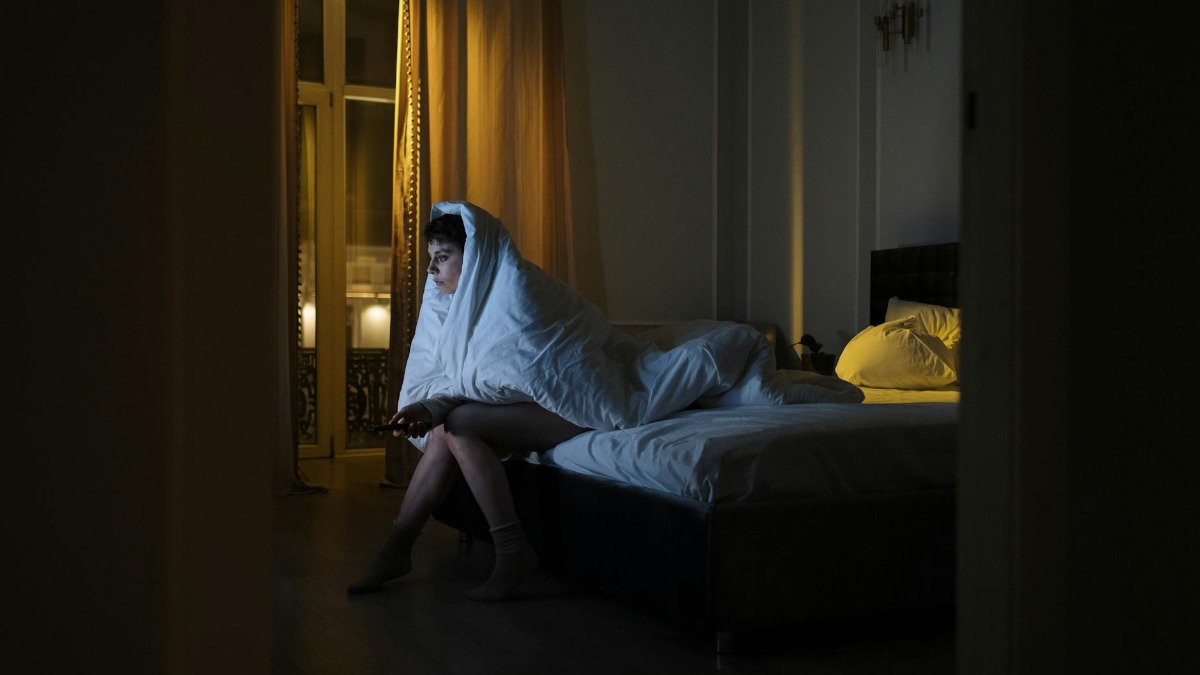
It turns out a lot of women are waking up at the same specific time in the middle of the night, and social media has helped confirm this bizarre, widespread phenomenon. Many folks have noticed they’re often up around 3 AM, and it seems perimenopause could be the unexpected culprit behind these nocturnal awakenings.
While getting up in the middle of the night isn’t exactly groundbreaking news, what’s truly striking here is the consistency of the timing. People are sharing their experiences, and it’s not just a general “woke up late at night” vibe. It’s almost universally 3 AM.
According to UNILAD, one woman recently took to X, asking, “How did 3am become the universal perimenopause wake up time?” And honestly, the replies were immediate and overwhelming. It seems she hit a nerve, because so many other women chimed in with their own 3 AM stories.
It’s wild to see such a specific, shared experience unfold in real-time online
Another user responded to the post, exclaiming, “Omg, right?! I’ll never have an uninterrupted sleep ever again.” Someone else echoed the sentiment, posting, “Wow, and I thought I was the only one awake at 3am.”
So, what’s the deal with 3 AM? One person on X offered a pretty solid explanation, pointing to “Hormonal fluctuations coupled with cortisol spikes around 3am.” Your body’s internal clock and hormone levels are doing their thing, and sometimes that means a rude awakening. Another person offered a more humorous, if less scientific, take, saying, “I think maybe that’s why 3-4am is called the witching hour as that’s when we allllll wake up p—- off, and want to destroy men.”
Medical experts are also weighing in on this specific timing. According to Harvard Health Publishing, “Waking up at 3am is a familiar phenomenon for women 55 and up because of biological and lifestyle factors.” They added, “Topping the list of reasons for older women’s 3am wake-ups are drastic drops in oestrogen and progesterone that accompany menopause.”
These major hormonal shifts really mess with sleep cycles, and those lovely vasomotor symptoms, like hot flashes and night sweats, often decide to make their grand appearance in the early morning hours. That’s definitely not great news if you want a good night’s rest.
It’s also worth noting that perimenopause can start a lot younger than you might expect
We often think of perimenopause as something that happens much later in life, but some women can experience it in their 30s. One woman shared her personal story on the X thread, writing, “Been there. Went through all that at 38. Didn’t get the memo that women that young could go through menopause until after I’d suffered for a few years.”
She also offered some helpful advice, suggesting, “Look into hormone replacement therapy. You have options and will feel more like yourself.” It’s a good reminder that if you’re experiencing these symptoms, there are paths to feeling better.
Perimenopause isn’t just about waking up at night, either. Its symptoms can cover a wide range of issues, including changes to your menstrual cycle, those famous hot flushes and night sweats, dizziness, headaches, and vaginal dryness.
On the mental health side, you might also experience depression, brain fog, a reduced sex drive, and some pretty intense mood swings. It’s a lot to deal with, and knowing that so many others are sharing the exact same 3 AM wake-up call might just make it feel a little less isolating.
Have a tip we should know? [email protected]
Follow The Mary Sue:
