


The 10 Darkest Moments in Kids’ Movies
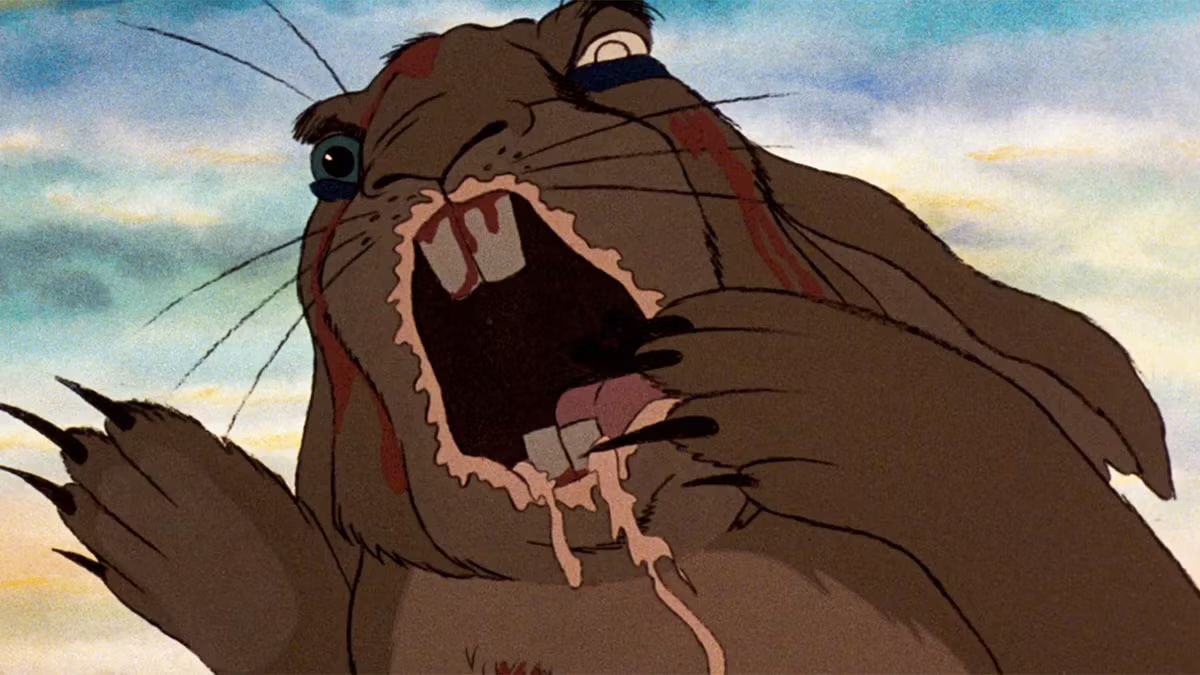
Generational trauma? We have that on home video. Children’s movies have caused lasting psychological damage to entire generations, turning moments of “family fun” into high-octane nightmare fuel. While modern-day kids’ films have toned down the darkness and drama, earlier entries were full-blown horror movies for middle schoolers. “PG” means “Parental Guidance Suggested,” and after a screening of these films, parents needed to guide their children straight to therapy. These are the 10 darkest moments in kids’ movies.
The Murder of that Poor, Sweet Little Cartoon Shoe — Who Framed Roger Rabbit
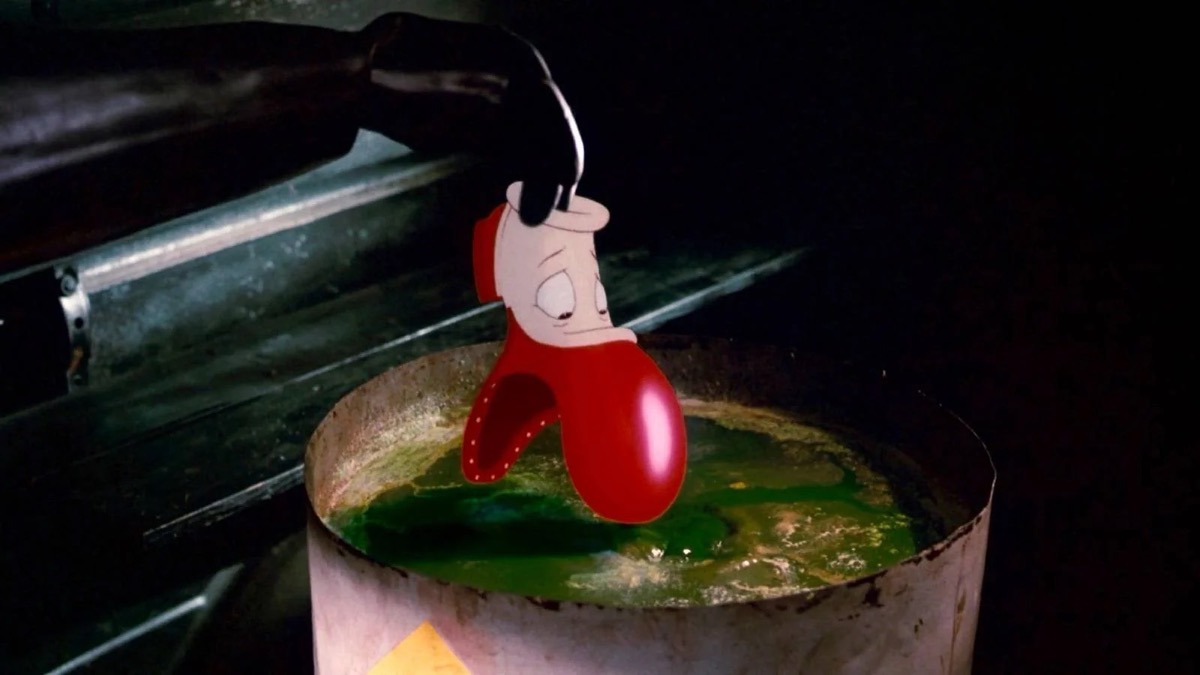
While many claim that the most traumatizing moment in Robert Zemeckis’s “family comedy” Who Framed Roger Rabbit\ was the horrifying reveal of Judge Doom’s true toon form, anyone who experienced the film’s terror firsthand knows that the shoe murder was the most disturbing part. To demonstrate the toon-killing power of “Dip” — a lethal combo of acetone, turpentine, and other nasty chemicals — Judge Doom dunks a sweet little cartoon shoe into the concoction, erasing the poor thing from existence. It’s not some inanimate article of clothing, but a squeaky little footwear critter that nuzzles up to people like a puppy. The sound of the poor thing’s terrified squeaks moments before the grisly end is seared into my brain, it actually makes me want to cry just thinking about it. You know it’s bad when you’re sobbing over a literal shoe, but yes, this piece of apparel’s death really was that bad.
The Swamp of Sadness — The NeverEnding Story
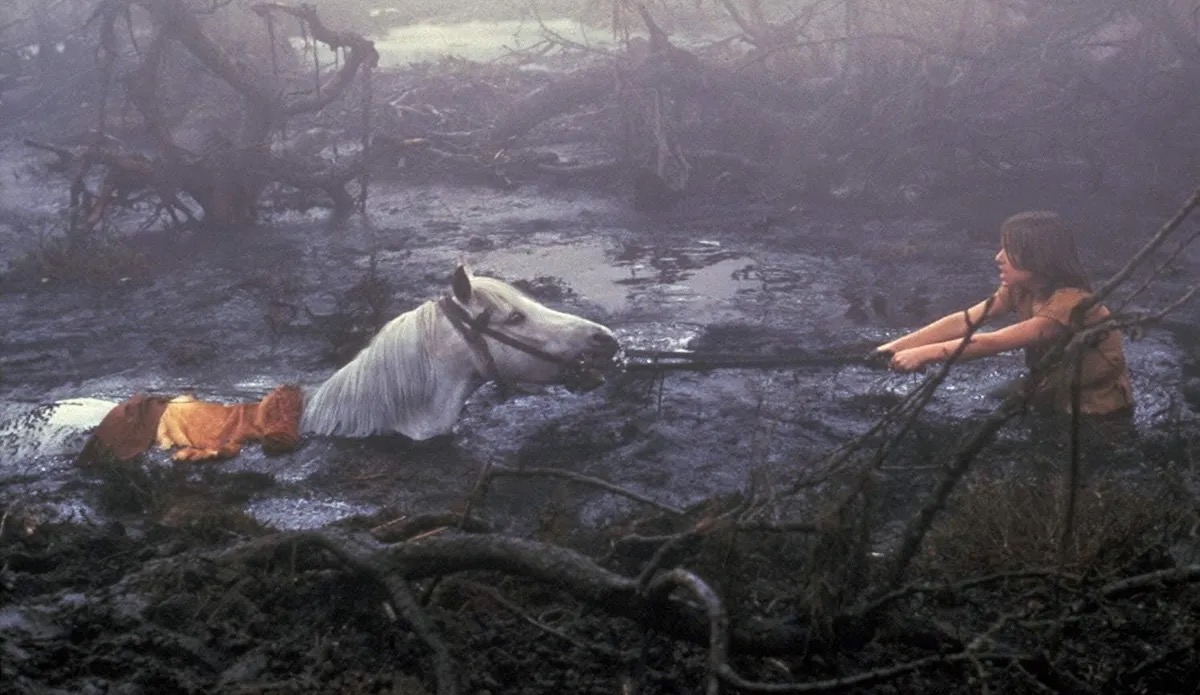
The NeverEnding Story is an existential horror film disguised as a kids’ movie, and the Swamp of Sadness sequence is the trauma-inducing cherry on top. Wolfgang Petersen’s film starts off as a relatively sweet and innocent story about a young warrior named Atreyu on a journey to save a sick princess, but once he pulls up to this proverbial bog of depression, all childhood trauma hell breaks loose. Mired in the Swamp of Sorrow, Atreyo’s horse Artax becomes overwhelmed by sorrow (I didn’t know horses could even get depressed) and loses the will to live, slowly sinking into the muck. It’s an agonizing death sequence. Artrax whinnies and cries, Atreyu screams and sobs, and all the children (and, let’s be real, adults) in the audience sobbed with him.
The Other Mother’s True Form Reveal — Coraline
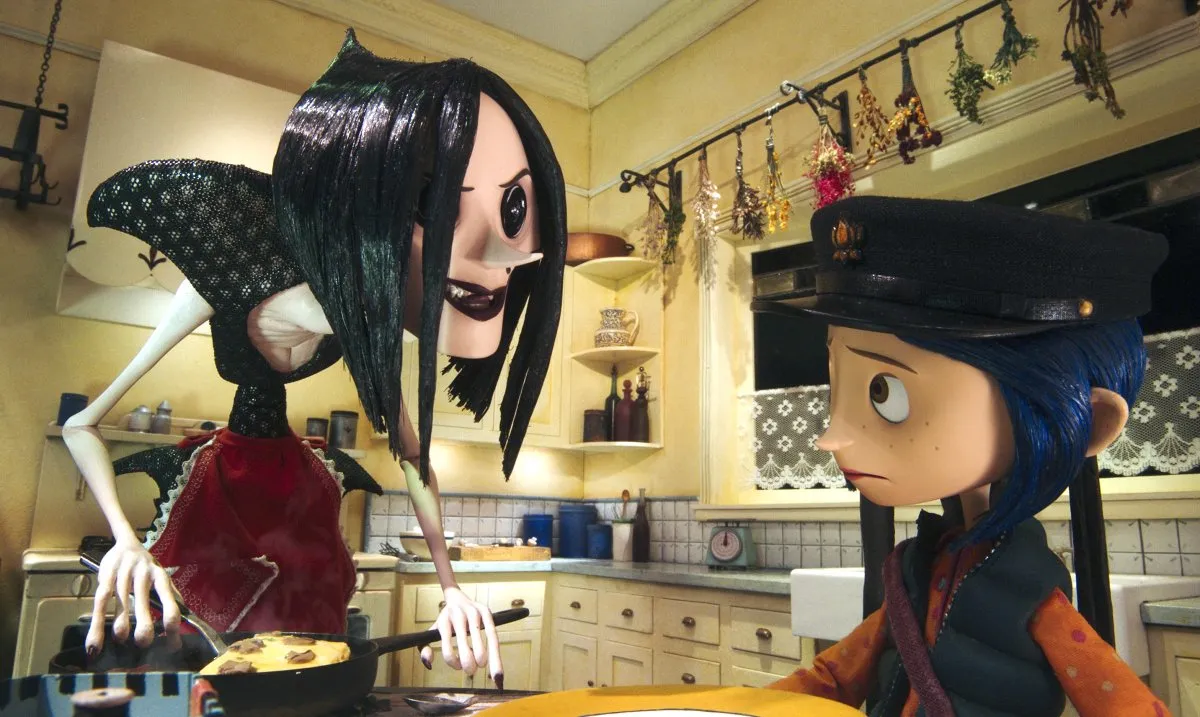
Henry Selick’s Coraline began about as creepily as any harmless Tim Burton flick. Don’t get me wrong, The Nightmare Before Christmas and Beetlejuice had some goosebump-inducing moments, but nothing to write home to your therapist about. Selick’s film quickly one-ups anything in Burton’s oeuvre once the true form of Caroline’s button-eyed “Other Mother” is revealed — she’s a freaky spider lady who looks like she stumbled her way out of a Pan’s Labryinth deleted scene. The most unsettling thing about the Other Mother is that she lulls young viewers into a false sense of security. She’s so fun! She sings songs! She genuinely seems warm and loving… until the buttons and sewing needles come out, that is. The shot of Coraline frantically crawling through the tunnel back into the real world while the Other Mother closes in behind her? That sequence could paralyze my sleep paralysis demon.
No-Face Eating Everyone and Everything — Spirited Away
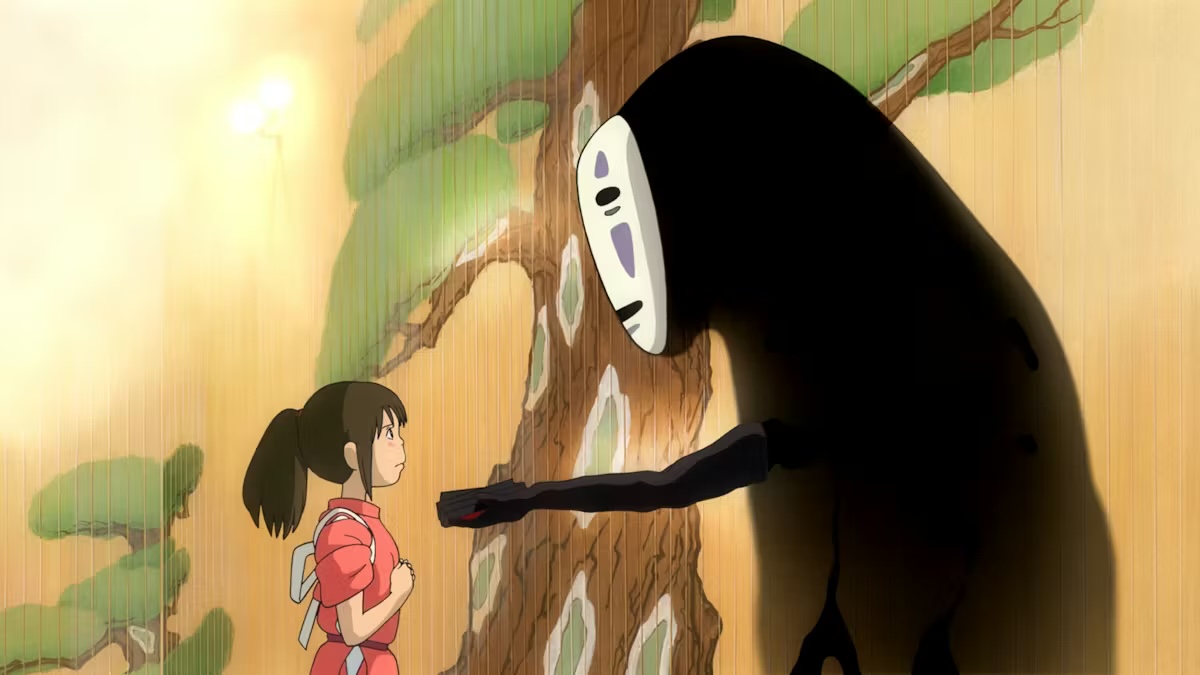
Hayao Miyazaki’s Spirited Away is a barrelful of childhood trauma. Chihiro’s pig-turned parents. Yubaba and her freaky giant baby. The gaggle of bathhouse ghosts. All contenders for freakiest creature! But the most terrifying of all is No-Face, the silent spirit that tempts with gold. No-Face is like a spectral anglerfish, luring greedy people in with riches before chowing down on them. While the apparition is initially kinda cute, No-Face soon transforms into a bloated mass of flesh, limbs, and one very large and hungry mouth. We’d all like to believe that we’re smart enough not to fall victim to No-Face’s temptations, but Chihiro’s parents fell for the oldest “free food” trick in the book. If a ghost offered me free gold in this economy, I’d probably take it too.
The Donkey Transformation — Pinocchio
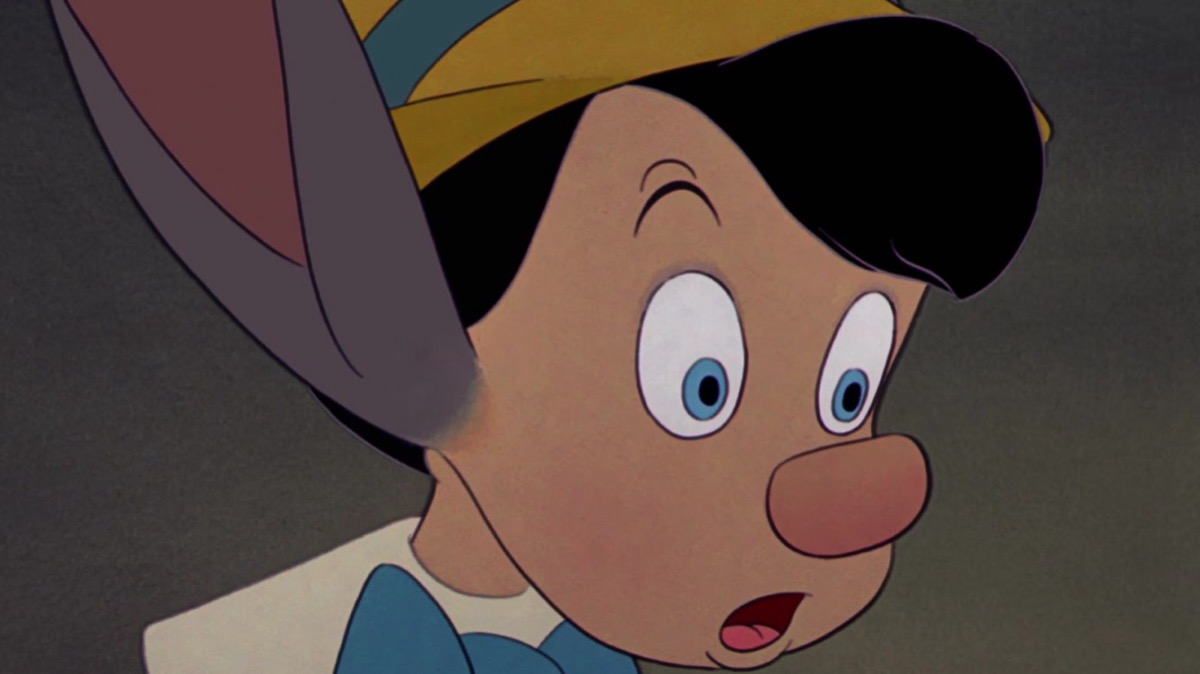
When it comes to traumatizing children, Disney has an impeccable track record. One of the most psychologically scarring moments comes in Pinocchio, when a young boy is horrifyingly transmogrified into a donkey. This poor kid was doomed from the jump. He and other kids like him were tempted to go to “Pleasure Island” under the false promise that they’d be allowed to break all the rules they want, which, when you’re a 12-year-old, is a pretty irresistible deal. Their secretly unsanctioned bad behavior triggers a curse, which slowly, painfully causes them to shapeshift into beasts of burden. The poor boy literally screams for his mother while sprouting donkey ears and hooves, and after the transformation is complete, he and other donkey-kids like him are sold into a life of endless servitude. We get it, it’s an ironic punishment for laziness, but did it have to be so cruel and unusual?
The Death of Bambi’s Mom — Bambi
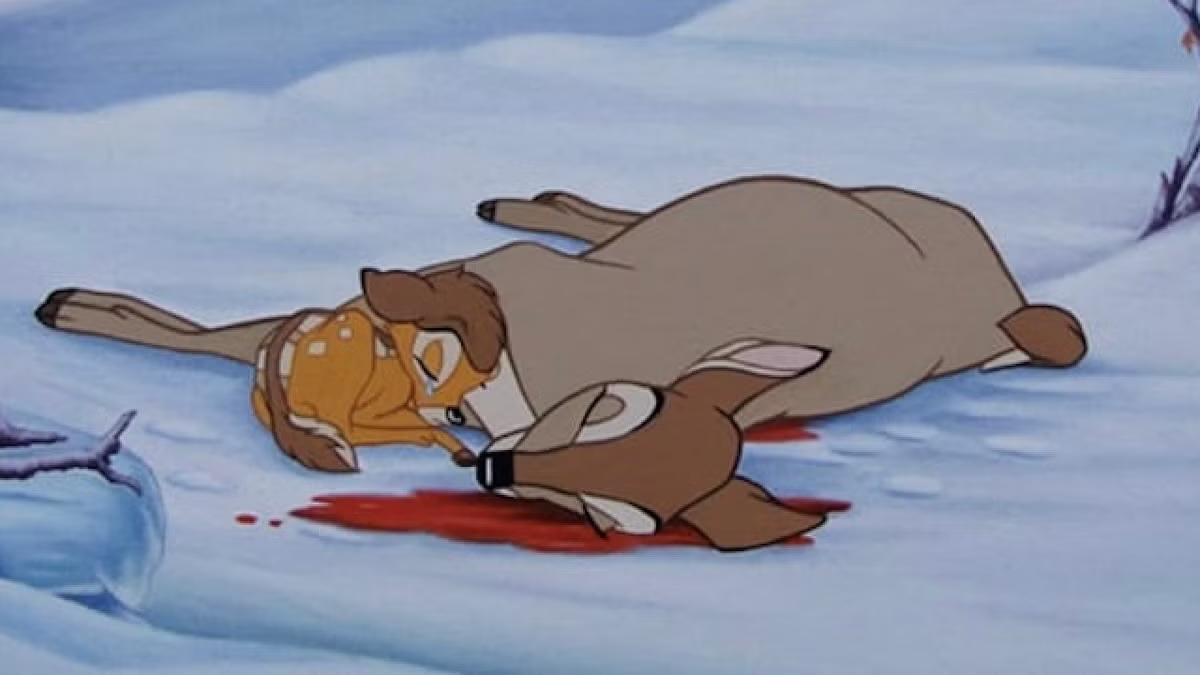
The poster child of childhood trauma, Bambi doesn’t need an introduction. A sweet and innocent baby deer was forced to watch his mom fall to a hunter’s bullet, a gruesome death that traumatized an entire generation. No child can recall this sequence without their eyes glazing over, their bright and hopeful gaze replaced with a Disney-induced thousand-yard stare. The death of Bambi’s mom marks a turning point in the film; it’s the moment when the young deer’s childhood comes to a violent end. For millions of young viewers, the death of Bambi’s mom served as a similar loss of innocence. Honestly, the harrowing hunting sequence is the only thing that many people remember about Bambi at all. That and the little skunk with the eyelashes, what an icon.
Mufasa’s Death — The Lion King
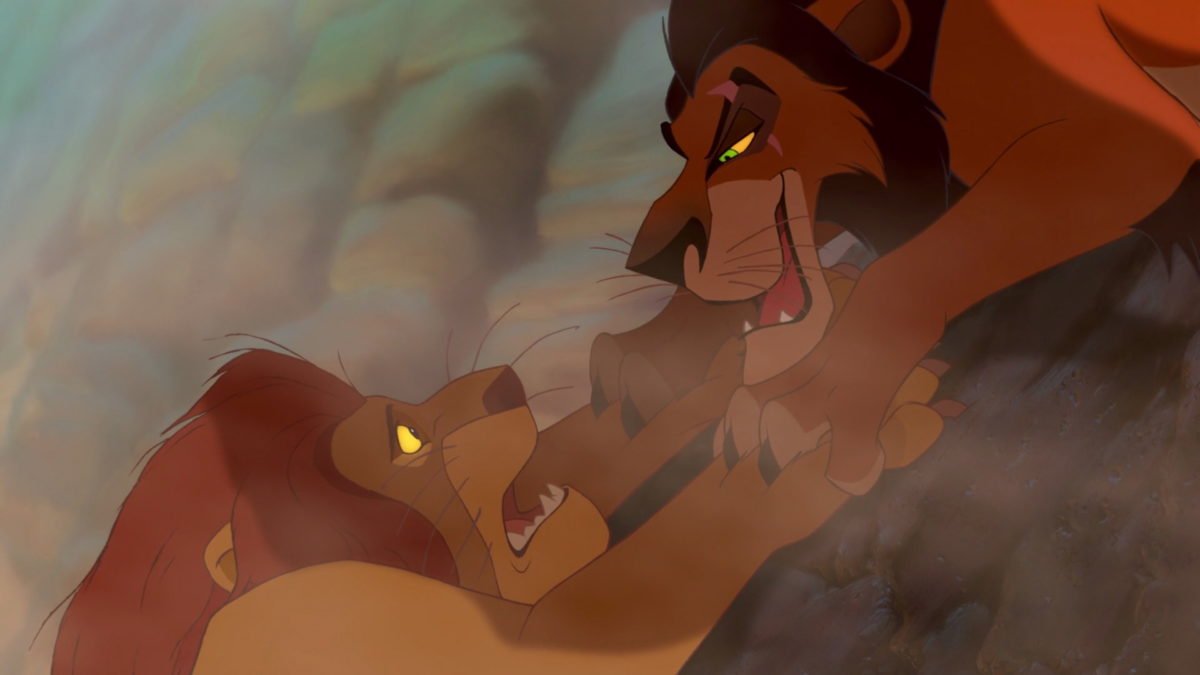
“Long live the king,” Scar’s final taunt to Mufasa before dropping him to his wildebeest-induced doom haunts a generation. It’s perhaps the darkest betrayal in any kids’ movie, and that list includes Edmund Pevensie selling out his siblings for some Turkish delight in The Lion, the Witch and the Wardrobe. And while the horror in Mufasa’s eyes as he realizes he’s going to die is traumatizing enough, the real kick in the tearducts comes when poor Simba stumbles upon his father’s lifeless body lying in the dust. “C’mon, you’ve got to get up, Dad” — I’m sobbing on the floor. Why is it so traumatizing? It introduced children to a gut-wrenching fact of life: many of us will someday watch our parents die, and there’s absolutely nothing we can do about it. For an 8-year-old who thinks mom and dad will live forever, that’s an even bigger kick in the tearducts.
The Incinerator — Toy Story 3
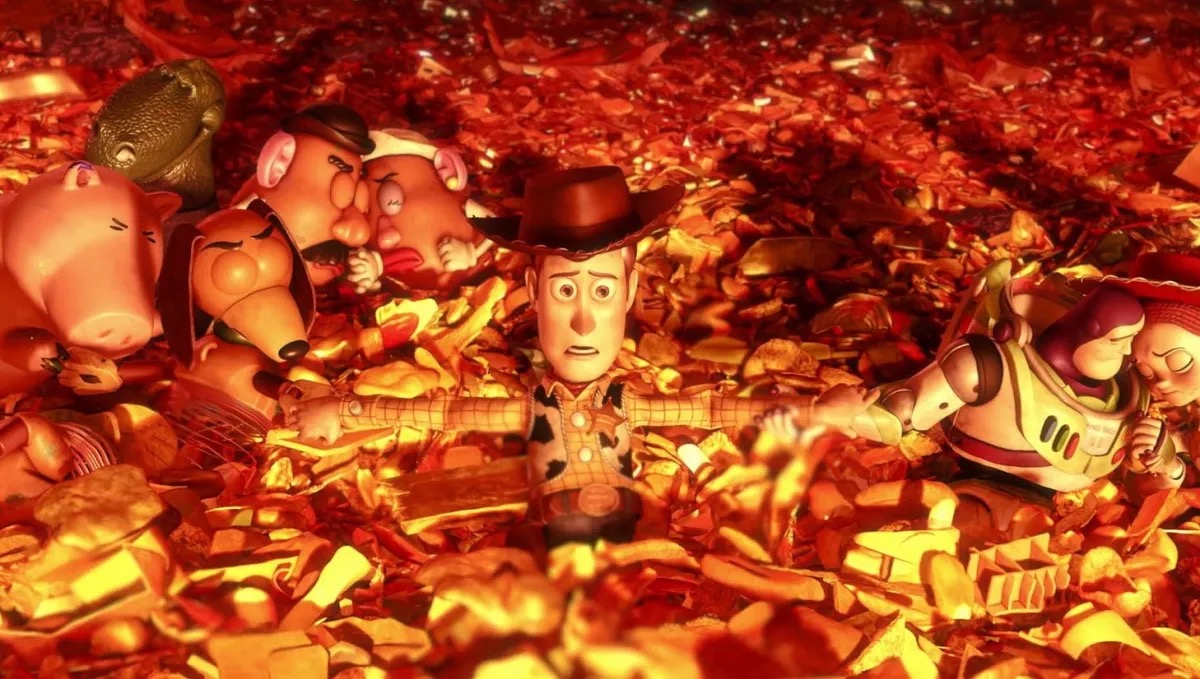
Watching a group of toys contend with their own mortality is the stuff that childhood bad dreams and Academy Award winners are made of. In an animated sequence that should have resulted in Best Animated Actor nominations all around, Andy’s toys face down fiery doom in the belly of an industrial incinerator. The most traumatizing moment isn’t the sight of the incinerator itself; it’s the sight of hope leaving the eyes of Woody, Rex, and friends. When they all joined hands and accepted the end, there wasn’t a single dry, untraumatized eye in any movie theatre.
Clayton’s Hanging — Tarzan
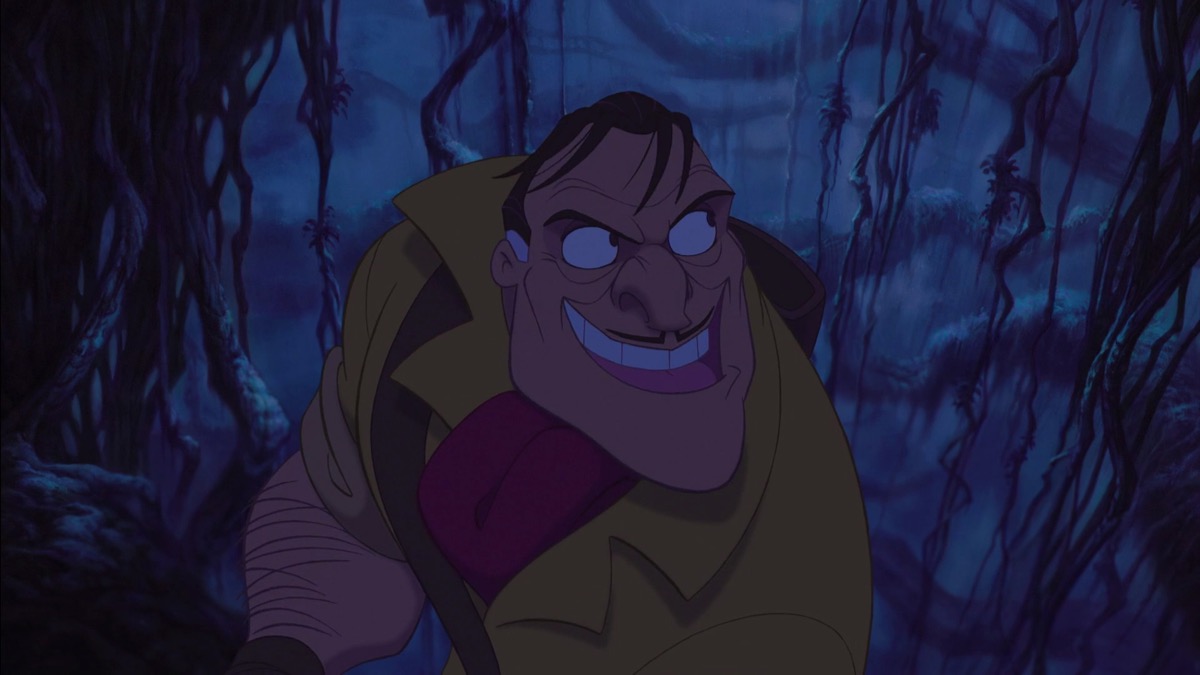
As far as Disney films go, Tarzan is thoroughly underrated. It’s got an amazing story, a banging soundtrack, and an unparalleled potential for causing trauma. The discovery of the leopard-mauled corpses of Tarzan’s mom and dad was bad enough, but Clayton was another therapy-inducing thing altogether. Unlike most other Disney villains, Clayton wasn’t charming. He didn’t have a show-stopper song like Scar, he didn’t zing one-liners like Hades, his thing was being an awful, gorilla-stealing human being. Once he shows his true psychotic colors in his treetop duel with Tarzan, he becomes a bigger monster than Maleficent in her dragon form. His death is equally disturbing; he ends up hanging himself via vines while chasing down Tarzan. The sight of his swinging corpse illuminated with lightning flashes is branded into my mind.
Literally All of Watership Down
It was billed as “the most unusual, provocative film” of its time, but it should have been promoted as the most deeply messed-up. An adaptation of the equally traumatizing book by Richard Adams, Watership Down is the story of a group of rabbits fleeing their doomed warren. While these survivors narrowly avoided being suffocated in the film’s horrifying collapsing rabbit tunnels sequence, they’re not exactly the lucky ones. One of these unfortunates is Fiver, a rabbit tortured with prophetic visions of bloodied animal corpses and apocalyptic ruin. As the rabbits are ripped apart by birds and mauled by dogs in real life, he realizes his visions are coming true. While most children’s films treat death as a consequence of the bad guy’s misdeeds, Watership Down frames it as a constant, inescapable facet of daily existence. Yeah, the real world is pretty bad, but it isn’t that bad.
(featured image: Cinema International Corporation / Nepenthe Films)
Have a tip we should know? [email protected]
Follow The Mary Sue:
