


What the Flock? 11 unpermitted cameras found in Florida county leave residents feeling unsafe
Big Brother is watching.
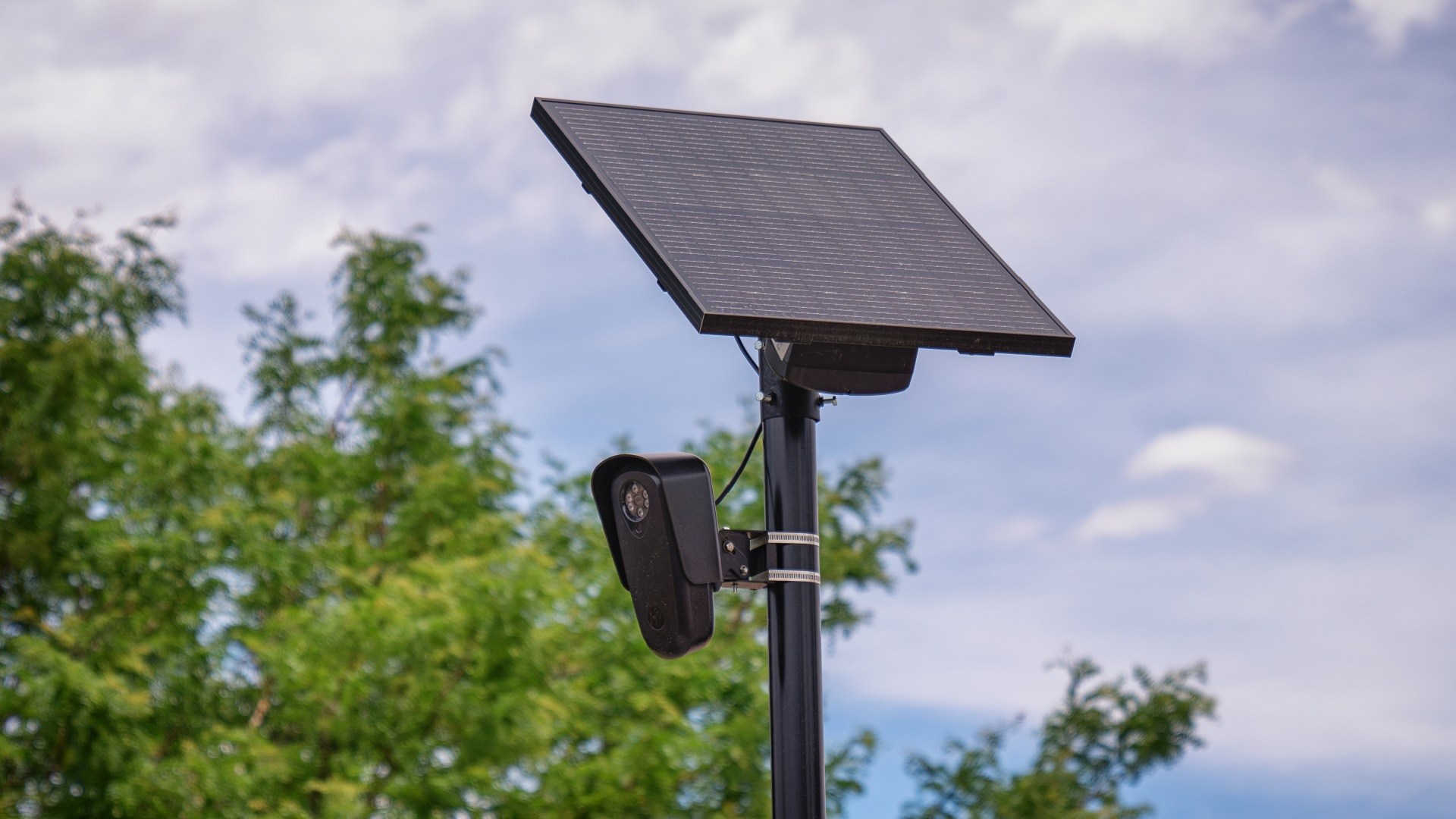
St. Lucie County in Florida was using Flock cameras to monitor traffic, but county officials recently decided to remove the cameras, joining the growing number of local governments rethinking their ties with the controversial surveillance cameras. While the county believed that there were 52 cameras operating in the area, officials were unpleasantly surprised to find 14 additional cameras that were operating without permits.
The county sheriff’s office claimed three of the 14 mystery cameras as its own, offering some peace of mind about their use. However, that leaves the county with 11 cameras and no information about who has access to the data they’re collecting, a situation that residents told the Washington Post leaves them feeling unsafe.
Officials posted notices on the mystery cameras
Representatives of St. Lucie County claim that they’ve put notices on the unpermitted Flock cameras with deadlines between October 16 and October 20, depending on when the notices were placed, to remove them. If the cameras are still up past that deadline, then the county plans to wrap them in plastic to prevent them from being used.
A spokesperson for Flock reached out to the Washington Post, saying that the company reached out to St. Lucie County and that it would be happy to help the officials directly by reviewing the mystery cameras in an attempt to find discrepancies. So far, there’s no update regarding the county’s response to Flock’s offer.
Permits aren’t always needed for Flock cameras
In the Washington Post, statements from the Flock spokesperson mention that permit requirements vary by jurisdiction. That means that some locations don’t require permits for Flock cameras to be placed and operated. They claim that they deal with permits in locations that require them, but that’s not the case for every location.
Flock cameras have been the center of controversy regarding the company’s privacy policies and the ways that the cameras are being misused. As an example of law enforcement misusing the cameras, one officer in Florida was caught using the cameras more than 700 times for the sake of tracking his wife. He hid his trail by creating false police reports, which shows that it could be easy for access to be misused a handful of times without it being noticed.
As local governments work to cut ties with Flock, the federal government could be next to limit how surveillance is used by law enforcement. In September, Representative Massie introduced the Flock-Off Act. If passed, this bill blocks the use of federal funds for purchasing automatic license plate readers and biometric surveillance cameras. The funding block includes maintaining, upgrading, and repairing that technology, not just purchasing it.
Have a tip we should know? [email protected]