


Great white shark kills swimmer near shore and Australia issues rare “kill order” over fears it still poses a threat
Three fatal shark attacks in one year left authorities with little room to take chances.
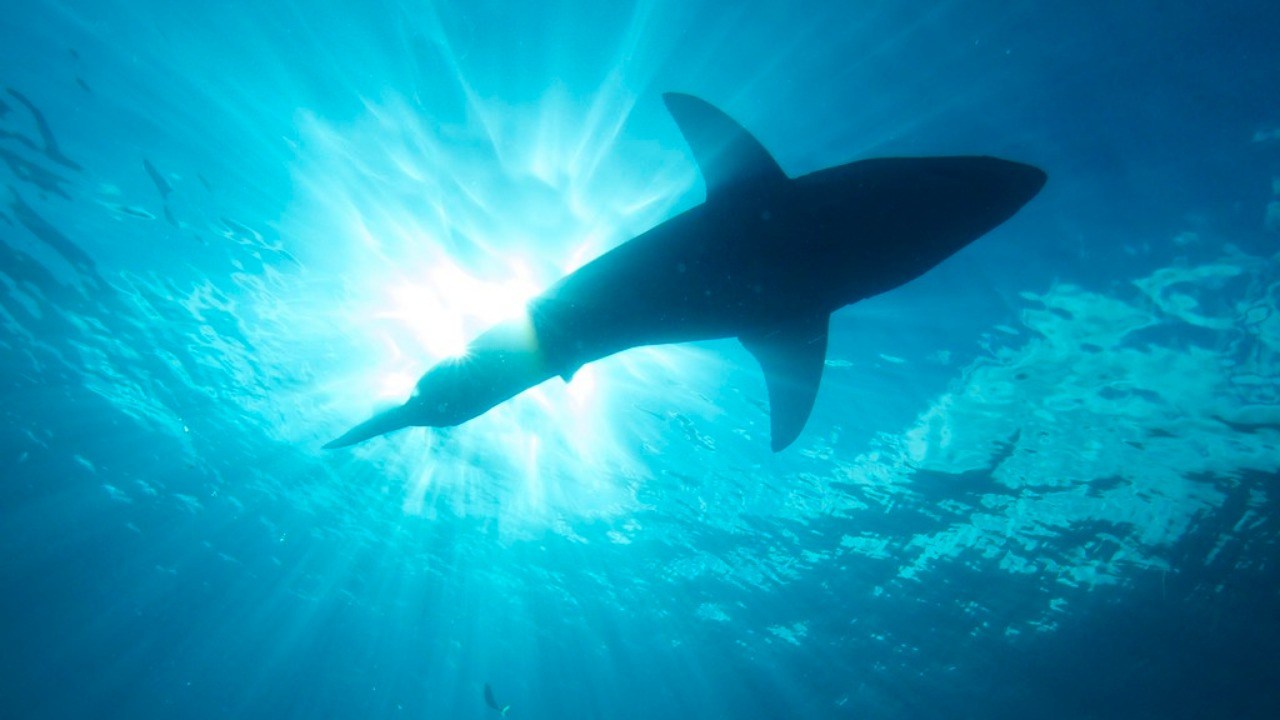
A 63-year-old swimmer was killed by a great white shark near a popular Australian beach, prompting authorities to take the extraordinary step of ordering the shark to be captured and killed.
Greg O’Neill was swimming close to the shoreline at Sorrento Beach in Perth, Western Australia, on September 18 when the shark attacked. A friend who had been swimming with him made it safely back to shore, while O’Neill’s body has not been recovered.
According to BBC News, Western Australia Fisheries Minister Jackie Jarvis issued the rare catch and kill order after Water Police positively identified a great white believed to have been involved in the attack. Jarvis said officials considered the exceptional circumstances, the potential danger posed by the shark, and the possibility of recovering evidence for the coroner. With the shark believed to still be in the area after a fatal attack just meters from shore, authorities were confronting the possibility that other swimmers could remain at risk.
Authorities took an extraordinary step after the attack
Jarvis said it was likely the first catch and kill order issued in Western Australia in approximately 10 years. She stressed that the decision did not signify a return to widespread shark culling, a practice that has previously triggered significant opposition in the state.
Capture gear normally used to tag sharks was deployed about 1.5 kilometers off Sorrento Beach as authorities attempted to locate the animal. Beaches across an almost 12-kilometer stretch of Perth’s northern coastline were also closed following the fatal attack.
The search ultimately ended without the shark being captured. The Department of Primary Industries and Regional Development removed the capture gear after reporting no evidence of further shark activity and determining that the likelihood of catching the animal had significantly diminished. Tracking great whites can be difficult even when researchers have already tagged them, as demonstrated by a 1,700-pound shark whose tracker recently went quiet.
The decision to hunt the shark also drew criticism from experts and renewed a long-running debate over how authorities should respond to shark attacks. Macquarie University behavioral biologist Culum Brown told ABC News that finding the same shark would be like searching for a “needle in a haystack” because great whites can travel vast distances.
Brown argued that greater investment in shark spotting drones could provide a more effective way to protect swimmers. Jarvis has also said increasing drone use is under consideration as Western Australia reviews its shark mitigation measures.
O’Neill’s death renews debate over beach safety
O’Neill’s family reportedly described him as a devoted family man, passionate swimmer, sports lover, and dedicated worker who loved the ocean. His death was the third fatal shark attack in Western Australia this year, adding urgency to questions about how authorities can protect swimmers from future attacks.
The attack also came just days after a 56-year-old surfer was seriously injured in another shark attack near Geraldton, roughly 400 kilometers north of Perth. Authorities had already been using measures including shark tagging and tracking, warning systems, beach enclosures, and aerial patrols to reduce the risk to swimmers.
Western Australia has experimented with shark tracking for years, including a warning system for beachgoers that used tagged sharks to trigger alerts when they approached monitored beaches.
The nearly 12-kilometer stretch of coastline closed after O’Neill’s death was scheduled to reopen on September 21. Authorities have since ended the effort to capture the shark. Still, the fatal attack has intensified discussion over whether additional measures, particularly expanded drone surveillance, could make Western Australia’s beaches safer or if the most it could do is document a shark attack.
Have a tip we should know? [email protected]
Follow The Mary Sue:
