


West Nile cases in NYC have already passed last year’s total, and infected mosquito pools are at a record high
West Nile cases have surpassed last year's total in NYC, but the number of infected mosquitoes may be an even bigger concern.
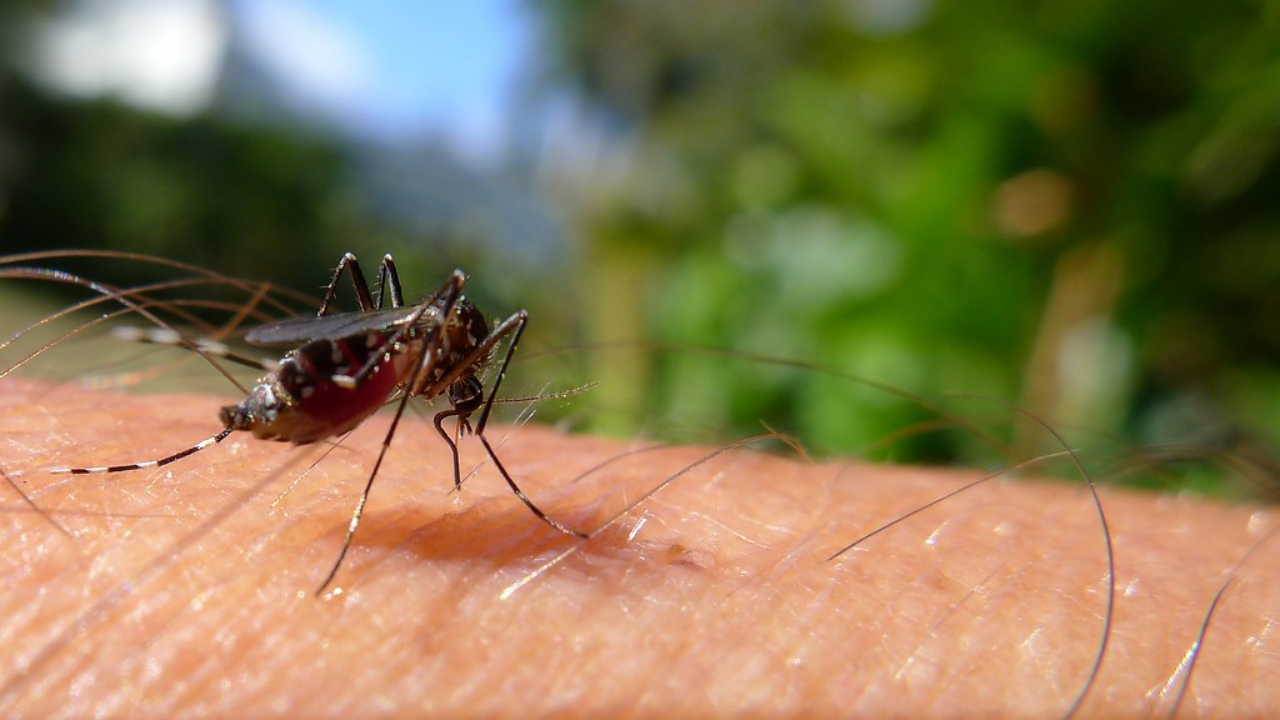
New York City has already recorded more West Nile virus cases this year than it did in all of 2025. The city has confirmed at least 30 cases this year, compared with 18 reported cases last year, and health officials have found West Nile in more than 1,700 mosquito pools.
Health officials reported the first human case on August 19. Since then, the number of confirmed cases has climbed past last year’s total, while the number of infected mosquito pools has reached a record high, according to city health data. Last year was lower than other recent years. According to Gothamist, New York City confirmed 36 cases in 2024, 32 in 2023 and 46 in 2022.
The New York Post reported that 24 of the 30 confirmed cases are West Nile neuroinvasive disease, which includes illnesses such as encephalitis, meningitis and acute flaccid paralysis. The other six cases are West Nile fever without central nervous system involvement.
The mosquitoes were already showing signs of trouble
The human cases came after the city had already found hundreds of groups of mosquitoes carrying West Nile virus. Health officials collect mosquitoes from traps around the city and test them for the virus, so when a “mosquito pool” tests positive, it means the mosquitoes collected from one trap tested positive for West Nile.
By July 25, 612 of those mosquito samples had tested positive, compared with 326 at the same point last year. The city found its first positive sample on June 16, while officials did not detect the first one in 2025 until July 1.
The numbers had nearly doubled from last year by early August. Health officials have found West Nile positive mosquitoes in all five boroughs, and they have identified more than 1,700 positive mosquito pools this year, compared with a little over 1,300 in all of 2025.
Sally Slavinski, who heads the New York City Health Department’s Zoonotic and Vector-Borne Disease unit, told Gothamist that warmer weather can speed up the mosquito life cycle and allow the virus to replicate faster. Rain and humidity can also create better conditions for mosquitoes, while a longer warm season gives them more time to spread the virus.
The case count does not tell the whole story
Thirty confirmed cases does not mean only 30 people contracted the virus. According to the CDC, most people who contract West Nile virus never develop symptoms, and about one in five develop a mild illness that may not lead to testing.
That means some infections can go unnoticed, particularly when someone has symptoms that are mild enough to pass without medical care. So the city’s confirmed case count only includes people who received a diagnosis, not everyone who contracted the virus.
Slavinski also told Gothamist that people 65 or older are three times more likely to develop neurologic illness than younger people, and that people with chronic conditions or weakened immune systems are also at higher risk.
A few simple precautions can also help you avoid mosquito bites. The Health Department recommends using EPA-registered insect repellent, wearing long sleeves and pants when mosquitoes are active, keeping window and door screens in good condition, and getting rid of standing water around the home where mosquitoes can breed. Repellent and long clothing can also help against other biting pests, including ticks, which can carry several disease-causing pathogens.
New York City has tracked West Nile virus for more than 25 years, and health officials continue treating areas where they find infected mosquitoes. With infected mosquito pools at a record high this year, health officials are urging New Yorkers to take these precautions.
Have a tip we should know? [email protected]
Follow The Mary Sue:
