


Mom says she couldn’t sign her child up for gymnastics until she agreed to let the gym post them on social media: ‘What in the world?’
She might have to find another gym.
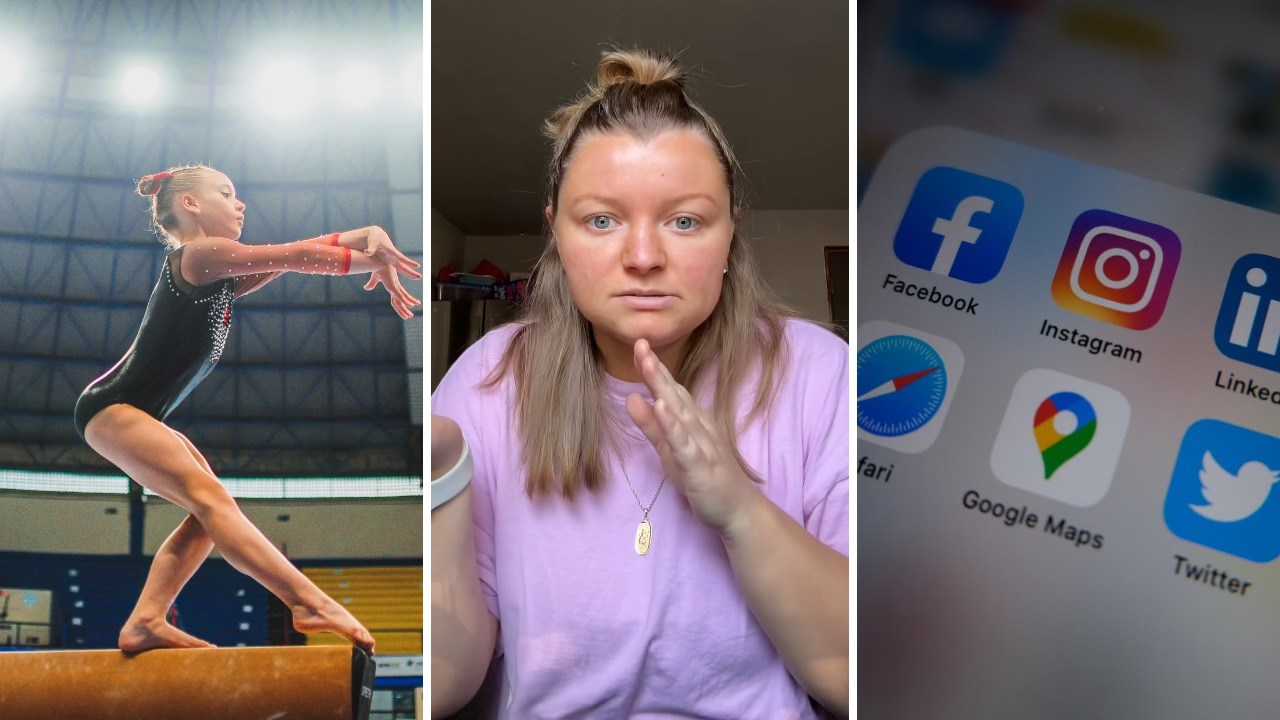
Enrolling children in sports is a great way to build skills early on and discover which activities they enjoy or excel at as they grow. But one mom’s attempt to sign her child up for gymnastics left her questioning the requirements involved. Emma Avila (@heyemmaavila) recounted the incident in a video that amassed tens of thousands of views on TikTok.
According to Avila, she was signing her child up for a gymnastics class online when she was asked if she consented to her child’s photo being shared on the class’s social media for marketing purposes. Avila said she declined, as she does not post photos of her child online. However, when she tried to confirm the registration after selecting a class and time, the website allegedly told her that her child could not join.
“It says you can’t sign your child up because you did not agree to have your child posted,” Avila recalled in disbelief. “What? What in the world? That makes no sense.”
Social media can be dangerous
Avila said she found it “absurd” to have to dispute the issue and ultimately decided she did not want to be associated with the company. “Why is that even a thing that you have to agree to have your child shown on their social media or marketing, whatever, to have them be enrolled in their class?” Avila questioned. “That is absolutely ridiculous.”
Avila did not name the company, so her claims could not be independently verified. However, her concerns about photos of her child being publicly shared online, especially without her knowledge, are valid, as advances in technology and social media can pose risks to young children.
According to the University of British Columbia, a single photo or video can reveal much more information than we might expect or want. Depending on how a photo or video was created and shared, the file’s metadata can reveal technical details like when and where it was taken, especially if a device’s location service is turned on. This could allow predators to track a child’s location or identify personal information.
Once something is uploaded to the internet, it can prove difficult to remove or control its distribution—which can lead to photos or videos online being stolen and exploited. Per the Child Rescue Coalition, predators have also utilized generative artificial intelligence to manipulate photos or videos to create harmful and abusive materials featuring children, either for personal or financial gain.
The company doesn’t seem to be breaking any laws
There is, technically, no federal law against posting a normal photo of a child, despite the lack of parental consent, if it was taken in a public space, unless there are grounds for concern, as individuals do not have a reasonable expectation of privacy. However, photos taken in private spaces can open civil liability depending on the circumstances. But there are exceptions, such as laws that apply to registered sex offenders. In Georgia, it is illegal for them to take a photo or video of a child.
The Children’s Online Privacy Protection Act (COPPA) also requires websites, apps, and online services to have a parent’s consent when it comes to collecting, using, and disclosing the personal information of a child under 13 years of age. This includes photos, videos, and audio files that contain a child’s image or voice. Additionally, the U.S. does not have laws preventing a business from refusing service if a parent does not consent to their child’s photos being used for marketing, unless the refusal is based on discrimination.
Have a tip we should know? [email protected]
Follow The Mary Sue:
