


Trump Is Threatening Retailers With Unspecified Retribution if They Fail to Hit His Arbitrary $2.50 Gas Price Target
Unrealistic expectations?
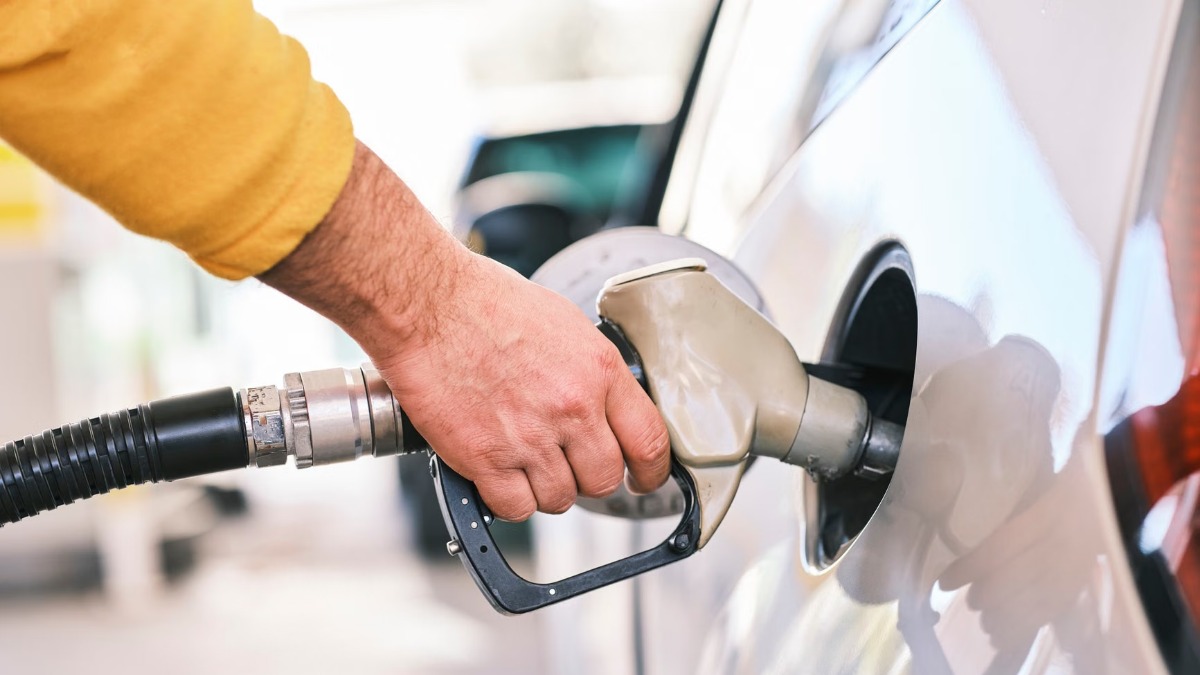
President Donald Trump just issued a blunt ultimatum to gas retailers, demanding they slash prices to $2.50 a gallon or face unspecified consequences. The order, posted on Truth Social, frames the target as a moral duty rather than a business decision, with Trump warning companies to act “immediately” or brace for “big problems.”
“Gasoline Retailers must get their Prices down, IMMEDIATELY,” he wrote, according to Reality Tea. “There will be no gauging [sic], which is totally illegal.” He doubled down by telling retailers to “start targeting around the $2.50 a Gallon number,” calling it the benchmark they “know is right” for “our great American people.”
California got special attention in Trump’s rant, with the president blaming the state’s high fuel taxes for prices that have soared past $6 a gallon in recent weeks. “Soon the Tax will be higher than the Product itself,” he wrote, arguing that Californians are being “abused” by their own government
It’s not the first time he’s gone after the state’s energy policies
Governor Gavin Newsom, a Democrat, has been a frequent target of Trump’s criticism, particularly over California’s push toward renewable energy and its goal of a carbon-neutral electrical grid within 20 years. The tension between the two has been simmering for years, and this latest jab only adds fuel to the fire.
The timing of Trump’s demand isn’t random. Gas prices have been climbing steadily since the U.S.-Israel war on Iran escalated earlier this year, disrupting global oil supplies. The conflict reached a boiling point after Iran closed the Strait of Hormuz, a critical chokepoint for about 20% of the world’s oil.
According to The Hill, prices spiked to a four-year high of $4.56 a gallon over Memorial Day weekend, though they’ve since dipped to a national average of $3.85, per AAA. That’s still a far cry from Trump’s $2.50 target, and it’s unclear how retailers are supposed to bridge the gap without taking a massive financial hit.
Trump’s post also referenced the recent memorandum of understanding (MOU) between the U.S. and Iran, which temporarily eased tensions after a weekend of retaliatory strikes. The deal aims to reopen the Strait of Hormuz and restore the flow of oil, but experts warn that hurricane season could disrupt fuel exports and push prices back up.
A 2023 report from the U.S. Energy Information Administration estimated that storms could add 25 to 30 cents per gallon to the cost of gas. That’s a wildcard, but it’s not stopping Trump from holding retailers accountable for factors well beyond their control.
The president’s threat of “big problems” is vague but ominous
He’s previously directed the Department of Justice to investigate potential price gouging, so it’s not out of the question that he could push for more aggressive action. Whether that would actually lower prices is another story.
Gas prices are influenced by a complex web of factors, including global supply, geopolitical conflicts, and local taxes. Retailers don’t operate in a vacuum, and slashing prices to $2.50 would likely require significant subsidies or policy changes that aren’t currently on the table.
Trump’s focus on gas prices isn’t just about economics, it’s also about politics. With midterm elections looming in November, fuel costs could be a deciding factor for voters. A recent Gallup poll found that 67% of respondents said rising gas prices have caused financial hardship for their households.
The administration has already taken steps to boost domestic oil supply
This included reactivating a California pipeline that’s been idle since a 2015 spill. That move was framed as an emergency measure to stabilize prices, but it’s also a direct challenge to California’s environmental policies. The pipeline’s revival is a short-term fix though. It highlights the tension between Trump’s energy agenda and the push for renewable alternatives.
For now, gas retailers are stuck. Trump’s demand is impossible to ignore, but meeting it would require measures that could hurt their bottom line. California’s high taxes and regulatory environment make it an especially tough market to navigate. Its commitment to renewable energy means it’s unlikely to back down from its climate goals. That puts retailers in the awkward position of balancing political pressure with economic reality.
Trump’s $2.50 target isn’t just arbitrary, it’s also unrealistic given current market conditions. Oil prices have been volatile, and while they’ve dipped to around $68 a barrel, there’s no guarantee they’ll stay there. The global oil market is still on shaky ground, and any number of factors could send prices soaring again.
Trump’s post also raises questions about the legality of his demands
Price gouging laws vary by state, and what constitutes “gouging” is often subjective. The president’s claim that gouging is “totally illegal” oversimplifies a complex legal landscape. Retailers could argue that their prices reflect market conditions, not predatory practices. But with the Department of Justice already investigating, the threat of legal action is very real.
The bigger issue here is the precedent Trump is setting. If retailers cave to his demands, it could embolden future administrations to make similar public ultimatums. That’s a slippery slope, especially in an industry as volatile as energy. Gas prices fluctuate for all sorts of reasons, and retailers need the flexibility to adjust accordingly. Trump’s approach risks turning a business decision into a political one, with retailers caught in the middle.
For consumers, the hope is that prices will continue to fall, but there are no guarantees. The MOU with Iran has eased some tensions, but the conflict is far from over. Hurricane season is another wildcard, and if storms disrupt fuel exports, prices could spike again. That’s a lot of uncertainty for retailers to navigate, especially with the president breathing down their necks.
(Featured image: Engin Akyurt on Pexels)
Have a tip we should know? [email protected]
Follow The Mary Sue:
