


The National Debt Just Hit $40 Trillion, and Three Hidden Costs Are About To Gut Americans’ Monthly Budgets
Brace for impact.
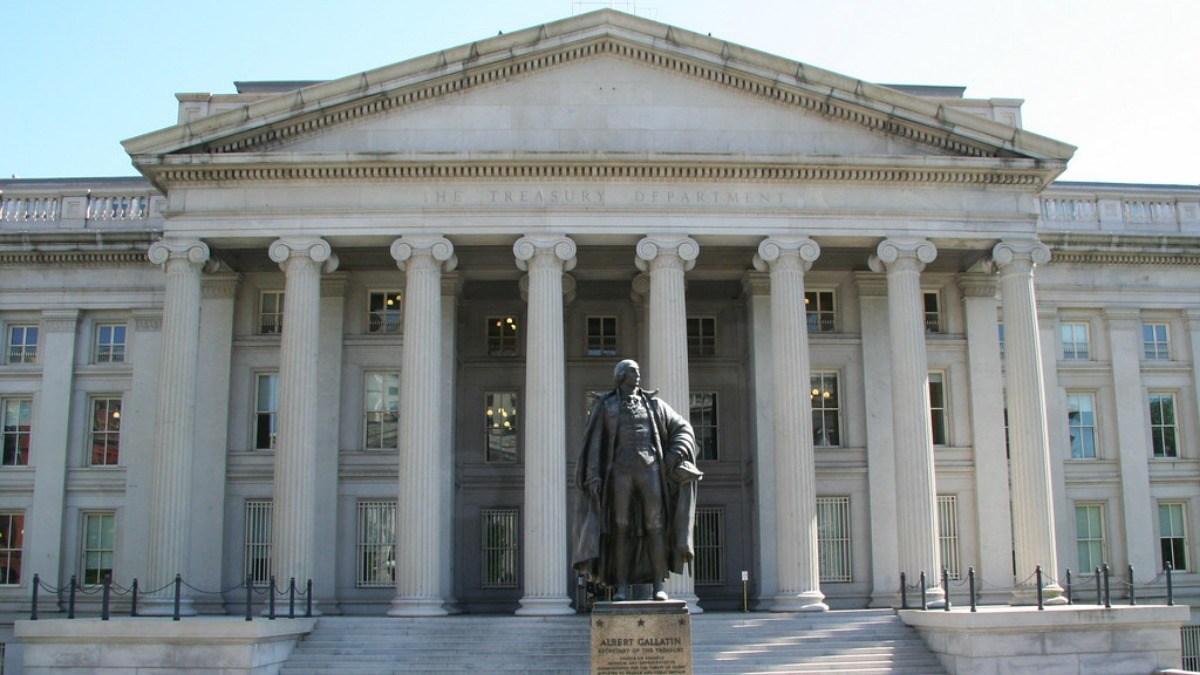
The national debt just hit $40 trillion, and if you think that’s just a problem for politicians, guess again. According to UNILAD, the Treasury dropped the numbers on August 19, 2026, and they are about to start hitting your wallet in ways you might not see coming. Experts are warning that three hidden costs tied to this debt could start shrinking your monthly budget before you even realize what’s happening.
First up, borrowing money is about to get a lot more expensive. Whether you’re looking to buy a house, a car, or just need a personal loan, higher interest rates are on the horizon. The Government Accountability Office says this is a direct consequence of the government’s ballooning debt. When the feds need to borrow more, everyone else ends up paying the price. That means less cash in your pocket for everything else, from groceries to savings.
Then there’s the issue of stagnant wages. If you’ve felt like your paycheck hasn’t kept up with the cost of living over the past few decades, brace yourself. It’s probably not going to get better anytime soon. Businesses are already facing higher borrowing costs, which means they’ve got less money to invest in growth or pay raises. The result? Slower wage growth for workers, even as prices for everyday goods keep climbing.
Speaking of prices, get ready to pay more for just about everything
The Government Accountability Office warns that when businesses have less money to invest, the cost of goods and services is “likely to increase.” And if that wasn’t bad enough, shortages could become more common too. So don’t be surprised if your next trip to the grocery store or gas station leaves you wincing at the total.
At a rally in Long Island on August 14, the president didn’t seem too concerned about the rising costs for everyday Americans. “For you to pay a little bit more for your gasoline, just remember, you’re doing it so a very evil country cannot have… a country, really, it’s the number one state sponsor of terror in the world, we don’t want to have them have nuclear weapons,” he said.
He added, “When you have to pay a little bit more, you’re at $4. It’s Ok, I mean, it’s… I’m not… I’m not… I’ll never apologise; I did the right thing.”
Margaret Spellings, president and CEO of the Bipartisan Policy Center, had a much grimmer take on the situation. In a statement following the debt announcement, she called the projected debt “unsustainable” and warned that the country is “speeding toward a cliff and refusing to turn the wheel.” Even in the best-case scenarios, she said, the current trajectory is “plainly unsustainable.”
The $40 trillion milestone has lawmakers from both parties sounding the alarm
According to The Hill, Republicans have spent years pointing fingers at federal spending and entitlement programs, while Democrats argue that higher taxes on the wealthy and corporations are the answer. The problem? Neither side wants to make the politically painful trade-offs needed to get the debt under control.
Sen. Rick Scott took to X to call the debt “bad” and demand that Congress “get spending under control and BALANCE THE BUDGET.” Sen. Rand Paul, another fiscal conservative, echoed the sentiment, saying, “Instead of paying for things as we go, Washington spends and spends. You and your family make a budget and live by it. Washington should as well.”
Rep. Ralph Norman, a member of the far-right House Freedom Caucus, didn’t hold back either. “America’s national debt has officially crossed a line that should alarm every single American,” he wrote. “This is not just another number. It is a flashing warning sign that Washington’s reckless, unchecked spending is putting the future of our country, and generations of Americans, at risk.”
Norman’s solution? Congress needs to “find the backbone to make the tough decisions, rein in spending, and get our fiscal house in order.”
Sen. John Curtis called the debt problem “immoral,” arguing that it unfairly leaves future generations to foot the bill. He’s pushing for legislation like the Fiscal Commission Act, which would create a commission to tackle fiscal responsibility. “The more we add to our debt, the greater the threat of disaster in the event of an economic shock,” he warned.
Democrats are blaming Republicans for the debt surge
Rep. Joe Neguse pointed to last year’s One Big Beautiful Bill Act. “Last year, many of us warned that Trump’s reckless budget bill would increase the deficit by trillions, including increasing debt-service costs by $687 billion over the next decade. Those warnings were ignored. And the national debt has now hit $40 trillion,” he said.
Rep. Thomas Massie, a Republican who recently lost his primary, didn’t hold back either. “If you voted for the Big Beautiful Bill, please don’t get on here and express righteous indignation that the debt is now $40 trillion,” he wrote. “Anyone with a room temperature IQ knew that cutting taxes and increasing spending was going to balloon the deficit.”
Sen. Dick Durbin took a shot at the president’s policies too, blaming the debt on “Trump’s billionaire tax cuts to his war with Iran.” Rep. Shri Thanedar was even more direct, noting that nearly 30% of the debt – $11.52 trillion – was added during the current administration. “Republicans still INSIST that they’re the ones for fiscal responsibility,” he wrote.
Treasury Secretary Scott Bessent, however, offered a slightly more optimistic take, saying that the U.S. can “grow” its way out of the debt. He acknowledged that there’s been a lot of “misinformation” about the deficit but argued that some of the debt is temporary, like tariff refunds mandated by the Supreme Court. Bessent expects tariff income to bounce back by 2026, but even he admitted that the $40 trillion figure is a wake-up call.
(Featured image: MCS@flickr)
Have a tip we should know? [email protected]
Follow The Mary Sue:
