


Texas Is Ditching Local Food Truck Permits for a Single State License, Leaving Vendors With a Ticking Clock to Avoid a Total Shutdown
Apply now.
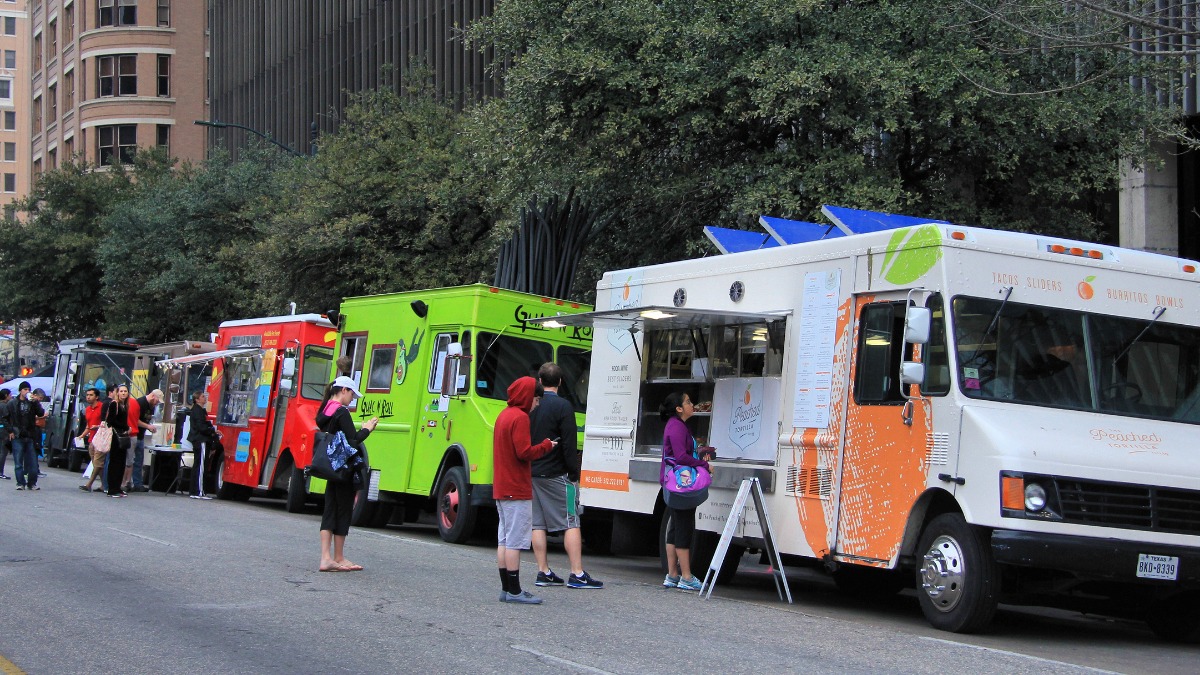
Texas food truck operators have until July 1 to apply for a new statewide license or risk shutting down. The Texas Department of State Health Services (DSHS) just opened applications for a single mobile food vendor license that will replace the patchwork of local permits vendors currently need to operate across different cities and counties.
According to USA Today, the shift comes from House Bill 2844, passed in 2025, which eliminates the requirement for vendors to obtain separate licenses in each jurisdiction. Starting July 1, all mobile food vendors must hold a DSHS license to operate legally. Timothy Stevenson, deputy commissioner for consumer protection at DSHS, said the goal is to make the transition smooth for vendors, customers, and local governments.
Current mobile food vendors can keep operating after July 1 if they’ve submitted a complete application for the new DSHS license, including paying the required fees. Until they receive their new license, vendors must keep hard copies of their existing local license, DSHS application summary, and payment receipt on site at all times.
Inspections will be prioritized accordingly
DSHS will prioritize inspections for new vendors who don’t already have a local license since they can’t operate without passing an inspection. While DSHS will handle licensing and enforcement, most inspections will still be carried out through agreements with local jurisdictions. Vendors must also continue complying with all applicable state and local laws, even after the new system takes effect.
According to KVUE, the new statewide license splits food trucks into three categories based on how they handle food. Type I vendors sell mostly prepackaged food, Type II vendors do some limited food prep, and Type III vendors cook and prepare food on the truck. The more food prep involved, the higher the fees and the more inspections required.
At the time of application, fees are $309 for Type I, $618 for Type II, and $876 for Type III. Type II vendors also pay a $400 pre-licensing inspection fee, while Type III vendors pay $500. After that, Type II vendors will be inspected once a year, and Type III vendors will be inspected twice a year.
For food truck owners like Amr Hammad, co-owner and chef at Salam’s Grill in South Austin, the change could make a big difference. Hammad has been serving shawarma from his truck since October 2025, and he’s already paid nearly $800 just to set up an inspection appointment in Austin.
If he wanted to operate in other cities like Houston, Dallas, or Plano, he’d have to pay similar fees in each location. Hammad said the current system forces vendors to spend thousands of dollars in permitting fees just to make a few thousand in revenue, which doesn’t make financial sense.
The new system could also save vendors time
Right now, Hammad has to schedule inspections, tow his trailer to the inspection site, and close down for a day, all of which means lost revenue. Under the new rules, vendors will still need to pass health inspections and follow safety regulations, but they’ll only need one state license to operate anywhere in Texas. Hammad said the change could help food trucks expand beyond major cities and into smaller communities, bringing new business opportunities.
Local governments, however, are concerned about losing fee revenue. Austin Public Health (APH) has already entered into an agreement with DSHS to help conduct inspections, but the city’s current fee structure doesn’t align with the state’s new plan.
In an April memo, city leaders said Austin’s on-site mobile food vendor inspection program would end at the end of June. While this might mean less paperwork for vendors, it could also mean less money for cities that relied on those fees.
Food truck operators in Texas can apply through the DSHS online system
The department has also published a Mobile Food Vendor Guide with details on requirements, licensing categories, fees, and an inspection checklist. Vendors who apply early will have time to complete the process before the July 1 deadline, but those who wait could face delays or even temporary shutdowns if they don’t get their paperwork in order.
The new system isn’t perfect, but it could make life easier for food truck owners who want to grow their businesses without jumping through hoops in every city. For vendors like Hammad, the change could mean more freedom to operate where they want, when they want.
(Featured image: Larry D. Moore)
Have a tip we should know? [email protected]
Follow The Mary Sue:
