


Supreme Court Ruling on Firing Power Puts the FCC in the Crosshairs After Brendan Carr’s Crusade Against Late-Night Hosts
So, no separation of powers?
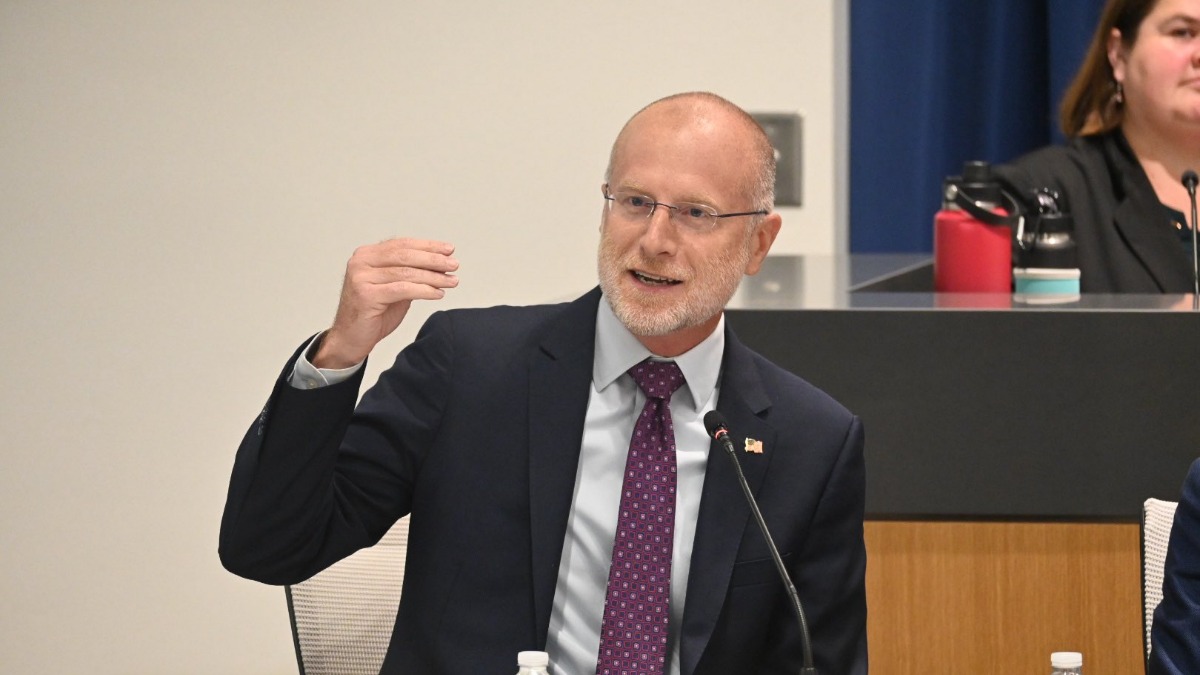
A Supreme Court ruling just handed Donald Trump power to fire officials at independent agencies like the Federal Communications Commission and Justice Neil Gorsuch used the moment to call out FCC Chair Brendan Carr for targeting late-night hosts. The 6-3 decision, released on June 29, 2026, lets the president remove Federal Trade Commission members without cause, a move that could reshape how agencies operate.
Gorsuch, while agreeing with the majority, took the opportunity to highlight how agencies like the FCC wield broad authority, pointing directly to Carr’s public pressure on ABC over Jimmy Kimmel’s jokes about the president and his allies. According to The Hill, he quoted Carr’s warning that broadcasters might face “additional work” from the FCC if they didn’t “find ways to take action” after Kimmel’s on-air remarks.
The justice used Carr’s comments as a prime example of how agencies can flex their regulatory muscle under vague “public interest” standards. It’s a rare moment where a Supreme Court justice shines a spotlight on a specific agency’s actions, and Gorsuch made it clear he sees the FCC’s scrutiny of broadcasters as part of a larger problem with unchecked administrative power.
Carr isn’t backing down
According to Newsweek, the day after the ruling, he doubled down on his stance, arguing that broadcast licenses aren’t “sacred cows” and that the FCC has every right to review them. Carr insisted the agency’s investigations into ABC and Disney are legitimate, even if they’ve raised eyebrows.
He didn’t mention Kimmel by name, but the timing of the FCC’s actions – coming after Kimmel’s suspension and public feuds with the president – has made it hard to ignore the connection. Carr’s message was clear: broadcasters shouldn’t assume their licenses are untouchable, and the FCC is ready to hold them accountable.
The FCC’s scrutiny of ABC isn’t just about Kimmel, though. The agency is also digging into Disney’s corporate diversity policies and questioning whether The View qualifies as a bona fide news program under FCC rules. Carr has pushed for early license renewals for several ABC-owned stations, framing it as a response to Disney’s broader policies.
But the move has sparked free speech concerns, especially since it follows public clashes between Kimmel and the president. If the FCC can pressure broadcasters over late-night comedy, critics worry, where does it stop?
Gorsuch raises bigger questions about the future of independent agencies
While the ruling gives the president more control over who leads these agencies, Gorsuch warned that it doesn’t address the deeper issue: agencies like the FCC, FTC, and SEC already act as lawmakers, judges, and enforcers all at once.
Now, with the president able to fire officials at will, those powers could become even more concentrated in the White House. Gorsuch painted a scenario where a business out of favor with the administration could face investigations from the FCC, rules from the FTC, and prosecutions from the SEC – all coordinated under presidential influence.
That’s a scary thought for anyone who values checks and balances. Gorsuch made it clear this ruling is just the beginning of a much larger debate about the administrative state. If agencies can write laws, enforce them, and judge violations, all while answering to the president, what’s left of the separation of powers? The justice didn’t offer easy answers, but he did signal that Congress and future courts will need to step in to clarify the limits of agency authority.
For now, the FCC is pressing forward with its investigations
Kimmel’s suspension last year, after he accused conservatives of politicizing the death of activist Charlie Kirk, already put broadcasters on edge. The comedian apologized and was reinstated, but the incident highlighted how quickly free speech concerns can escalate when regulators get involved.
With the Supreme Court’s ruling giving the president more leverage over agencies like the FCC, the stakes for broadcasters, and anyone who relies on public airwaves, just got a lot higher. The bigger question is whether this ruling will embolden more aggressive oversight of media companies. If the FCC can pressure ABC over late-night jokes, what’s to stop it from targeting other networks, podcasts, or even streaming platforms?
Carr’s argument that licenses aren’t “sacred cows” might sound reasonable in theory, but in practice, it opens the door to political interference in content. That’s a slippery slope, and Gorsuch’s warning suggests the Supreme Court is already thinking about where it leads.
For viewers, this might all feel like inside baseball, but the implications are huge
The FCC’s power to regulate broadcasters is based on the idea that the public owns the airwaves, and companies using them have to serve the “public interest.” But who gets to define what that means?
If the answer is a president with expanded firing power and an FCC chair willing to flex regulatory muscle, the definition could start looking a lot narrower. That’s a problem for anyone who values a media landscape where dissenting voices can still speak their minds.
Gorsuch’s opinion didn’t just call out Carr; it challenged the system. Independent agencies were designed to operate outside political pressure, but this ruling blurs that line. Now, with the president able to fire officials at will, agencies like the FCC could become even more politicized. That’s a win for presidential power but a potential loss for anyone who believes in a free and open media.
(Featured image: Federal Communications Commission)
Have a tip we should know? [email protected]
Follow The Mary Sue:
