


REVIEW: Christopher Nolan’s ‘The Odyssey’ Zooms In On The Epic Epic
4.5 violations of Zeus' Law
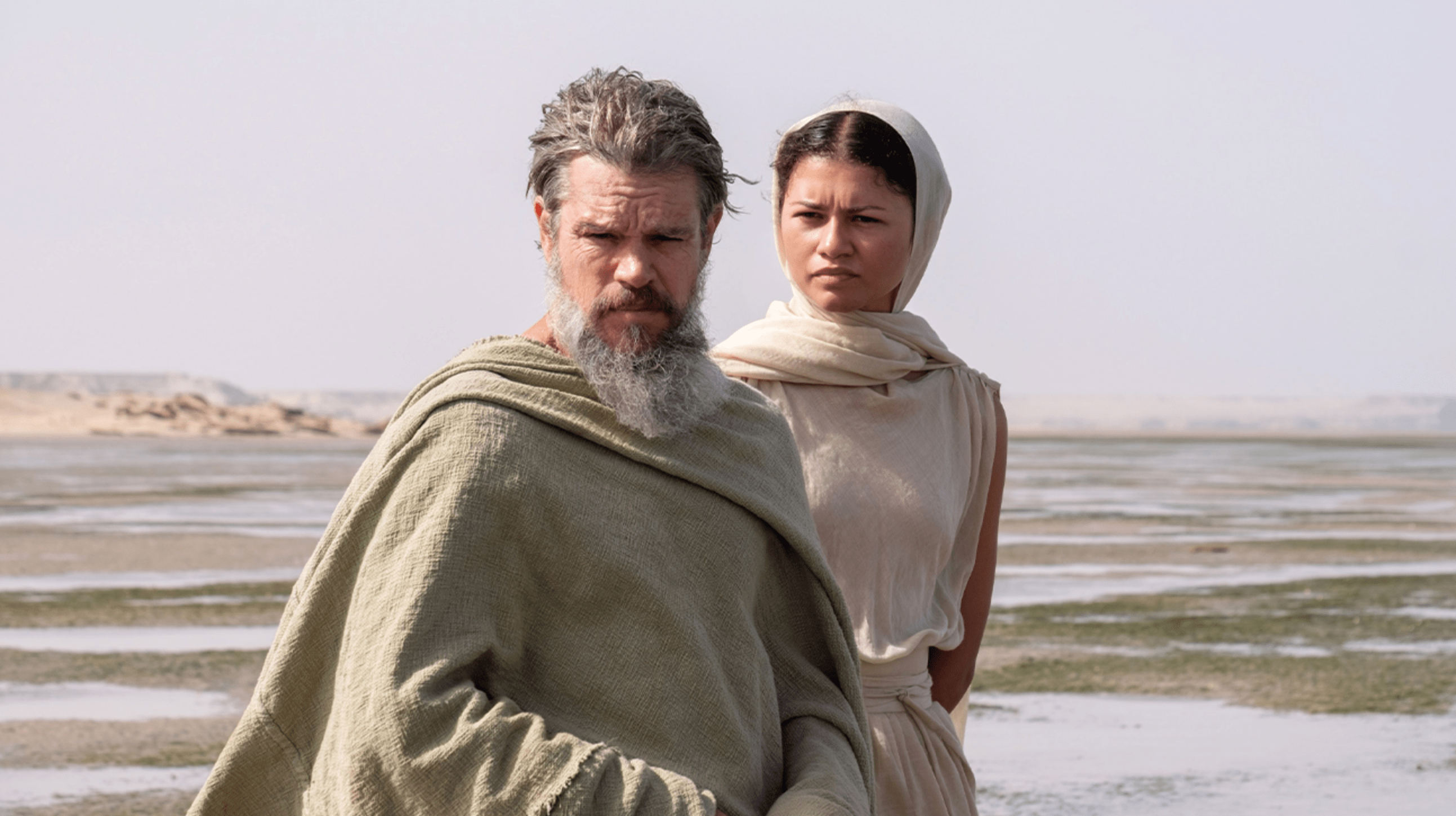
How in Hades did they pull this off? Christopher Nolan’s The Odyssey is a devastating, bloody, captivating, funny, and, to paraphrase the words of the opening title, apparently magical take on one of the oldest stories in the world.
Summarizing an epic is inherently silly. The Odyssey is about team-building exercises on a corporate retreat. It’s about how Thomas Wolfe once said you can’t go home again. It’s about the ultimate wife guy’s wife hiding behind screen doors and tapestries. Nolan’s Odyssey makes you want to submit to the sea just like the titular hero. At times, it reminds you why the director used to be associated with the word grimdark. Actually? Screw it. The Odyssey is about how men suck, simple is that.
Let me address this elephant in the room before we move on. Can you handle a movie set in ancient Greece with American accents and a somewhat relaxed approach to language? To me, it’s no more illogical than the very French Thénardiers speaking with Cockney accents in the very French Les Miserables. It’s consistent, and period/fantasy dramas have been done this way before. But if that’s a hurdle for you, so be it.
The Odyssey is a structural labyrinth (compliment).
Homer’s Odyssey, as many have observed, is a perfect text for a director like Nolan who loves to play around with narrative structure. It is one of our oldest nonlinear stories, after all. This tale is likely the reason you learned the Latin phrase “in media res,” which translates to in “the middle of things.” In a literary context, the phrase is used to describe a story that starts after the beginning and then flashes back to show how they got there–those record scratch, “yep that’s me,” types of stories.
That said, Nolan does take further structural liberties with the narrative. There are several framing devices. The “present day” storyline, like in Homer’s tale, follows prince Telemachus (Tom Holland) as he searches for news about his father and plans to get rid of the suitors in his home vying for the hand of his mother Penelope (Anne Hathaway). Meanwhile, we have Odysseus (Matt Damon) recounting his epic adventures to Calypso (Charlize Theron) towards the end of his journey. Multiple characters, including a bard (Travis Scott), Menelaus (Jon Bernthal), and Odysseus himself give their interpretations of how the Trojan War ended. Yet, as is the way with similar Nolan films like Inception, Dunkirk, and Interstellar it’s not actually difficult to follow.
What’s impressive is how this massive movie still feels small. Even the way Nolan uses close-ups and practical effects make the epic nature of this story intimate. It never feels cheap. It’s just human. When Odysseus (spoiler alert) finally makes it home, there are at least three moments a character silently recognizes him and the moment just plays on the actor’s face. It works every damn time.
The Odyssey threads intimate stories in the epic tapestry.
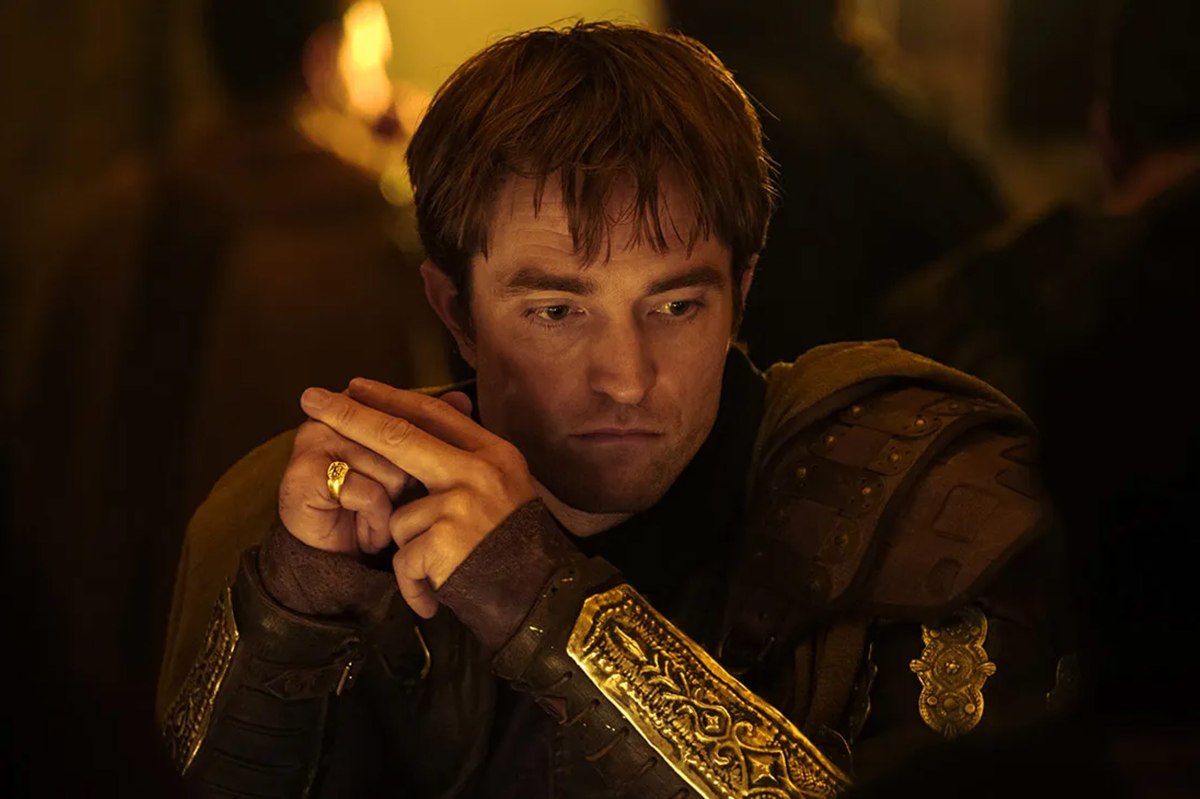
It’s not surprising to me that Holland’s storyline on the homefront worked so well. His coming-of-age journey gives us something to root for, and he has excellent scene partners in Bernthal and Hathaway. The way Hathaway portrays Penelope’s stubbornness is really something else. John Leguizamo is excellent too, but unsurprising as it calls back to his role in Moulin Rouge, of all things.
But I didn’t expect the film to expand so much on the relationship between Odysseus and his second-in-command Eurylochus (Himesh Patel). It’s a great supporting performance to Damon’s intelligent and just cocky enough Odysseuus. It’s nice that he has a friend. The men, flawed as they may be, are still people. Eurylochus and the ethereal Athena (Zendaya) also make a fascinating pair of sounding boards for Odysseus as he navigates his way home, representing the pull between the Gods and men.
Nor did I expect to have so much sympathy for Calypso, the sea nymph who falls in love with Odysseus and keeps him captive for seven years by feeding him memory-obscuring lotus flowers. (“But I love them,” Odysseus pouts when she finally asks him to stop.) By the end of the film, Nolan has made a solid case for why she took him in, and why she eventually helps him to remember what happened to him and his men before letting him go. “What if remembering destroys your happiness?,” she asks. “Then it wasn’t real,” he says.
On the homefront and in the war, another surprising thread is the story of how Sinon (Elliot Page) came to fight in the Trojan War, and Antinous (Robert Pattinson) didn’t. Both Nolan alum are excellent. To delve too much into how their stories connect would spoil the experience. But it’s an impressive act of narrative multitasking for the movie and Odysseus as a protagonist.
Will I get jumped if I call The Odyssey feminist? Discuss.
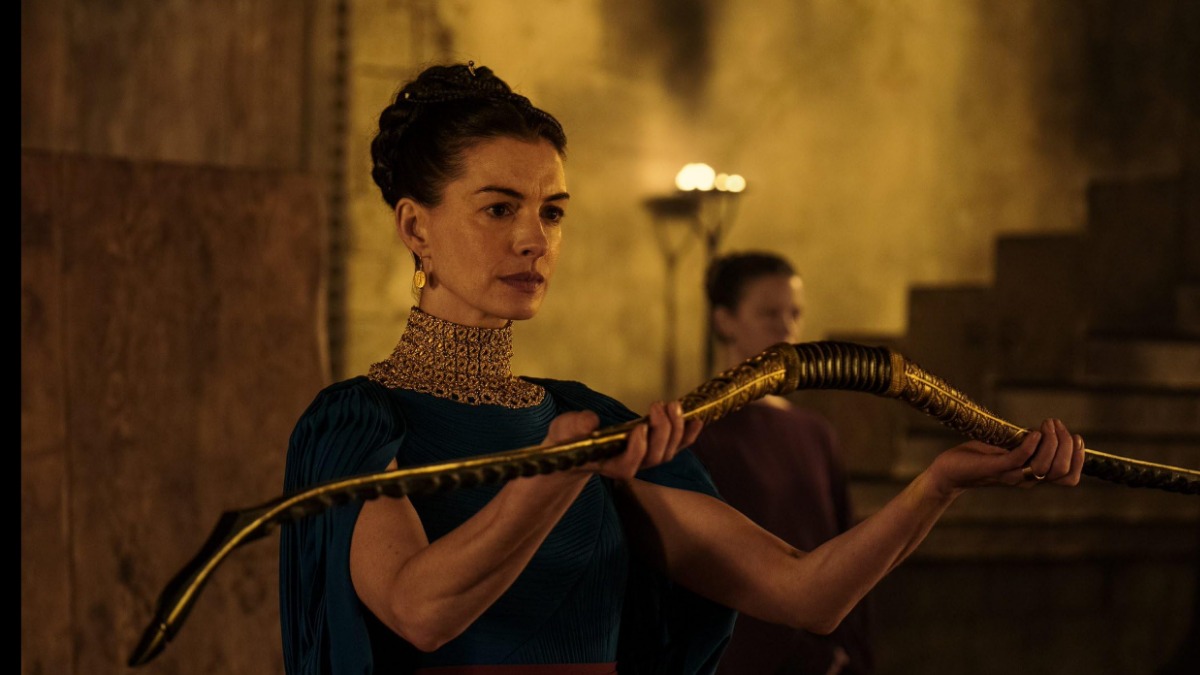
There’s been some reactionary fuss, unsurprisingly, about whether or not this a woke retelling of Homer’s tale. Nolan was inspired by Emily Wilson’s translation, which re-awoke an ire about her feminist and apparently radical take. Add casting choices, relaxed language, and American accents to the mix… and it’s open season for the worst type of people on the internet.
However, I have to admit that I was taken right back to English class in a way that felt familiar rather than revelatory at times. For example, the witch Circe turns Odysseus’ men into pigs because that’s what they are. The scene in Nolan’s film is spellbinding, pairing palpable visual effects with a standout performance from Samantha Morton, I might add. But how else do you interpret that? Is it so wrong to admit she’s not wrong? The Odyssey is about men who defy the Gods and are punished for that. It shouldn’t be radical to portray them as flawed.
It is nice that “listen to women” is a running theme of this film, whether that’s advice from Circe and Athena, Penelope’s simmering rage, the cautionary tales of Helen and Clytemnestra (Lupita Nyong’o, playing both roles and deploying her full range in a tiny dose of screen time), or… and I’m kind of joking here, the sirens. Was that not the lesson I was supposed to get?
Nolan’s more grandiose ideas about war, men, and history come towards the end of the film. If you spent the summer of 2023 mainlining Oppenheimer, you likely won’t be surprised by the thesis. Odysseus describes the siege of Troy as “ten years of rage pouring into that city in one night.” It’s a hell of a nugget to end a film on, and of course, as is Nolan and Homer’s way, takes us back to the beginning.
(featured image: Universal Pictures)
Have a tip we should know? [email protected]
Follow The Mary Sue:
