



Poster boy for inflammatory rhetoric, Randy Fine proposes absurd cure for America’s affordability crisis
Another problematic viewpoint.

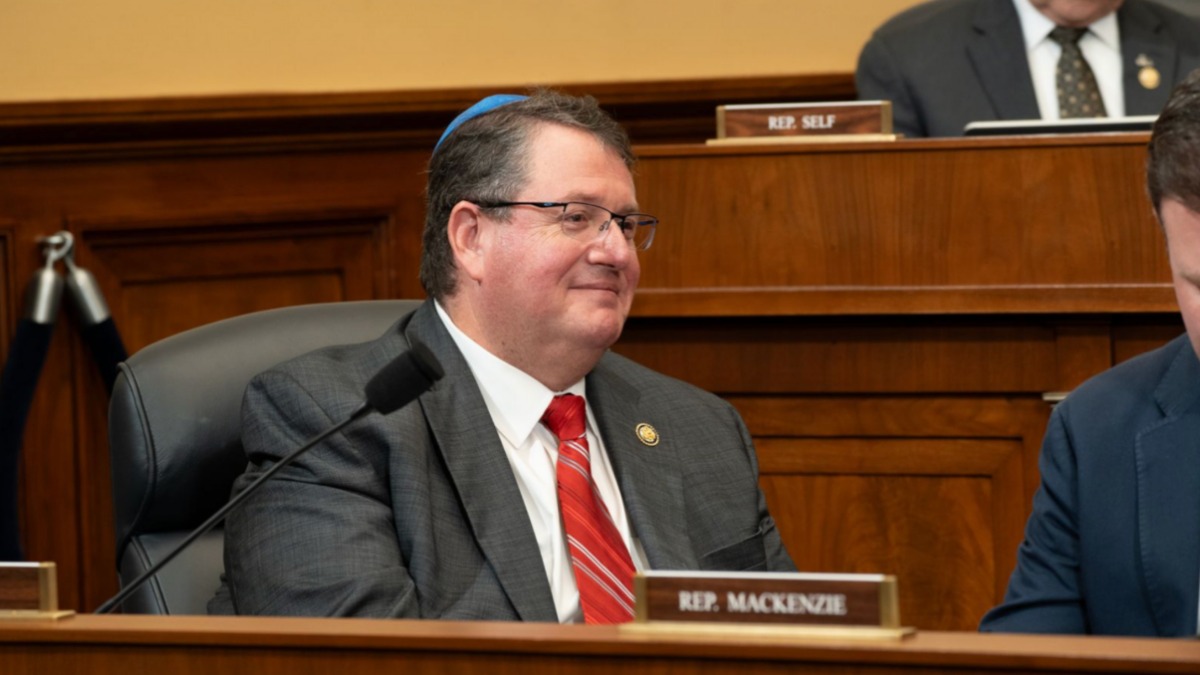
Representative Randy Fine, a Republican from Florida, recently shared his perspective on how to address the ongoing affordability crisis in the United States by suggesting that mass deportations are the primary solution. He took to the social media platform X on April 8, 2026, to argue that the federal government should focus on the removal of every illegal immigrant currently residing in the country.
This proposal centers on the belief that such a policy shift would directly stabilize the economy and lower the cost of living for American citizens. Fine believes that removing this population would create a surplus of resources and decrease the strain on public infrastructure.
The core of his argument rests on the idea that housing and rent prices would naturally decrease if the total number of people competing for limited inventory were reduced. According to Fox News, Fine suggested that there are millions of individuals currently living in the country who occupy housing units, and by removing them, the market would see a shift in supply and demand.
Randy Fine really doubled down on his push for deportation
Fine also pointed toward the healthcare system as an area that would benefit significantly from his proposed policy. He argued that emergency rooms are currently burdened by uninsured individuals, and that removing these people from the population would lead to a reduction in overall healthcare costs for the country.
Education is another area where the lawmaker believes that significant savings could be realized. He claimed that the cost of public education is currently inflated because of the presence of uninsured minors in the system, estimating that these students cost taxpayers between 10,000 and 20,000 dollars per year.
By removing these minors from the public school system, he contends that the financial burden on state and local governments would drop, allowing for more resources to be allocated elsewhere. This line of reasoning extends to the private insurance market as well. Fine stated that car insurance premiums are unnecessarily high because uninsured drivers are responsible for an increase in claims related to uninsured and underinsured motorist coverage.
Beyond the specific economic arguments, Fine has also made his stance on amnesty clear
During his recent communications on X, he emphasized that he would never consider any legislative path that grants amnesty to those who have entered the country illegally. He used strong language to convey his position, stating that he is not just a no on amnesty, but a hell no.
He further clarified his position by saying, I will never, ever, ever, ever vote for amnesty. For anyone. Ever. This absolute refusal to negotiate on the topic of legal status for undocumented immigrants highlights a rigid approach to border policy that he believes is essential for the future of the nation.
The rhetoric used by the representative reflects a broader conversation currently taking place within political circles regarding how the administration under President Donald Trump should handle migration. While the president has his own set of priorities and policies, individuals like Fine are pushing for a more aggressive approach to enforcement and removal.
The language used in his posts, such as DEPORTATIONS = AFFORDABILITY and the direct instruction for people to go home, serves to frame the issue of immigration through a strictly economic lens. This perspective ignores other potential factors that economists often cite when discussing inflation and affordability, such as interest rates, supply chain logistics, and broader fiscal policy.
It is important to look at how these types of proposals are being communicated to the public
By utilizing platforms like X, politicians can bypass traditional gatekeepers and speak directly to their constituents. This allows for the rapid spread of ideas, though it often strips away the nuance required for complex topics like national economic reform.
When Fine asserts that deportations are the number one thing the country can do to make life more affordable, he is essentially positioning immigration policy as the single most important lever for economic stability. This is a bold claim that invites significant debate from those who study the impacts of labor markets on inflation.
The legislative environment in Washington remains highly charged as these ideas circulate. While Fine remains a vocal proponent of this specific strategy, it remains to be seen how such proposals might translate into actual legislative action or executive directives under the current administration.
Trump has often focused on border security as a pillar of his platform, and proponents of strict enforcement often find common ground with his stated goals. However, the economic theories presented by the Florida representative are sure to remain a subject of intense discussion as the country continues to navigate the complexities of the current economic climate.
Have a tip we should know? [email protected]
