


Norwich mom buys a sleeping bag for her baby daughter. Then she measures the neck hole and finds it’s too big to meet British safety standards
The sleeping bag is no longer being sold.
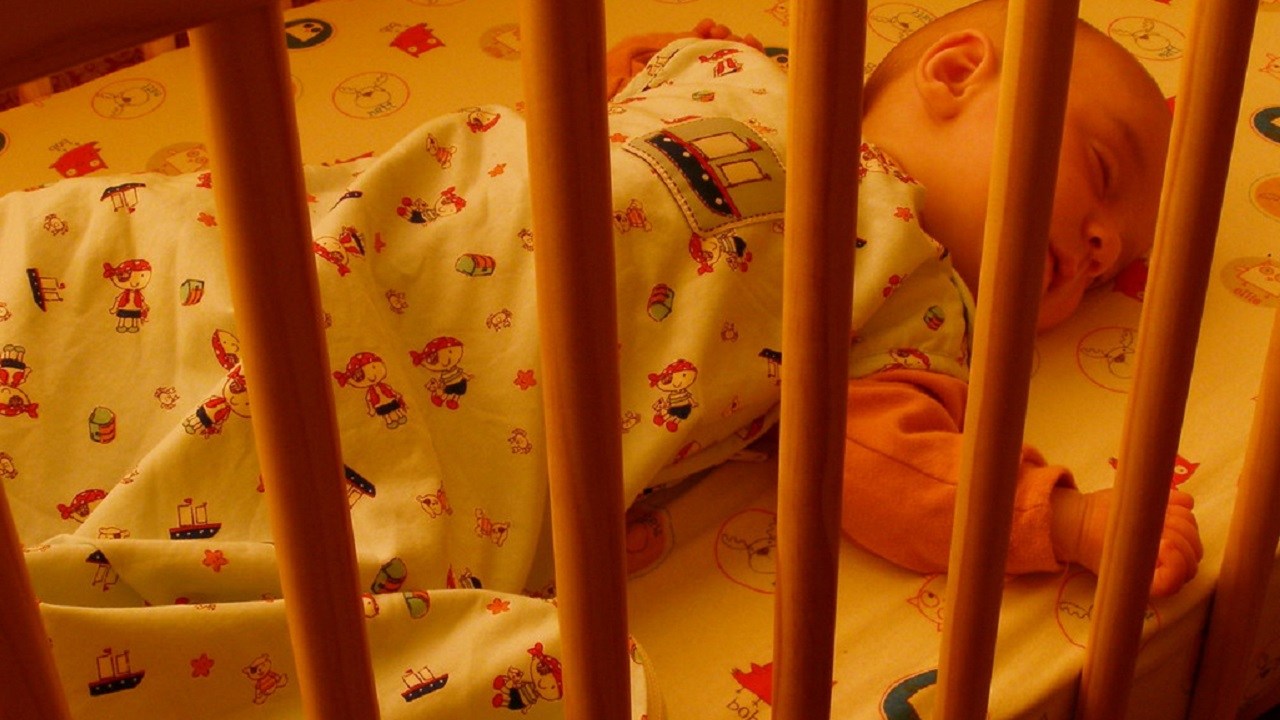
Next has pulled a baby sleeping bag from sale in the UK after a Norwich mom found its neck hole was too big to meet British safety standards, according to the BBC. Emma Hunter, 29, said she realized the opening was large enough that her daughter Rosie could potentially wriggle down inside, burying her face and risking suffocation.
The bag, Next’s own-brand 2.5 tog pink floral sleep bag with removable sleeves, came in three sizes and carried a label saying it met British standards. Hunter found that the maximum neck circumference for her bag’s size should have been 32 centimeters, or about 12.6 inches. When she measured it, the neck hole was 36 centimeters, about 14.2 inches.
Hunter said Next’s first response was to offer her a refund, which she felt was “quite laissez faire.” The retailer has since confirmed the recall. “We can confirm the item has been removed from our website and all stores. A product recall is in place, and we are contacting all customers who purchased the item directly to advise them of the appropriate next steps,” a Next spokesperson said.
Here’s why the size of the neck hole matters
The EN 16781 standard sets both a minimum and a maximum neck opening based on a child’s height, according to the BBC. A sleep bag made for a child between about 19.7 and 25.6 inches tall should have a neck circumference of roughly 11 to 12.6 inches, and Rosie measured about 23.2 inches when the bag was bought.
The British Retail Consortium warns that if a child slips through the neck opening and the material covers their nose and mouth, “suffocation can occur and may lead to the brain becoming starved of oxygen, which may result in asphyxia and potential brain damage or fatality.” Hunter said the risk is close to her heart because her older brother died of Sudden Infant Death Syndrome (SIDS) as a baby.
Sleep sacks themselves are considered a safe option when they fit. A 2019 analysis cited by the Cleveland Clinic found they are “as safe, if not safer, than other bedding” for preventing SIDS. The clinic notes they keep babies warm without loose blankets and are usually sleeveless, so babies can use their arms if they roll over.
Checking the fit can be simple for parents
Ruth Watts, a qualified health visitor in England, told the BBC that babies differ in size regardless of age, so parents should check on a sleeping baby’s bag and stop using it if it covers the chin or face. “The best thing to do is check the gap around the neck. If you can fit one to two fingers around the neck then that’s safe. If it’s any tighter or looser than that, then you shouldn’t use it,” she said.
Jenny Ward, CEO of The Lullaby Trust, a charity that works to prevent sudden, unexpected infant deaths, said the group can’t comment on specific products because it doesn’t carry out independent safety testing. Her advice applies to any baby product, including machines used to make bottles: “Remember to follow the manufacturer’s instructions and if a family is worried about any product we would say to stop using it and contact the manufacturer.”
Parents in the UK can check whether a product has been recalled on the Office for Product Safety and Standards website.
Have a tip we should know? [email protected]
Follow The Mary Sue:
