


Mayor Mamdani says NYC is losing its edge as an artist hub, and his new sit down with Nas signals a shift in city policy
Back to the roots.
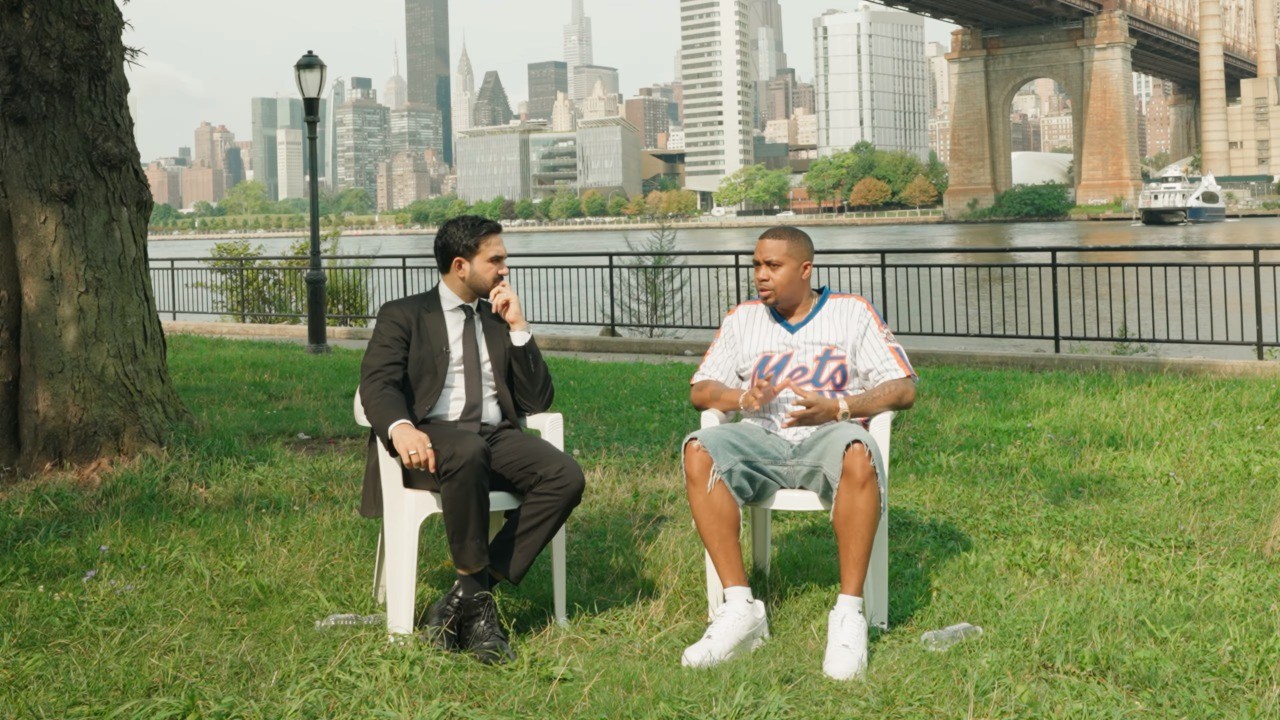
New York City is standing at a crossroads regarding its identity as the global capital of hip-hop. Mayor Zohran Mamdani is signaling a major pivot in city policy to ensure the city remains more than just a historical footnote. By engaging directly with legendary figures like Nas, the administration is highlighting an urgent need to protect the creative ecosystem that birthed a global movement over five decades ago.
Rolling Stone states that the conversation between the mayor and Nas took place at Queensbridge Park, located just outside the Queensbridge Projects where the rap icon spent his youth. This setting was intentional, serving as a reminder of the raw environment that fueled the genre’s early fire.
Mamdani, who has a personal history in music himself, previously performed under the names Young Cardamom and Mr. Cardamom. According to CBS News, he even released an EP in 2016 titled Sidda Mukyaalo. This background informs his perspective on the current struggles faced by local creators.
Mamdani’s stance is clear
In a recent video released by the Mayor’s Office, he says, “We can’t be content with New York City simply being the birthplace of hip-hop,” the mayor explains. He argues that the city must remain the actual home of the music, which requires proactive measures to keep artists living within the five boroughs. The core of the issue lies in the rising cost of living, which threatens to push out the very communities that drive the city’s cultural output.
Mamdani warns that the current economic trajectory is dangerous for the future of creativity. “If we allow New York to become such an expensive city that art becomes a luxury good, then we are depriving future generations from the magic of art,” he says. He describes his vision for a city that functions as a living, breathing testament to what happens when leaders create the conditions for art to flourish. For him, the stakes are not just about music, but about preserving the soul of the city.
Nas provides a grounding perspective on why this matters. He views the genre as an essential record of urban life. “Hip-hop unveils the truth. Hip-hop tells you exactly what your city looks like, sounds like, feels like. It was an outcry from people who demanded things to change and to tell the world what we were going through,” Nas notes. He emphasizes that the music was born out of a city going through a whole lot, making it an authentic reflection of the human experience.
The administration’s commitment extends to the classroom as well
Mamdani recently celebrated the first day of school at the Bronx School of Hip-Hop, situated in the Claremont section of the Bronx. This institution is unique because it uses hip-hop culture as the foundation for rigorous academic instruction. Billboard reports that another hip-hop veteran Fat Joe was also present at the opening.
Students in grades nine through 12 study subjects ranging from emceeing and DJing to financial literacy and digital media. The curriculum is designed to connect standard academic content to real-world experiences, proving that arts education can be both practical and profound.
Principal Jason Reyes expressed his appreciation for the city’s involvement in the recent documentary. “It’s like surreal that the New York City mayor’s office, the chancellor’s office, this is their school. They said we are going to back this,” Reyes says. He admits that he never imagined hip-hop would reach this level of institutional recognition. “Who would have ever thought that hip-hop would make it this far? So, it means the world to know that our city is leading the way in a way that no one else has ever done it. And that’s New York.”
The initiative also touches on the importance of mentorship and vision for the youth
Nas believes that young people in these neighborhoods need more than just hope, they need a path forward. “There’s more to life than just surviving. It’s all about the youth and how we get them to avoid the mistakes that so many people made. I know so many people from this neighborhood that had so much potential, but there was nothing showing them a different way,” the hip-hop icon says.
Mamdani is now 34 years old and became the city’s first Muslim and South Asian mayor in 2025. His unique path to office has certainly brought a different energy to City Hall. While some of his policies have faced criticism, even from other high-profile rappers like 50 Cent, the mayor remains focused on his goal. He continues to urge aspiring artists to keep writing, creating, and dreaming.
It is a bold approach to urban governance, but one that acknowledges the deep, historical connection between New York City and the culture that changed the world in 1973. By prioritizing the needs of the creators, Mamdani hopes to ensure that the city’s artistic fire stays lit for decades to come.
Have a tip we should know? [email protected]
Follow The Mary Sue:
