


Lindsay Clancy Jury Deadlocks After Days of Deliberations: ‘Unable to Reach a Unanimous Decision’
Jurors told the judge they could not reach a unanimous decision after more than 17 hours of deliberations in Clancy's murder trial.
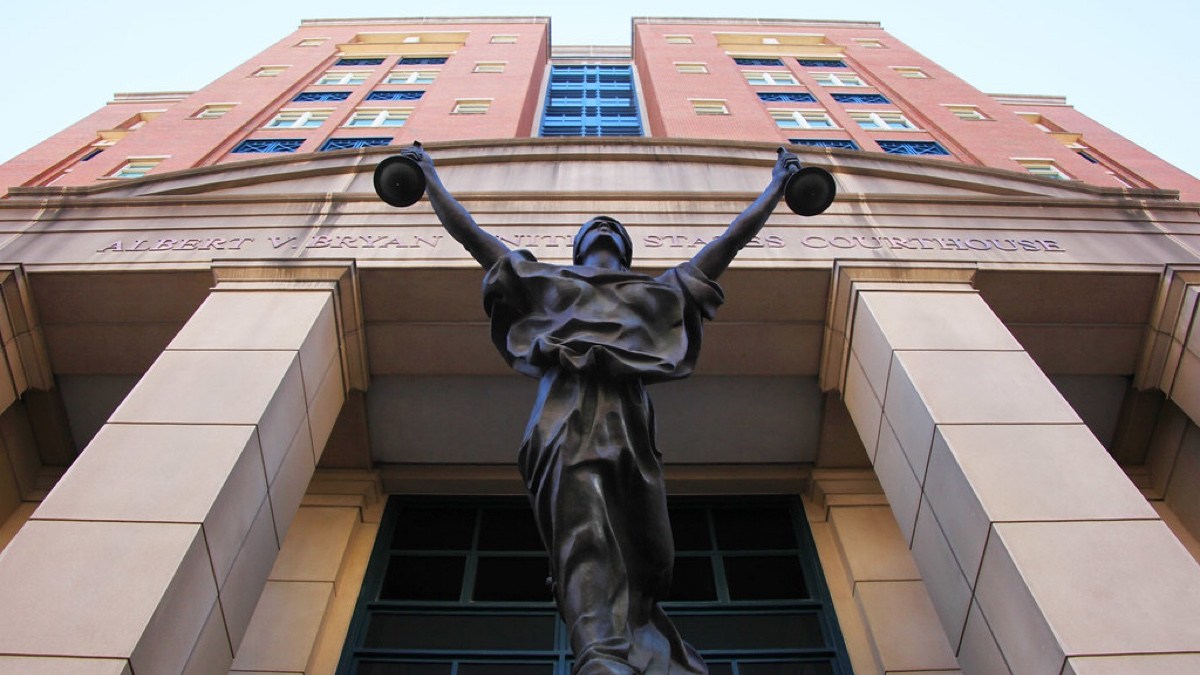
A five-week murder trial in Plymouth Superior Court has reached a critical point as twelve jurors weigh whether Lindsay Clancy should be held criminally responsible for the deaths of her three children. The jury began deliberating Thursday afternoon and had spent 17 hours considering the evidence by Tuesday morning, according to People.
Clancy, a 36-year-old former labor and delivery nurse from Duxbury, Massachusetts, is charged with first-degree murder in the January 2023 deaths of Cora, 5, Dawson, 3, and Callan, 8 months. She does not dispute strangling her children but has pleaded not guilty by reason of lack of criminal responsibility.
Her defense has argued that postpartum psychosis left her unable to understand the nature or wrongfulness of her actions. Prosecutors, however, have argued that she knew what she was doing and that the killings were premeditated, leaving the jury to weigh competing accounts of her mental state.
Here’s what the jury told the judge
The case has required jurors to work through four weeks of testimony, including evidence from over 80 witnesses and 300 exhibits. The panel of nine women and three men has also reviewed competing testimonies from medical experts about Clancy’s mental state following the birth of her third child, showing how juror questions can affect a murder trial.
The jury sent Judge William Sullivan a note Tuesday morning saying, “After many hours of deliberation, we are unable to come to a unanimous decision.” Sullivan acknowledged the length and complexity of the trial before instructing the jurors to return to the jury room and continue deliberating.
The development does not yet mean the case has ended in a hung jury. Jurors still have several possible verdicts to consider, including first-degree murder, second-degree murder and manslaughter, as well as an acquittal based on lack of criminal responsibility.
If the jury ultimately cannot reach a unanimous verdict, Sullivan could declare a mistrial, after which prosecutors would have the option of retrying the case with a new jury. Before that happens, the judge could potentially issue a “dynamite” instruction encouraging jurors to reconsider their positions and continue trying to reach a unanimous verdict.
The defense and prosecution remain sharply divided over what happened inside Clancy’s mind before the killings. Her attorney, Kevin Reddington, has argued that her deteriorating mental health and treatment contributed to the deaths, while prosecutors have maintained that Clancy deliberately killed her children and understood her actions, making mental health questions in a murder case particularly consequential.
Outside court, Reddington was asked what a hung jury would mean for the case. His blunt response was: “Try it again.”
Have a tip we should know? [email protected]
Follow The Mary Sue:
