


JetBlue’s hidden pricing trick just got exposed and passengers are suing after discovering what the airline knows about them
Breach of privacy.
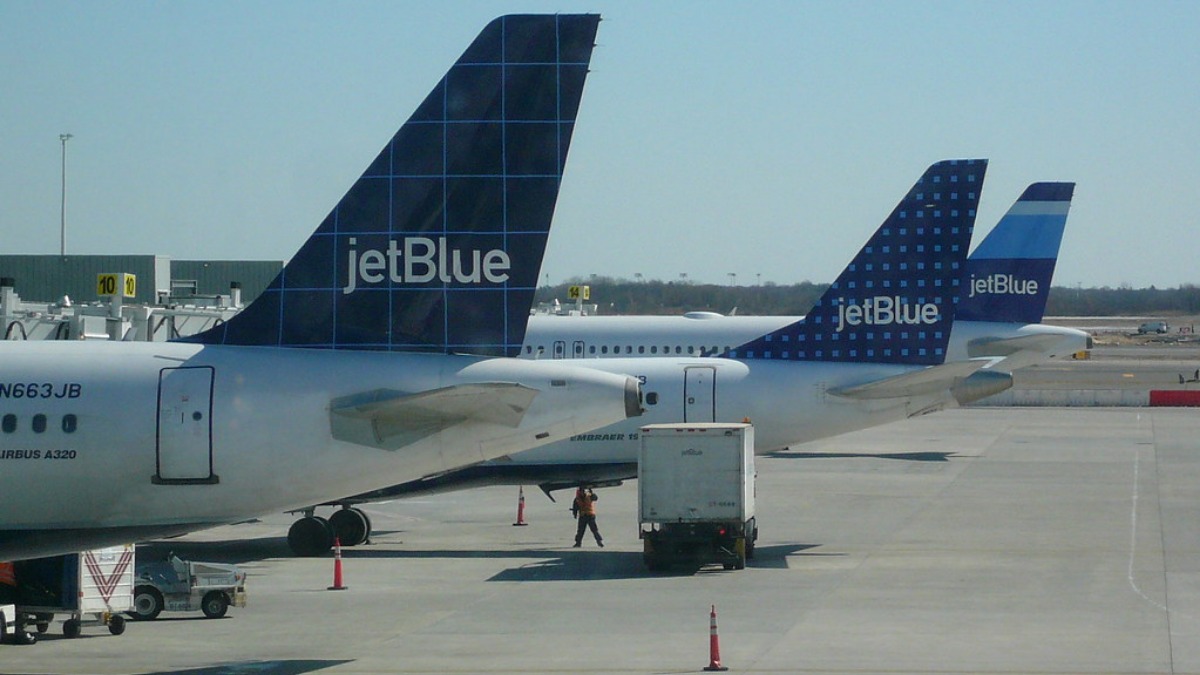
JetBlue just got hit with a lawsuit alleging the airline uses passengers’ personal data to jack up ticket prices, and the whole thing started with a recent X post. A proposed class action complaint filed this week claims JetBlue tracks everything from your payment details to your browsing habits, then feeds that info into an algorithm to set fares that the lawsuit calls “dynamic surveillance pricing.” The airline denies it, but lawmakers aren’t buying the explanation, and now they’re demanding answers.
According to The Hill, the lawsuit centers on New York resident Andrew Philipps who booked a flight to Florida in December. According to the complaint, JetBlue collected his personal details, accommodations preferences, and payment info without his knowledge, then allegedly shared that data with third parties to influence pricing.
The filing argues that airfare should be the same for every passenger in the same seat, not a moving target based on how much the airline thinks you’ll pay. “Consumers should not have to have their privacy rights violated to participate in Defendant’s digital rat race for airline tickets,” the lawsuit states.
The whole thing is a gross violation of rights
The situation arose after an April 18 X post where user @NuggetSince94 complained about a $230 price hike on a ticket in just one day. They mentioned they were trying to make it to a funeral, making the situation even more frustrating. JetBlue’s official account responded with a now-infamous and deleted suggestion: clear your cache and cookies or try booking in an incognito browser.
That reply immediately raised red flags. If prices aren’t influenced by personal data, why would clearing your browsing history make a difference? JetBlue walked back the response fast, calling it a “mistake” from a single customer service rep.
A spokesperson told The Hill that fares are based on demand and seat availability, not personal data, and that all customers see the same prices online and in the app. But the damage was already done. The exchange caught the attention of Rep. Greg Casar and Sen. Ruben Gallego, who fired off a letter to JetBlue CEO Joanna Geraghty demanding transparency about how the airline defines and uses personal data.
The lawmakers’ letter pulls no punches
They want to know if browser data, cookies, or incognito mode can actually affect the price you’re offered. They’re also asking whether JetBlue works with third-party companies that specialize in using personal data to recommend prices, and if artificial intelligence plays a role in setting fares.
It specifically calls out JetBlue’s privacy policy, which defines “personal information” narrowly as things like mailing addresses and phone numbers. But if the airline is tracking browsing habits, shopping behavior, and purchasing history, is that data considered personal? And more importantly, is it being used to adjust prices?
The questions don’t stop there. Casar and Gallego want a full breakdown of what data JetBlue collects, how long it’s stored, and whether the airline buys customer data from third parties. They’re also asking if JetBlue uses that data to set personalized or differential prices, how often that happens, and how many customers are affected. The lawmakers gave Geraghty until April 30, 2026, to respond, though it’s unclear if the airline will meet that deadline.
For passengers, this lawsuit is a wake-up call
If JetBlue is tracking your browsing history, payment methods, or even how urgently you need a flight, it’s not hard to imagine an algorithm deciding you’re willing to pay more. The idea that someone booking a last-minute flight for a funeral could get hit with a higher price because the airline thinks they have no other choice is unsettling.
This isn’t the first time airlines have faced scrutiny over pricing practices. Dynamic pricing is common in the industry, but using personal data to set fares takes it to another level. Most passengers assume they’re seeing the same prices as everyone else, but if JetBlue is using algorithms to adjust fares based on individual behavior, that assumption goes out the window.
The lawsuit argues that this practice violates privacy rights and turns ticket buying into a “digital rat race” where the deck is stacked against the consumer. The bigger question is how widespread this practice might be. JetBlue isn’t the only airline collecting vast amounts of customer data, and if one carrier is using it to influence prices, others might be doing the same.
The lawsuit could set a precedent for how airlines handle personal data, especially if lawmakers push for stricter regulations. For now, passengers are left wondering just how much their browsing history, payment methods, or even their reason for traveling could be affecting the price they pay.
If you’re booking a flight anytime soon, it might be worth trying a few different browsers or clearing your cookies before you check prices. And if you notice a sudden jump in fare, you’ll know exactly who to blame. JetBlue’s response to the lawsuit will be telling, but until then, the airline’s reputation is taking a serious hit. Privacy concerns aside, the idea that an algorithm could decide you’re willing to pay more just because you’re in a hurry is a hard pill to swallow.
(Featured image: mrkathika)
Have a tip we should know? [email protected]
Follow The Mary Sue:
