


FIFA Brass Allegedly Steamrolled Dissenters in Miami to Force a Controversial Ticketing Strategy on American Fans
Revenue over inclusivity?
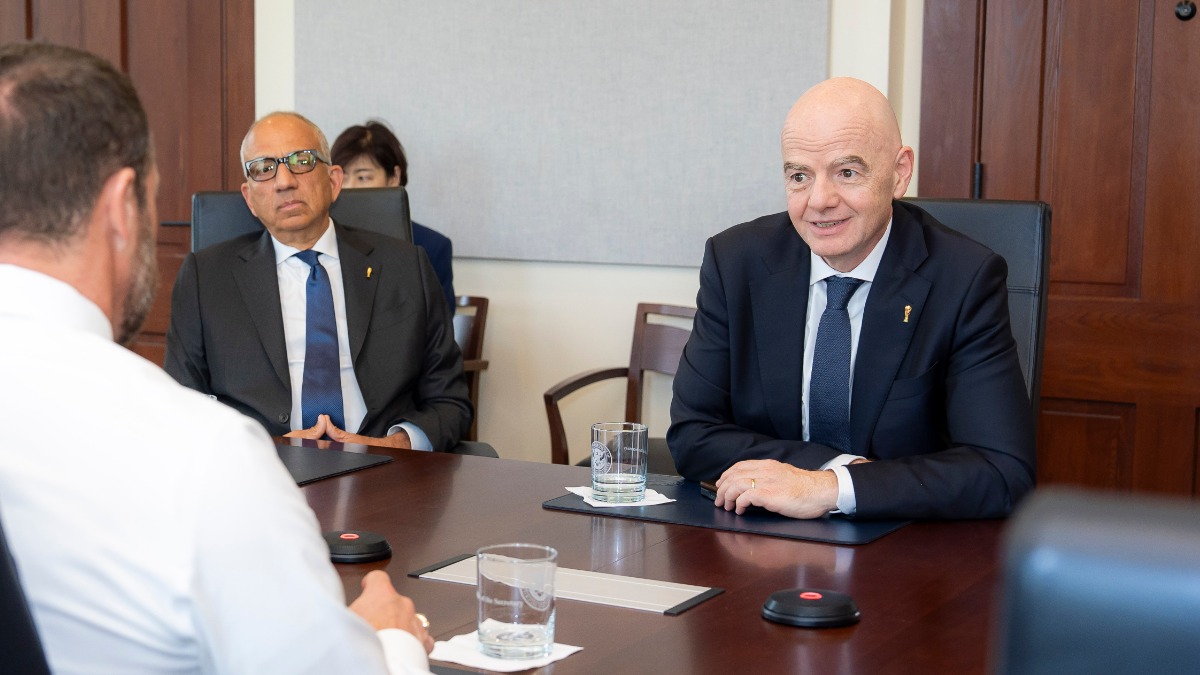
FIFA is said to have steamrolled its own U.S.-based staff to force a controversial dynamic ticketing strategy on American fans for the 2026 World Cup. Sources told The Guardian that a number of FIFA’s Miami-based employees initially pushed back against the pricing model, arguing for more affordable general admission options.
The organization’s leadership overruled them, framing the tournament as a once-in-a-generation chance to maximize revenue in a wealthy market. The final call was approved by FIFA’s executive committee, though it’s still unclear whether FIFA president Gianni Infantino’s office made the ultimate decision. In a statement to The Guardian, FIFA insisted everyone in the organization is aligned on the strategy.
That’s a tough sell when the bid book submitted by the U.S., Canada, and Mexico in 2018 explicitly said dynamic pricing wasn’t part of the plan. The document even noted FIFA had instructed the hosts not to jack up prices on high-end tickets. “We have not factored in dynamic ticket pricing,” the bid book stated, “nor, per instruction, have we applied any premium on hospitality or other high-quality seats.”
Fast forward to 2026, and those instructions seem to have been tossed out the window
Ticket prices now range from $60 to $2,735 for group-stage matches, climbing to $2,020 to $7,875 for the final. For comparison, the 2022 World Cup in Qatar had prices between $69 and $1,607. FIFA is projecting $3 billion in ticket sales alone, part of an overall revenue haul of around $11 billion.
The organization is quick to point out that 99.54% of seats have been filled across the first 36 games, but that doesn’t tell the whole story. Many of those tickets are reselling for even more on the secondary market, with final tickets listed for as much as $28,500. In the US, resale is legal, so FIFA isn’t just cashing in on the initial sale – it’s benefiting from the markup too.
FIFA’s spokesperson doubled down, saying, “FIFA’s ticketing policy followed extensive consultation and agreement with all areas of the organisation. No alternative plans were ever presented, so there is no substance to these claims.” It’s hard to square that with the fact that US-based staff were pushing for a different approach, only to be overruled by leadership. The message seems clear: when it comes to revenue, dissent isn’t welcome.
Brace yourself for what’s waiting inside the stadium
Food and drink prices are all over the map, and FIFA isn’t doing anything to rein them in. The organization doesn’t dictate concession prices, leaving stadium operators to set their own rates. That means your experience can vary wildly depending on where you’re watching the match.
In Atlanta’s Mercedes-Benz Stadium, the “Fan First Pricing” scheme keeps costs low, according to UNILAD. You can grab a hot dog, pretzel, popcorn, or soft drink for around $2, while pizza slices and nachos run about $3. It’s a refreshing change from the norm, proving that affordable concessions are possible even at a major event like the World Cup.
But don’t expect that kind of deal everywhere. At several other host venues, beer prices are in line with what you’d pay at a typical North American sporting event – think $15 or more for a pint. That means you could easily spend more on a couple of drinks than you would on a reasonably priced ticket back home.
Geography plays a role too. Mexican host venues tend to be cheaper on average than those in the U.S. and Canada, likely reflecting the lower cost of living. It’s an awkward contrast for FIFA, especially when Atlanta’s pricing shows that affordability isn’t just a pipe dream.
FIFA is recovering from a messy U-turn on reusable water bottles
Earlier this month, FIFA announced that reusable bottles wouldn’t be allowed inside stadiums, citing safety concerns. The backlash was immediate. Supporter groups and sustainability campaigners argued the ban would drive up costs and plastic waste, forcing fans to buy expensive disposable bottles instead. FIFA eventually walked back the policy in the US and Canada, allowing one factory-sealed disposable bottle per spectator.
Reusable bottles, however, are still banned. It’s a strange move for an organization that’s been eager to tout its Sustainability and Human Rights Strategy. The episode highlights a glaring tension: FIFA wants to promote its environmental credentials, but its decisions often prioritize security and commercial partnerships over sustainability.
FIFA’s approach to ticketing and concessions feels like a missed opportunity. The organization had a chance to make the World Cup more accessible to everyday fans, but instead, it’s leaning into a strategy that prioritizes revenue over inclusivity. The contrast between Atlanta’s affordable concessions and the sky-high prices at other venues only underscores how disjointed the experience can be.
(Featured image: DHSgov)
Have a tip we should know? [email protected]
Follow The Mary Sue:
