


FCC’s Brendan Carr calls Talarico’s Kimmel interview a calculated hoax, accusing the Democrat of exploiting broadcast regulations for campaign cash
Nine million views and counting.
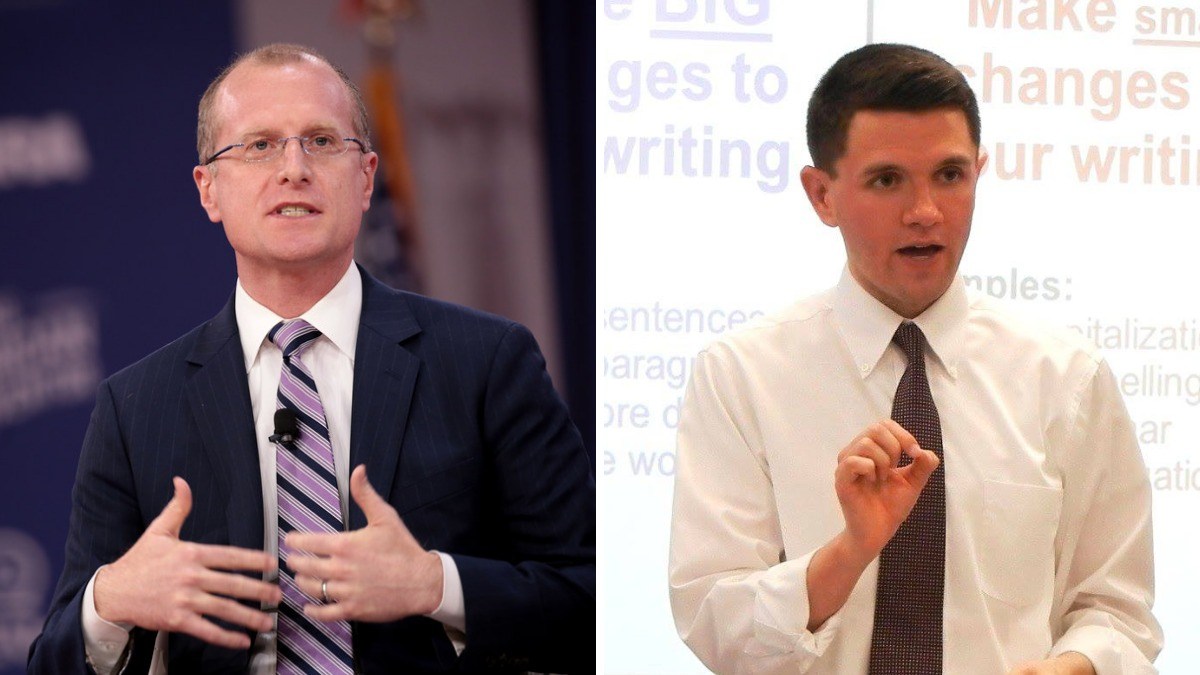
The ongoing tension between broadcast networks and the Federal Communications Commission (FCC) reached a new peak this weekend. FCC Chairman Brendan Carr publicly slammed Texas Democratic Senate candidate James Talarico, labeling his recent interview with late-night host Jimmy Kimmel a calculated hoax. According to Variety, the interview, which was originally intended for television, was shifted to YouTube to avoid potential regulatory scrutiny.
Carr argued that Talarico is simply leveraging these situations to generate clicks and campaign donations, banking on the idea that the public does not fully grasp the complexities of federal broadcast statutes. The conflict centers on the FCC equal-time rule, a regulation requiring broadcast stations to provide equivalent airtime to political candidates if they feature one on their programs. While late-night and daytime talk shows have historically enjoyed an exemption from this rule, the current climate has shifted.
Earlier this year, Carr initiated a formal review to determine whether popular programs like The View should continue to qualify for this exemption. He has expressed concern that these shows often function as partisan platforms for Democrats, suggesting they should be subject to the same regulations as other news programs, including prohibitions against news distortion.
Jimmy Kimmel had addressed the situation directly at the start of his segment
The late-night host stated, “We are being targeted by the FCC for the crime of interviewing political candidates.” Kimmel said his show has hosted numerous candidates in the past, including Donald Trump. He claimed that the FCC’s pressure forced the network to bypass the public airwaves to avoid putting local ABC affiliates in a difficult position. On YouTube, the interview helped the show reach a massive audience, recording over 9 million views as of September 14.
Talarico had framed the situation as a clear case of government overreach. He described the decision to pull his interview from the broadcast schedule as a form of censorship. He labeled it the interview that the current administration does not want the public to see. Talarico’s campaign has consistently characterized these incidents as dangerous examples of ‘cancel culture’.
This is not the first time the candidate has found himself in this position. In February, a similar interview with Stephen Colbert was pulled from the CBS broadcast schedule after network executives provided legal guidance regarding potential violations of the equal-time rule.
Carr remains firm in his position that the FCC is simply upholding its mandate
In a detailed response on X, he argued that the equal-time statute is about promoting more speech rather than restricting it. He noted that the rule is designed to prevent media gatekeepers from picking winners and losers in an election by granting preferential airtime to specific candidates.
Carr also emphasized the unique nature of broadcasters, who receive exclusive access to public spectrum worth billions of dollars in exchange for meeting public interest obligations. He stated, “If anyone else wants to use that same public resource for the purpose of expressing their own views, the government will not let them.”
The debate became more heated when the University Democrats at UT Austin questioned why Talarico could not appear on television while Sen. Ted Cruz was recently featured on ESPN’s College GameDay. Carr quickly corrected the premise of the comparison.
He pointed out that the equal-time rule applies specifically to broadcast television stations, not cable networks like ESPN. Furthermore, the statute only applies to legally qualified candidates running for office, and Cruz is not currently up for reelection.
The legal battle between ABC and the FCC continues to unfold in federal court
Last month, the network filed a lawsuit alleging that the FCC is waging an extraordinary assault on its First Amendment rights. ABC claims that the commission is using the license renewal process for its eight owned-and-operated stations as a tool to retaliate against content that the administration dislikes. The FCC has asked the court to dismiss the lawsuit, arguing that its actions are based on an investigation into employment practices and that the network failed to prove any illegal retaliation.
As the political season progresses, the friction between regulatory enforcement and editorial independence shows no signs of cooling down. According to Deadline, Kimmel even noted that he would be happy to interview Talarico’s opponent, Ken Paxton. However, the logistics of the equal-time rule make it nearly impossible given the number of candidates on the ballot.
For now, the digital space remains the primary venue for these contentious political discussions, as both the candidates and the networks navigate a landscape where the rules of the road are being strictly enforced. Carr continues to insist that broadcasters must follow the rules they agreed to when they accepted their licenses, while networks maintain that these regulations are being weaponized to suppress specific viewpoints.
Have a tip we should know? [email protected]
Follow The Mary Sue:
