


Fans Are Being Priced Out of the World Cup, and NYC’s Mayor Says FIFA Has Enough Cash to Stop the Gouging
Gaps that shouldn’t exist.
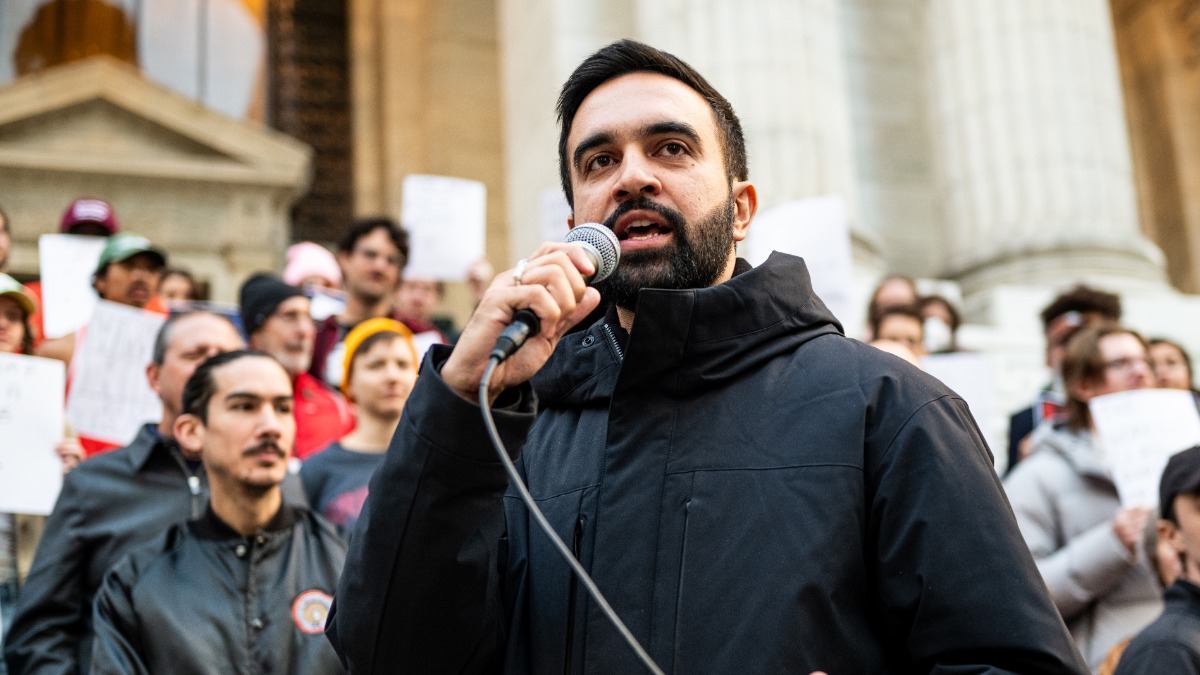
Fans are getting squeezed out of the World Cup this year, and New York City mayor Zohran Mamdani is calling out FIFA for letting it happen. Mamdani says the tournament is raking in billions, yet tickets, hotels, and even basic transportation are costing way more than they should. With first-round games priced anywhere from $350 to a jaw-dropping $5,000, it’s no surprise supporters are feeling the pinch.
While some transit prices got slashed after backlash, they’re still 10 times higher than usual. Mamdani is pushing back, arguing FIFA has more than enough cash to make the World Cup accessible without turning it into a luxury event. Mamdani, who took office in January, told BBC Radio 5 Live. “We made it clear from the beginning we wanted this to be a World Cup for everyone,” he said. But right now, it’s anything but.
Train tickets to New York New Jersey Stadium are nearly $100, a decision Mamdani says transport officials had to make to avoid losses. The problem, he points out, is that FIFA’s host city agreements leave fans footing the bill for gaps that shouldn’t exist. “I think there is more than enough generated not just at this World Cup but at every World Cup, so those costs are covered, and fans are not the ones having to bridge that deficit,” he said.
What are FIFA’s projected earnings for this tournament?
Nearly $9 billion – more than the Paris 2024 Olympics. So, the question is: why are supporters the ones getting nickel-and-dimed? The numbers don’t lie. BBC Sport crunched the costs for England fans attending all three group-stage matches, and the total came out to around £6,500. That’s not pocket change for most people and it is a reflection of the affordability crisis.
Mamdani knows this, and he’s trying to soften the blow where he can. New York has set up free fanzones across the city, and he’s proud of securing 1,000 tickets priced at just $50 for each game. When he took office, those fanzones were supposed to cost money, but he pushed to make them free.
“When you saw those ticket prices, there was a fear for how everyone would be able to be a part of this,” he said. It’s a small step, but it’s something. The city also rolled out a $26 World Cup meal deal at 900 bars and restaurants, because if you’re going to watch the games, you might as well eat while you’re at it.
Mamdani’s fight against the “commodification of sports” isn’t new
According to Reuters, he laid out plans to make the World Cup more accessible by broadcasting matches on hundreds of LinkNYC digital kiosks across the five boroughs. These 55-inch screens, usually reserved for ads or public service announcements, will air select games, giving New Yorkers without cable or streaming a chance to tune in. It’s not just about the World Cup, either.
Earlier this month, he worked with the NBA to put two NBA Finals games on those same kiosks, letting fans catch the Knicks’ historic playoff run without needing a pricey subscription. “Whatever infrastructure we have, we should be using it to make it easier to be a part of the game,” Mamdani said. It’s a simple idea, but one that makes a difference.
The mayor’s efforts don’t stop at free broadcasts. He’s also tackled the absurd prices of World Cup merch. His office launched a line of New York City-inspired soccer jerseys, made in Brooklyn and sold at cost for around $50. Compare that to the $130 USA jerseys being hawked at stadium kiosks, and it’s a no-brainer. The first run of 1,500 jerseys sold out fast, and another batch is on the way.
Mamdani even wore one to the first World Cup game at the New York/New Jersey stadium, posting a photo in the cheap seats with the caption, “1,000 New Yorkers won our lottery for affordable tickets to the World Cup. Today, we celebrated in the stands for the first NY/NJ game of the tournament. The beautiful game belongs to everyone.” It’s a sentiment that resonates, especially when dynamic ticket pricing has put games in New York and Miami out of reach for so many.
Not everyone’s on board with Mamdani’s approach
Knicks owner James Dolan wasn’t exactly thrilled when the mayor’s office set up security measures outside Madison Square Garden during the NBA Finals. Dolan called the area around the arena “a police state,” but Mamdani’s focus has always been on the fans, not the billionaires who own the teams. And let’s be real, his policies are popular.
Lee Igel, a clinical professor at NYU’s Tisch Institute for Global Sport, put it best: “Sports traditionally weren’t regarded as something serious. So if you’re in a political position or elected office and started talking about that, come on, it’s the rent, right? It’s the food on the table.” Mamdani gets it. He understands that sports are more than just entertainment. They’re a way for people to connect, to celebrate, and to feel like they’re part of something bigger.
The World Cup should be a celebration, not a financial burden. Mamdani’s right when he says FIFA has the money to make that happen. The question is, will it? For now, New Yorkers at least have a mayor who’s fighting to keep the game accessible. Whether it’s free fanzones, affordable tickets, or cheap jerseys, he’s making sure the World Cup doesn’t become just another luxury product. And in a city where everything seems to come with a hefty price tag, that’s a win.
(Featured image: Bingjiefu He)
Have a tip we should know? [email protected]
Follow The Mary Sue:
