


Do Trees Have Rights? Yes, According to One Town in Quebec
A Growing Movement Is Giving Rights to Trees, Rivers, and Other Elements of Nature
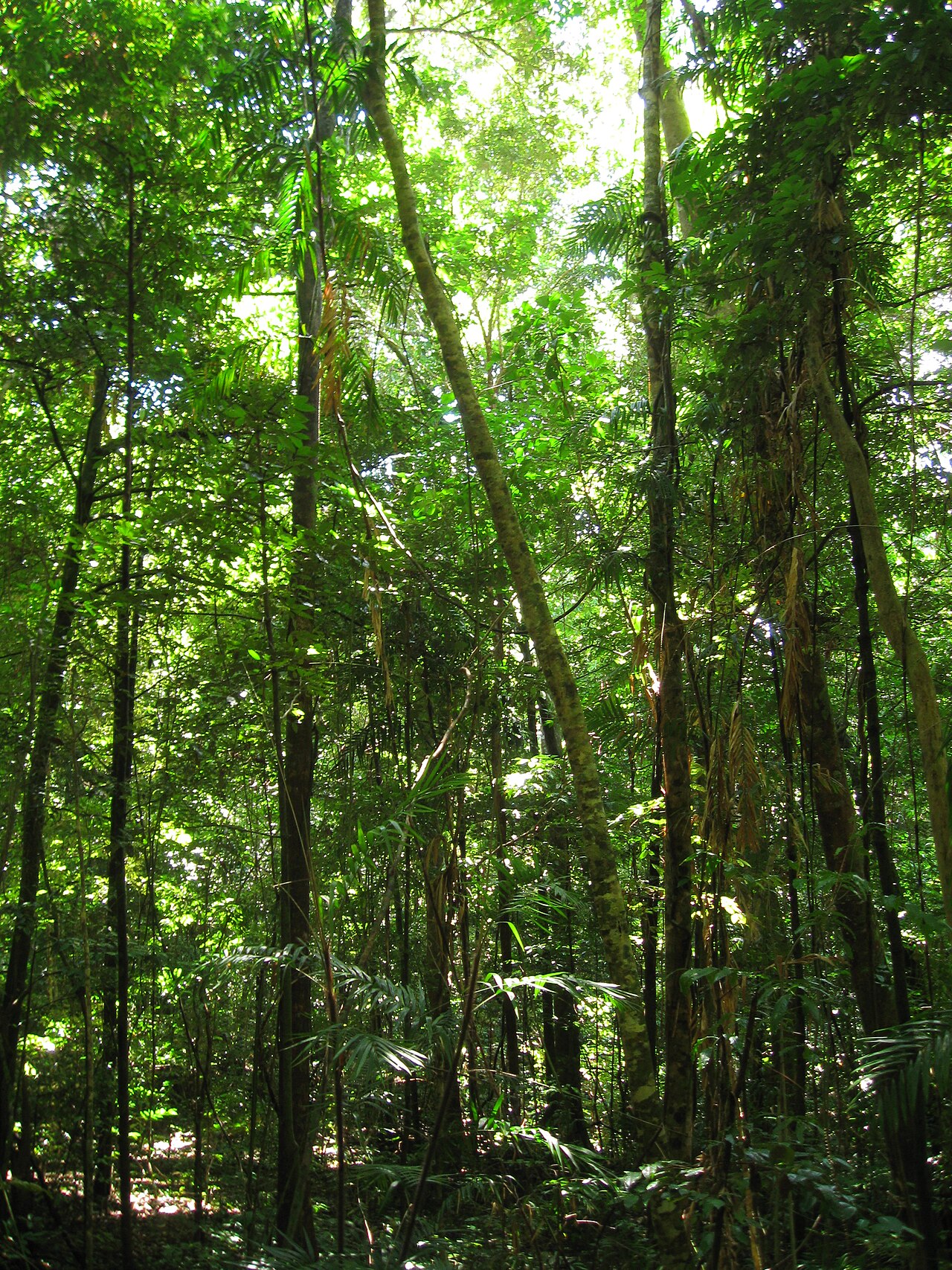
The loss of human rights has become an increasing concern around the world, but some communities are also concerned about the rights of non-humans. In fact, Terrasse-Vaudreuil, a tiny town in Quebec, has determined that trees have rights, and they aren’t the only ones granting rights to nature.
This town is just the latest in the region to do something along these lines as part of a growing Rights of Nature movement. Just five years ago, in 2021, a regional council and the Innu Council of Ekuanitshit granted legal personhood to Quebec’s Magpie River.
Considering all the good trees do for humanity, such as making the air more breathable and cooling things down when temperatures rise, the move isn’t as strange as it might sound at first. But what exactly is the Rights of Nature movement, and what does it mean that these trees now have rights of their own?
What Is the Rights of Nature Movement?
For millennia, humanity has treated land and nature itself as property under the law. Because of this, environmental protection laws can only go so far as to decide how much destruction to nature is legally allowed within the law. The land has no standing or rights in this scenario.
The Rights of Nature movement is simply the recognition that nature and everything in it, such as trees and rivers, have rights just like people do. A long-held tradition in many Indigenous cultures, this belief states that, like humanity, nature has the right to exist, maintain, persist, and regenerate as needed.
With this recognition, nature and all it holds have legal rights in cases where corporations or individuals have harmed ecosystems.
What Rights Did Terrasse-Vaudreuil Give to Its Trees?
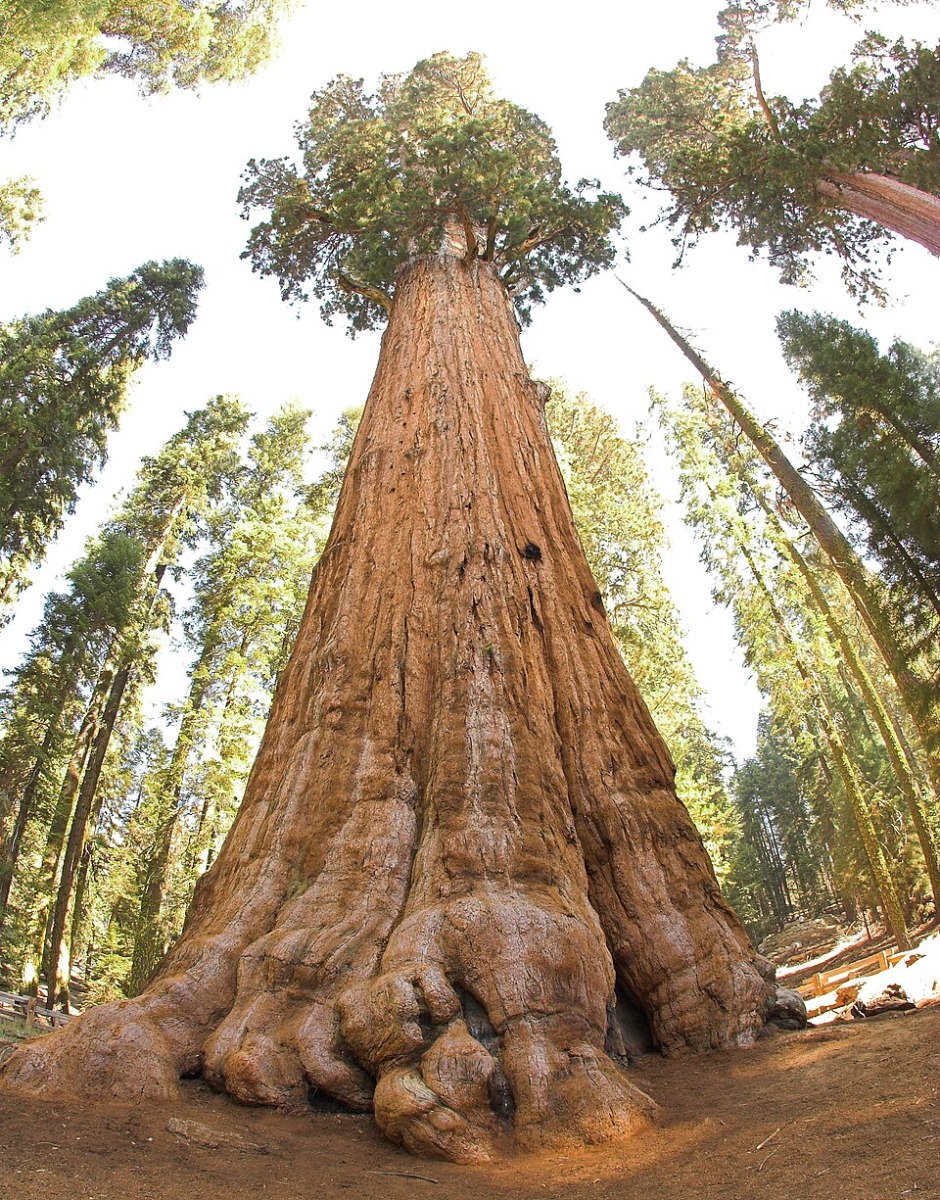
Terrasse-Vaudreuil decided to grant its trees rights after experiencing a series of damaging floods in just a few years. Due to the floods, the town’s residents began to see the trees as protection rather than simply as green scenery.
On June 9, 2026, the town’s council voted to sign onto the Universal Declaration of the Rights of the Tree. This universal declaration is based on the idea that trees are living entities on which life on Earth depends, and that humanity should act with a spirit of “fraternity and solidarity” towards them.
A global petition that began in 2018, the Universal Declaration of the Rights of the Tree states that trees have: a right to life, a right to integrity, a right to natural growth, and a right to regeneration. Now that the council has signed on to the declaration, it plans to review the town’s existing laws regarding trees to ensure better protections.
As Good Green News reported, a lawyer with Ecojustice, Karine Peloffy, explained, “We know corporations have legal personhood and rights, and they are definitely not living. So if some nonliving things can have legal personhood, what’s stopping living beings from equally getting legal personhood?”
(featured image: Wikimedia Commons/Killerscene)
Have a tip we should know? [email protected]
Follow The Mary Sue:
