Democrats and Republicans trade explosive accusations over ties to Jeffrey Epstein in midterm race: ‘…call is coming from inside the house’
Leaving no stone unturned.
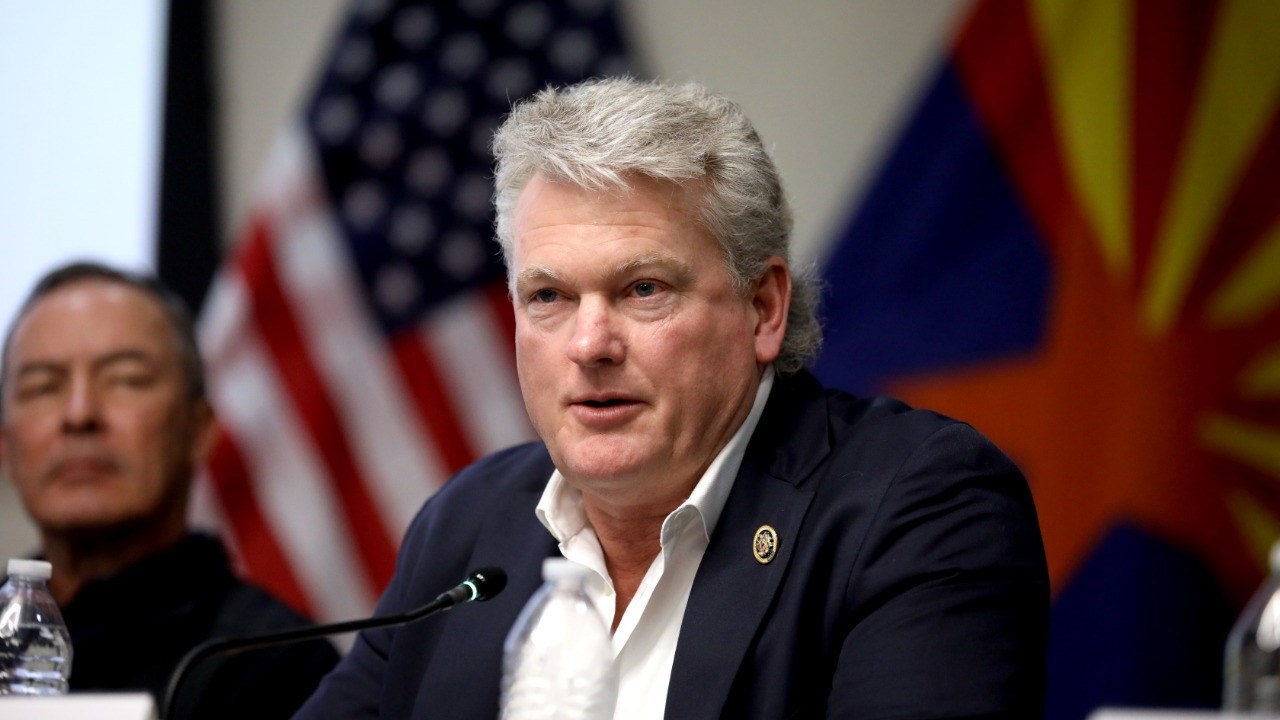
The midterm election cycle has taken a dark and aggressive turn as Democrats and Republicans trade explosive accusations regarding ties to the late Jeffrey Epstein. According to The Guardian, candidates are flooding the airwaves with millions of dollars in advertising, attempting to link their opponents to a man who became a symbol for corruption and predatory behavior. This strategy has turned the name of a deceased sex offender into a primary political weapon.
Democrats have been particularly aggressive in this arena. Data shows they have spent massive sums of money to run ads that target Republican candidates for their past voting records. Specifically, these ads focus on GOP lawmakers who opposed early efforts to force a vote on releasing files related to Epstein. An analysis from AdImpact, as cited in The Washington Examiner, indicates that Democrats have poured over $36 million into these specific types of advertisements during this midterm cycle.
The Senate Majority PAC, led by Chuck Schumer, reportedly spent over $20 million alone on these spots in key battleground states like Maine, Iowa, Ohio, Kansas, Georgia, and Alaska. The messaging in these ads is clearly designed to provoke a visceral reaction. By framing Republican votes against early procedural motions as an attempt to protect a pedophile, these campaigns are leaning into deep-seated public fears.
The candidates are doing everything they can to sway public opinion
One ad targeting Georgia Senate candidate Mike Collins claims, “Mike Collins voted against releasing the Epstein files even after he knew Epstein’s sex-trafficking operation exploited 14-year-old girls for sex”. Similar attacks have been leveled against candidates like Jeff Crank in Colorado and Ashley Hinson in Iowa. In Colorado, the family members of Virginia Giuffre appeared in an ad claiming that Crank “covered up Epstein’s crimes to protect Donald Trump”.
The backlash from targeted Republicans has been swift and pointed. Many of them argue that the ads are misleading because they omit the fact that nearly every House Republican eventually voted in favor of the Epstein Files Transparency Act once it came to the floor. Ashley Hinson released a direct-to-camera ad to counter the claims. “This week I had to explain to my boys, ‘No, Mom does not protect pedophiles,’” Hinson said. She also accused her opponent, Josh Turek, of lying about her record.
The situation in Washington often becomes complicated by internal party dynamics. Last year, a group of Democrats and a few House Republicans tried to use a discharge petition to bypass traditional legislative hurdles to force a vote on the files. Trump originally opposed this move, reversing a campaign promise regarding government transparency, which led many House Republicans to align with him. This created a friction point with his own base.
Eventually, Trump supported the legislation, which allowed the act to pass with near-unanimous Republican support. The current ad campaigns frequently ignore this final consensus, focusing instead on the procedural hurdles from earlier in the process.
Republicans are not staying quiet while these accusations fly
Some have decided to flip the script by pointing to the financial ties of Democratic candidates. During a Georgia Senate debate, Mike Collins accused his opponent, Jon Ossoff, of taking campaign donations from Reid Hoffman, a tech billionaire with historical links to Epstein.
Hoffman has stated that his past association with Epstein was strictly limited to fundraising and that he regrets the connection. Collins did not hold back during the debate, telling Ossoff, “You can claim to fight against the Epstein class, but I’m going to tell you, this call is coming from inside the house and the Epstein class is on stage right now and it’s you”.
The term “Epstein class” has surfaced as a way to describe a perceived elite group involved in scandal. This rhetoric gained steam after a July 2025 memo from the FBI and Department of Justice found no evidence of a secret client list or blackmail schemes. Despite these official findings, public interest remains high.
In New Mexico, an outside group attacked Democrat Deb Haaland by claiming she took a ride on Epstein’s private jet and accepted money from his businesses. While Haaland did take a flight booked by one of Epstein’s companies in 2014, she has maintained she was unaware of the ownership connection.
Other GOP efforts have focused on local issues
In Kansas, an ad targeting Senate candidate Adam Hamilton was filmed in the style of the show To Catch a Predator, accusing him of mishandling sexual abuse allegations. This cycle of accusations suggests that both parties view the topic as a way to define their opponents as morally compromised.
Whether this strategy will actually resonate with voters remains to be seen, but the sheer volume of over 500 ads featuring Epstein or pedophiles shows just how central this topic has become to the current political environment.
Have a tip we should know? [email protected]
Follow The Mary Sue: