


Black Michigan mom takes baby clothes to a resale shop, then accuses staff of racism: ‘They didn’t even go through my bin’
She says staff wanted sizes she had already brought—and rejected the entire tote.
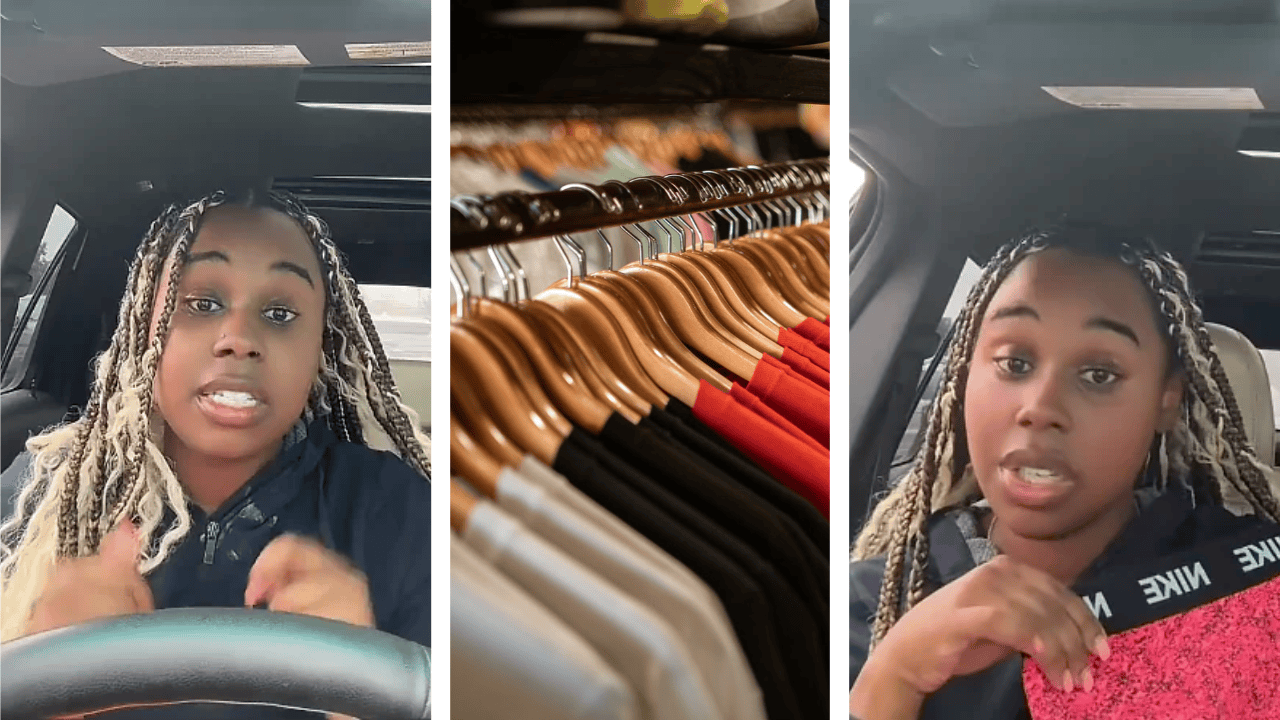
A Michigan mother accused Children’s Orchard in Brownstown of racism after employees rejected an entire tote of baby clothes. Staff allegedly cited condition and sizing problems, but she says their explanations did not account for the new and lightly worn items she brought.
In a TikTok video, she describes feeling unwelcome at the Gibraltar Road location before anyone assessed her clothing. She says she saw no shoppers or workers who looked like her and felt people stared as though she did not belong.
“They didn’t even go through my bin,” she alleges. She shows viewers the returned clothing, pointing to size labels and garments still turned inside out as reasons she questions how thoroughly employees inspected her items.
She says the clothes included sizes staff wanted
The mother says she left the tote with employees and returned to learn they would not purchase anything. According to her account, staff told her they needed 9-month and 24-month clothing.
She challenged that explanation because she says she had included both. In the video, she holds up several pieces with those labels, including an outfit she describes as never worn and a 9-month garment she says her daughter wore once.
“Does that look like bad condition to you?” she asks while displaying the clothes. She also shows a matching outfit and other pieces she considers suitable for resale.
The mother acknowledges that some clothing had stains. She says employees identified those items, but she wanted an explanation for why they declined the rest.
“What about all the other stuff that don’t have a stain?” she recalls asking. “And what about all the other stuff that is the sizes that you need?”
She says the stained pieces were near the top of the tote. Farther down, she shows garments that remained inside out, arguing that employees would have turned them the right way around to inspect them.
“My bin was given back to me the exact same way I packed it up,” she says. The video does not show the store’s assessment or her conversation with employees, so it does not establish which pieces they examined.
What the store asks sellers to do
Checking a resale shop’s buying needs before packing clothing can help parents decide what to bring. The Brownstown location’s selling guidelines direct customers to Facebook for current inventory needs and invite them to contact the store with questions. The mother does not say she called ahead.
The location asks sellers to bring freshly laundered clothing laid flat, with matching sets together. Garments should reflect styles from the past three to five years and be free of stains, tears, fading, and pilling.
Its buyers consider brand, condition, style, and demand. A garment can therefore match a requested size without meeting every buying requirement, and an unworn item does not necessarily qualify just because a child never used it.
The store’s guidelines don’t say that finding a stain means staff will stop checking the rest of a tote, either. They don’t explain how buyers handle inside-out clothes, either. The mother wanted to know why employees rejected the other pieces, and she says their answers didn’t make sense.
She also says the problem started before she handed over the clothes. She felt people stared at her when she walked in, and the conversation about the rejection reinforced her belief that staff treated her differently because of her race.
She ends by asking people who look like her not to shop there. The video shows her explaining what happened afterward; it does not show the exchange with employees.
Have a tip we should know? [email protected]
Follow The Mary Sue:
