


California warns of 2 deadly mushrooms blooming after El Niño rains. Victims can start feeling better just as the toxin attacks their liver
Just a touch can make you sick.
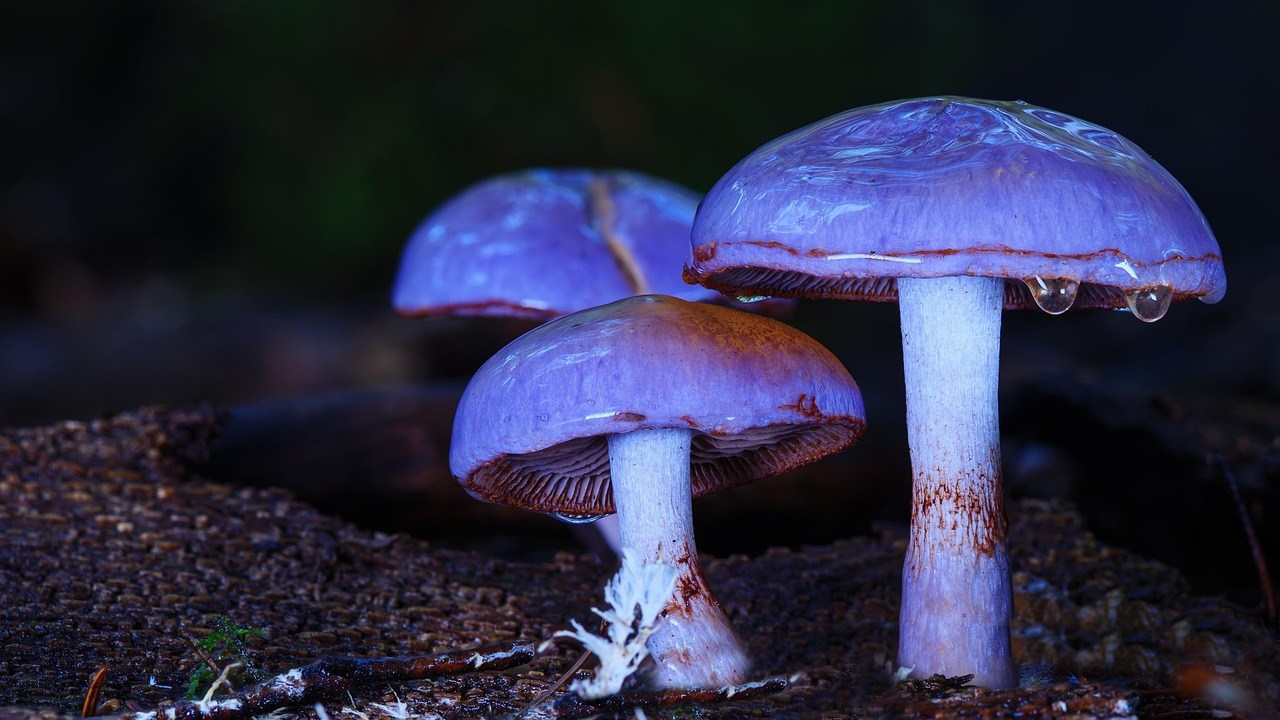
The California Department of Public Health (CDPH) has issued a health advisory about two types of deadly mushrooms blooming in the wake of El Niño rains. The poisonous mushrooms blooming are the Death Cap (Amanita phalloides) and the Western Destroying Angel (Amanita ocreata), which which can easily be mistaken for edible varieties.
In May 2026, three adults were hospitalized after picking wild mushrooms in Napa County, where Death Caps and Western Destroying Angels were blooming, according to the New York Post. These mushroom varieties bloom during rainy seasons, but the CDPH said that it’s not certain how the anticipated El Niño will affect the upcoming season regarding the quantity of Death Caps and Western Destroying Angels.
The CDPH attributed 50 poisoning cases to these two mushroom varieties between November 2025 and May 2026, four of which resulted in liver transplants and another four that resulted in death. Foraging for wild mushrooms is being strongly discouraged in California for the time being, and no end date for when it could be safe has been provided. Sightings have already been reported across the San Francisco Bay Area and the Los Angeles area, the CDPH said. The agency also made amatoxin poisoning an immediately reportable disease in California as of July 2026.
Symptoms of mushroom poisoning can mimic a normal gastrointestinal virus
The dangerous component of both Death Caps and Western Destroying Angels is amatoxins. According to WebMD, poisoning from amatoxins progresses through three stages.
The first stage impacts the gastrointestinal system and usually occurs between six and 24 hours after the ingestion of a mushroom containing amatoxins. During this stage, symptoms could include nausea, vomiting, blood in urine or stool, abdominal pain, fever, and dehydration.
For the second stage, patients start feeling better as their initial symptoms improve, usually between 12 and 36 hours after ingestion. However, even though the initial symptoms may have improved, the amatoxins start causing damage to the patient’s kidneys and liver.
The last stage of amatoxin poisoning usually starts three to six days after ingestion of the mushroom. At this point, the patient usually experiences loss of kidney and liver function, low blood sugar, and confusion.
The website provided some treatments that the patient could be given in the early stages of amatoxin poisoning. Those include activated charcoal and fluids, though the CDPH advises clinicians against pumping the stomach because the toxin is absorbed so quickly. For later stages of poisoning, the treatments could include more extreme and invasive measures, such as liver transplants.
There’s no safe way to eat mushrooms with amatoxins
The Bay Area Mycological Society explained why mushrooms containing amatoxins are so deadly. Amatoxin is an incredibly stable molecule, and it doesn’t break down from heat, acid, or digestive enzymes, which is why cooking mushrooms containing these compounds doesn’t make them safe to eat, as the amatoxins are still present after cooking.
Amatoxins can be absorbed by the digestive tract within two hours of consumption, and they start to impact the organs with the fastest rate of cell turnover first, such as the liver. Like WebMD, this website emphasizes that it’s important to get treatment for amatoxin poisoning as early as possible for the best outcome and to limit potential organ damage.
The Death Cap is native to Europe and grows under trees such as oak and beech, according to the Woodland Trust. The Death Cap alone is responsible for the majority of deaths due to fungus consumption, and it’s easy to mistake it for button mushrooms and the non-poisonous False Death Cap.
As a result, it’s generally recommended to avoid foraging any mushroom that you aren’t certain about, especially as California officials issue holiday-season health warnings, including the CDPH advisory on blooms of Death Caps and Western Destroying Angels.
Have a tip we should know? [email protected]
Follow The Mary Sue:
