


Black high schooler forced to wear an ankle monitor for 7 months over a carjacking charge, until a reporter found a major problem
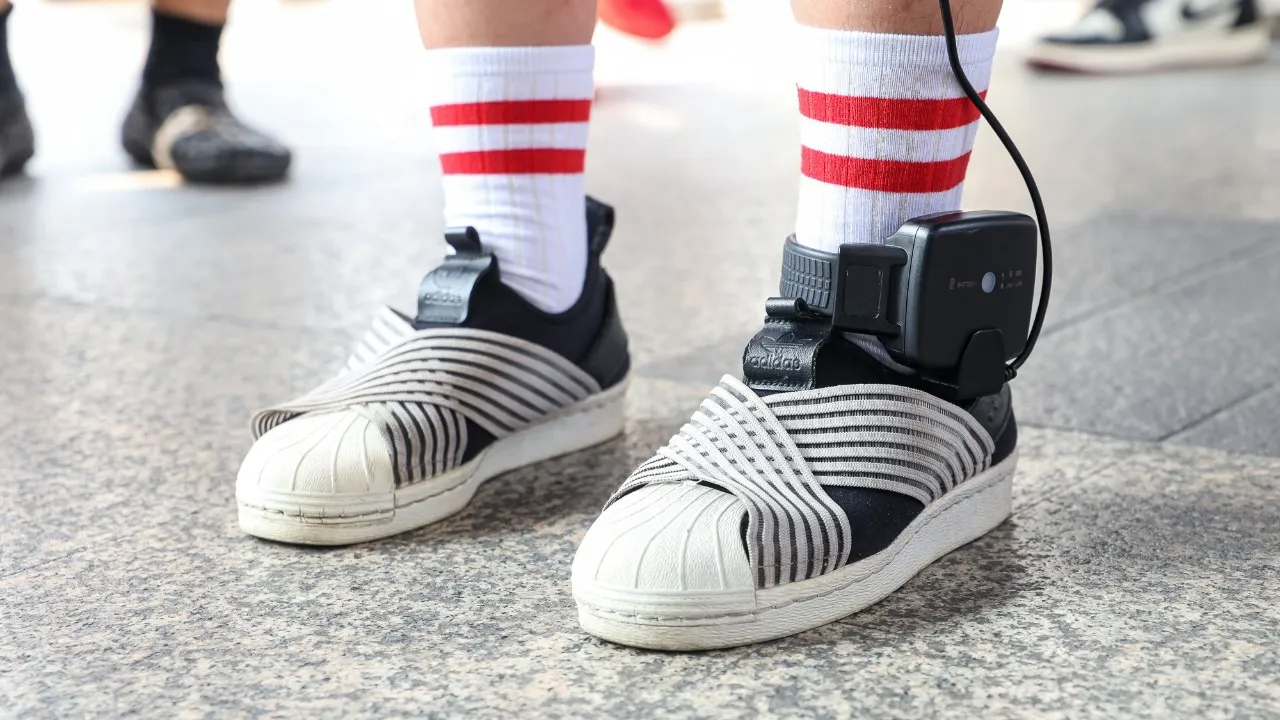
Getting arrested for a crime you did not commit can turn your life upside down. For one Baltimore teenager, the accusation followed him for months, even though there was evidence that raised serious questions about the case.
Deryl Bright Jr. was 17 when Baltimore police accused him of taking part in a violent carjacking. A Black teenager has been arrested despite physical differences from the actual suspect before. Bright’s case also had details that did not seem to add up.
According to Atlanta Black Star, Bright spent seven months on house arrest with an ankle monitor. His case remained open until Baltimore Sun investigative reporter Kati Cimini started asking prosecutors about it. The charges were dropped the next day.
The details only raised more questions
The case began on Jan. 23, shortly after 9 a.m. Three Black teenagers inside a McDonald’s allegedly followed a man to his car to rob him. Two covered their faces with hoodies, while the third left his face visible.
The teens allegedly assaulted the man. One took his phone and wallet and ran, causing the victim to chase him. The other two allegedly tried to steal the car, but fled after the man jumped onto its hood.
Police collected witness statements and surveillance footage. A school official reportedly identified Bright as the teenager whose face was uncovered. Investigators then treated Bright as a suspect despite some noticeable differences.
Police estimated that the teenager in the footage was six inches shorter and heavier than Bright. There was also a much bigger problem with the timeline: Bright was more than half a mile away at Green Street Academy when the crime happened.
He was on his way to his first-period agriculture class. Two school officials later confirmed that Bright was at school at the time. The public charter school also required students to wear uniforms, while none of the three teenagers in the surveillance footage appeared to be wearing one.
Still, police arrested Bright at school about a month later. Officers took him to the station and collected blood and urine samples. Authorities eventually placed him on house arrest and fitted him with an ankle monitor.
Those restrictions affected much more than his ability to leave home. Bright could only go to school, work, and doctor’s appointments. He also said the violent charge prevented him from continuing his job as a pharmacy technician.
A judge refused to let Bright attend his high school prom or a family reunion. He also missed a Florida vacation his mother had planned as a graduation trip.
“I feel isolated,” Bright told Cimini shortly before the charges disappeared. “I feel unfairly punished for a crime I didn’t commit.”
Bright had scored the third-highest SAT score at his school the previous year. He described his daily life as a “repetitive cycle” that made him feel lonely.
“I feel like I’m a victim of prejudice,” he said. “They assume I was somebody I’m not.”
Bright blamed the situation on what he called “pure laziness” by detectives, arguing they should have spent more time investigating. Baltimore police have arrested the wrong person while pursuing a suspect before, and being falsely accused can leave someone fighting simply to have their account taken seriously.
After the charges were dismissed, responsibility became another issue. The state attorney’s office and public defender’s office blamed each other. Baltimore police pointed to unnamed school officials who had identified Bright from the surveillance footage. There is also no indication that police arrested any of the three actual suspects.
Bright’s ankle monitor was removed days after prosecutors dropped the case. Yet one consequence remains. He can have the case expunged from the public record, but only if he agrees not to sue.
His family is now weighing that decision. After losing seven months to restrictions over a crime he maintained he did not commit, clearing his record could come at the cost of giving up his chance to seek legal accountability.
Have a tip we should know? [email protected]
Follow The Mary Sue:
